The squat is a compound movement revered in fitness circles for its comprehensive muscle engagement and functional biomechanics. This article explores the anatomy of the squat and muscles worked during a squat and the biomechanics involved in the movement.
Muscles Worked by the Squat
Primary Movers:
- Quadriceps: The squat predominantly targets the quadriceps, which extend the knee joint.
- Glutes: The gluteus maximus is responsible for hip extension and is heavily worked during squats.
- Hamstrings: While they play a secondary role to the quadriceps, the hamstrings are involved in hip extension and stabilization.
- Adductors: The muscles of the inner thigh assist during the squat by helping to stabilize the legs.
Stabilizers:
- Core Muscles: The rectus abdominis, obliques, and deeper core muscles stabilize the torso.
- Erector Spinae: These muscles run along your spine and keep you upright during the squat.
- Hip Flexors: These are engaged to stabilize the pelvis during the movement.
Secondary Movers:
- Calves: The gastrocnemius and soleus, which make up the calf muscles, help stabilize the ankle joint during a squat.
Biomechanics of the Squat
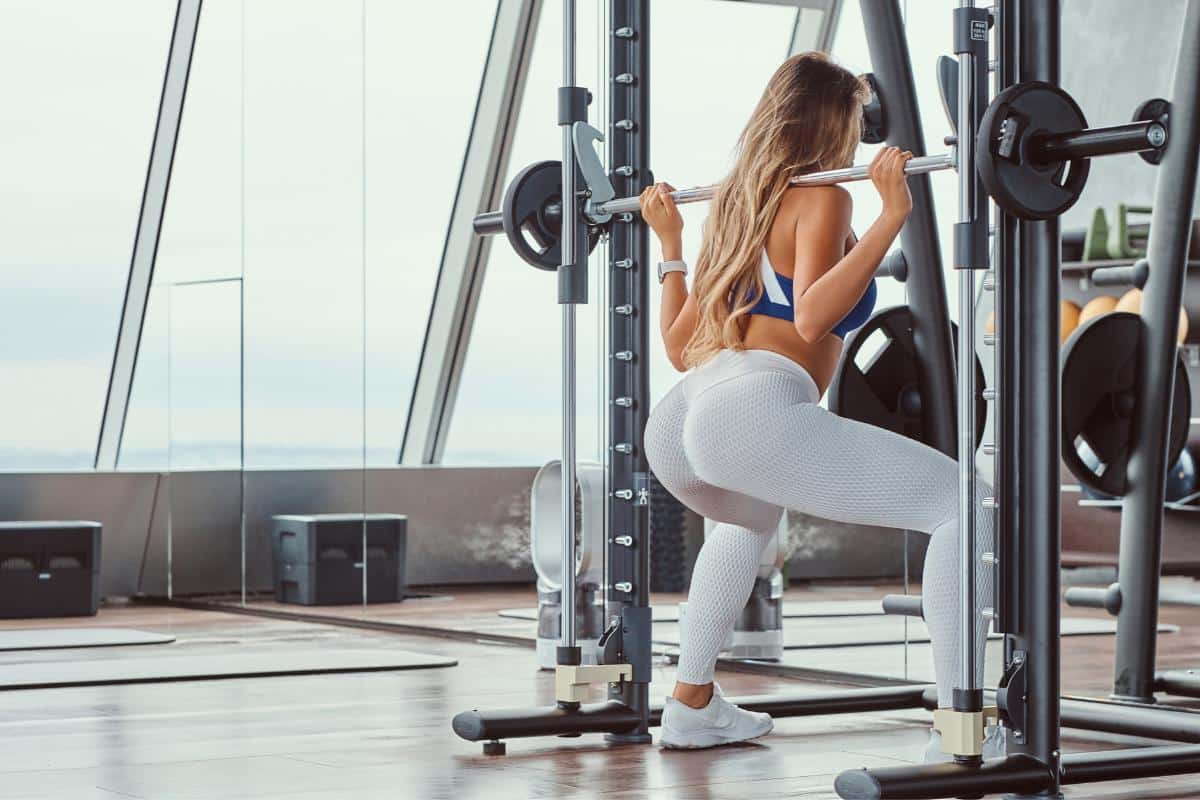
A squat involves a coordinated movement that begins from a standing position, descending by bending the knees and hips while keeping the chest upright, and then returning to the starting position. The biomechanics of a squat include:
Joint Action:
- Hip and knee flexion during the descent.
- Hip and knee extension during the ascent.
Spine Position:
- Maintaining a neutral spine is crucial for effective force transfer and injury prevention.
Knee Tracking:
- Knees should stay in line with the toes to avoid undue stress on the joint.
Hip Movement:
- Proper squat technique involves a ‘hip hinge,’ which engages the glutes and hamstrings effectively.
Ankle Flexion:
- Ankle dorsiflexion allows for proper depth and stability in the squat.
Incorporating Squats into Your Routine
To maximize the benefits of the squat, proper form is essential. Here are some tips to incorporate squats into your muscle-building routine:
Warm-Up: Always begin with a dynamic warm-up to prepare your muscles and joints for the movement.
Start with Bodyweight: Master the form with bodyweight squats before adding resistance.
Progress Slowly: Gradually increase the weight as your form and strength improve.
Maintain Form: Keep the weight on your heels, chest up, and core tight throughout the movement.
Depth: Aim to lower until your thighs are at least parallel to the floor, deeper if mobility allows.
Rest and Recovery: Allow adequate rest between squat sessions to let your muscles recover and grow.
Conclusion
The squat is a foundational exercise in muscle building, targeting a broad spectrum of muscles and requiring a complex series of biomechanical movements. Understanding the anatomy and biomechanics of the squat can help you execute this powerful exercise safely and effectively, leading to significant strength and muscle gains. Whether you’re a beginner or an experienced lifter, the squat is an indispensable part of a balanced and effective strength-training program.
🌿 Natural Daily Support for Men and Women
I like Divine Bounty supplements because they use natural ingredients instead of synthetic formulas. For people who want a cleaner option for everyday wellness support, Divine Bounty offers quality supplements designed to fit a healthy lifestyle.
Their lineup includes the popular Men’s Multivitamin, plus other supplements for men and women such as Vitamin B Complex, Digestive Enzymes, Berberine, Magnesium Citrate, Vitamin K2 + D3, and Acetyl L-Carnitine.
The Men’s Multivitamin features 24 essential vitamins and minerals plus 5 additional blends for men, all in convenient vegetarian capsules. It is also promoted as GMO free, soy free, dairy free, wheat free, and gluten free.
🛒 Shop Divine Bounty on AmazonSponsored by Terry Clark • Amazon Affiliate Partner