
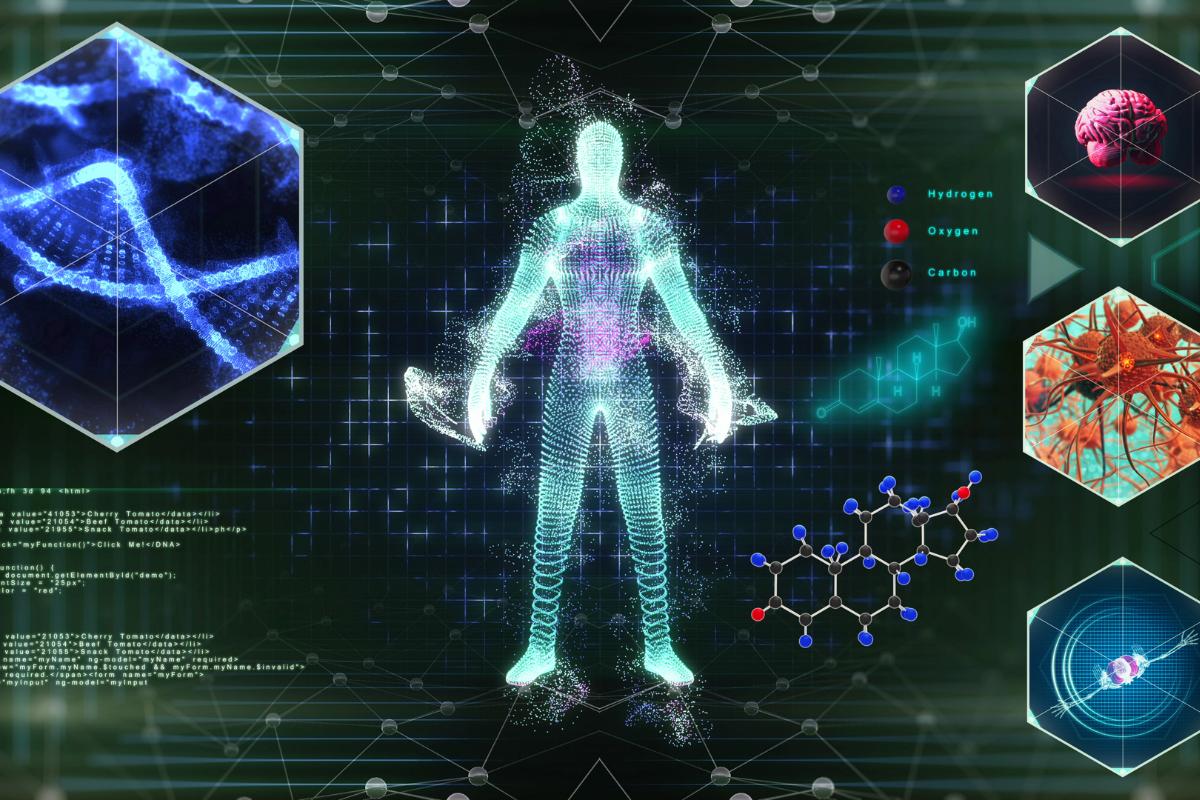
In today’s technologically advanced world, innovative and precise techniques have surpassed traditional methods of measuring and assessing the human body. Among these cutting-edge methods, 3D body scanning has emerged as a transformative technology that offers a new dimension of understanding and capturing the human form. From fashion and healthcare to fitness and entertainment, 3D scanning has found numerous applications, revolutionizing how we interact with ourselves and the world around us.
What is a 3D Body Scan?
A 3D scan is a non-invasive process that captures a detailed three-dimensional representation of a person’s body shape and size. It involves specialized equipment and software to generate a digital 3D model of an individual, preserving their unique anatomical characteristics. Unlike traditional measurements, which typically rely on tape measures and two-dimensional data, it provides a comprehensive and realistic view of the body.
How does 3D Body Scanning Work?
The process of 3D body scanning can vary depending on the technology used, but the general principles remain similar across most methods. Here’s an overview of the common steps involved in a typical 3D scanning process:
- Data Acquisition: The individual being scanned stands or sits in a designated area while 3D scanning equipment captures their surface. Various technologies are employed for this purpose, including laser-based scanners, photogrammetry (using multiple cameras to create a 3D model), and structured light scanners.
- Point Cloud Generation: The collected data is converted into a “point cloud,” a collection of points in 3D space representing the surface of the person’s body. These points create a digital outline of the individual’s form.
- Mesh Creation: The point cloud is then processed to form a mesh. The mesh consists of interconnected triangles that create a smooth and continuous 3D surface, accurately representing the scanned person’s body shape.
- Texture Mapping: Texture mapping is often applied to add realism to the 3D model. High-resolution photographs of the person taken during the scanning process are projected onto the mesh, giving the model a lifelike appearance.
- Data Processing and Cleanup: The 3D model may undergo further processing to remove artifacts or imperfections, ensuring a high-quality and accurate representation.
Overview of the Applications and Uses of 3D Body Scanning Technology
The versatility of 3D body scanning technology has led to its adoption across industries and fields. Here are some of the critical applications of 3D scanning:
- Fashion and Apparel Industry: In fashion, 3D scanning enables the creation of personalized and custom-fit clothing. Retailers can offer made-to-measure garments, reducing returns and enhancing customer satisfaction. Virtual try-on solutions allow shoppers to visualize how clothing looks and fits before purchasing.
- Healthcare and Medicine: 3D body scanning is crucial in the medical field, particularly in prosthetics, orthotics, and surgical planning—precise measurements aid in designing customized medical devices that perfectly suit individual patients. Additionally, 3D scans track changes during treatment and recovery processes.
- Fitness and Wellness: Fitness enthusiasts and healthcare professionals use 3D body scans to assess body composition, track fitness progress, and design tailored workout and nutrition plans. These scans provide users with a visual representation of their physical transformations, offering motivation and accountability.
- Entertainment and Virtual Reality: 3D body scanning creates realistic virtual avatars for video games, virtual reality experiences, and animated movies. This technology allows users to immerse themselves in digital environments and interact with lifelike characters.
- Anthropometric Research and Ergonomics: Researchers use 3D scanning to collect data for anthropometric studies, helping design products and environments that accommodate a diverse range of body shapes and sizes.
Conclusion
In conclusion, 3D body scanning has revolutionized how we measure and interact with the human body. Its non-invasive and precise nature has found applications in various industries, enhancing customization, personalization, and user experience. As technology advances, we can expect even more groundbreaking applications and developments in 3D scanning, further shaping how we perceive and understand ourselves and others.
If you or someone you know is looking to improve your health, share this article on Facebook or Twitter so that others can learn more about self-care.
Related Articles
- 3D Body Scan Does it Work, Accuracy vs. Consistency
- MeThreeSixty – Phone App for 3D Body Measurements
- Noom – A Detailed Review of One of the Most Popular Diets
- Tracking Sleep – Try Technology to Improve Your Health and Fitness
- A Comprehensive Guide to the Trap Bar Deadlift
🌿 Natural Daily Support for Men and Women
I like Divine Bounty supplements because they use natural ingredients instead of synthetic formulas. For people who want a cleaner option for everyday wellness support, Divine Bounty offers quality supplements designed to fit a healthy lifestyle.
Their lineup includes the popular Men’s Multivitamin, plus other supplements for men and women such as Vitamin B Complex, Digestive Enzymes, Berberine, Magnesium Citrate, Vitamin K2 + D3, and Acetyl L-Carnitine.
The Men’s Multivitamin features 24 essential vitamins and minerals plus 5 additional blends for men, all in convenient vegetarian capsules. It is also promoted as GMO free, soy free, dairy free, wheat free, and gluten free.
🛒 Shop Divine Bounty on AmazonSponsored by Terry Clark • Amazon Affiliate Partner