Estimated reading time: 7 minutes
Most people don’t fail because they lack effort—they fail because they lack precision. In fitness, results are not random; they are calculated. Knowing your numbers fitness is the difference between guessing and progressing.
If you don’t know your calories, macros, portions, or training volume, you’re not following a plan—you’re hoping for results. And hope is not a strategy.
Let’s break down the exact numbers that drive fat loss and muscle growth so you can stop guessing and start solving.
Why Does Knowing Your Numbers Fitness Improve Results?

4
The body responds to inputs. Calories, protein, training volume—these are variables in an equation.
When knowing your numbers fitness becomes your strategy, you gain control over outcomes:
- Want to lose fat? Create a deficit
- Want to build muscle? Create a surplus
- Want to maintain? Balance intake and output
Without numbers, you can’t adjust. Without adjustment, you don’t progress.
What Are the Right Macro Proportions for Results?
Macros are the foundation of your results.
Fat Loss Example:
- Protein: 30–40%
- Carbs: 30–40%
- Fats: 20–30%
Muscle Gain Example:
- Protein: 25–35%
- Carbs: 40–50%
- Fats: 20–30%
Protein is your anchor.
Math example:
- 180 lb individual
- Target: 0.8–1g protein/lb
- Daily protein: 145–180g
If protein is too low, muscle is lost. If calories are too high, fat is gained.
This is why knowing your numbers fitness matters—you align intake with your goal.
Are You Eating the Correct Serving Sizes?


4
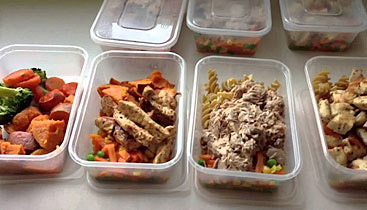
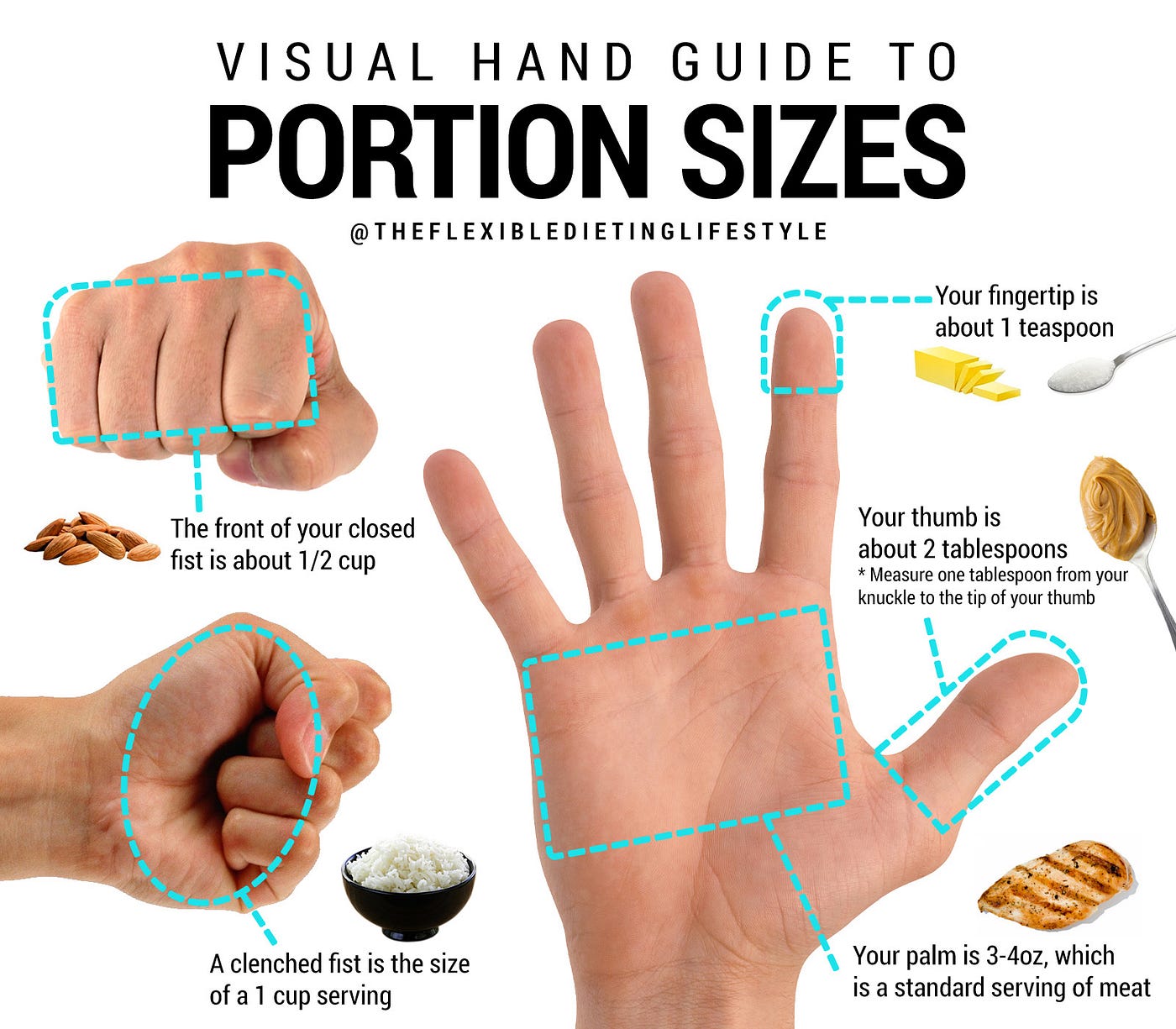
Most people think they’re eating 4 oz of meat—but they’re eating 6–8 oz.
A true 4 oz serving of cooked meat looks like:
- About the size of your palm
- Roughly 25–30g protein
If you eat:
- 8 oz instead of 4 oz → double the calories
- Do that across 3 meals → +300–600 calories
That alone can erase a fat loss deficit.
Precision in portions is a pillar of knowing your numbers fitness.
What Is Your Metabolism and TDEE?
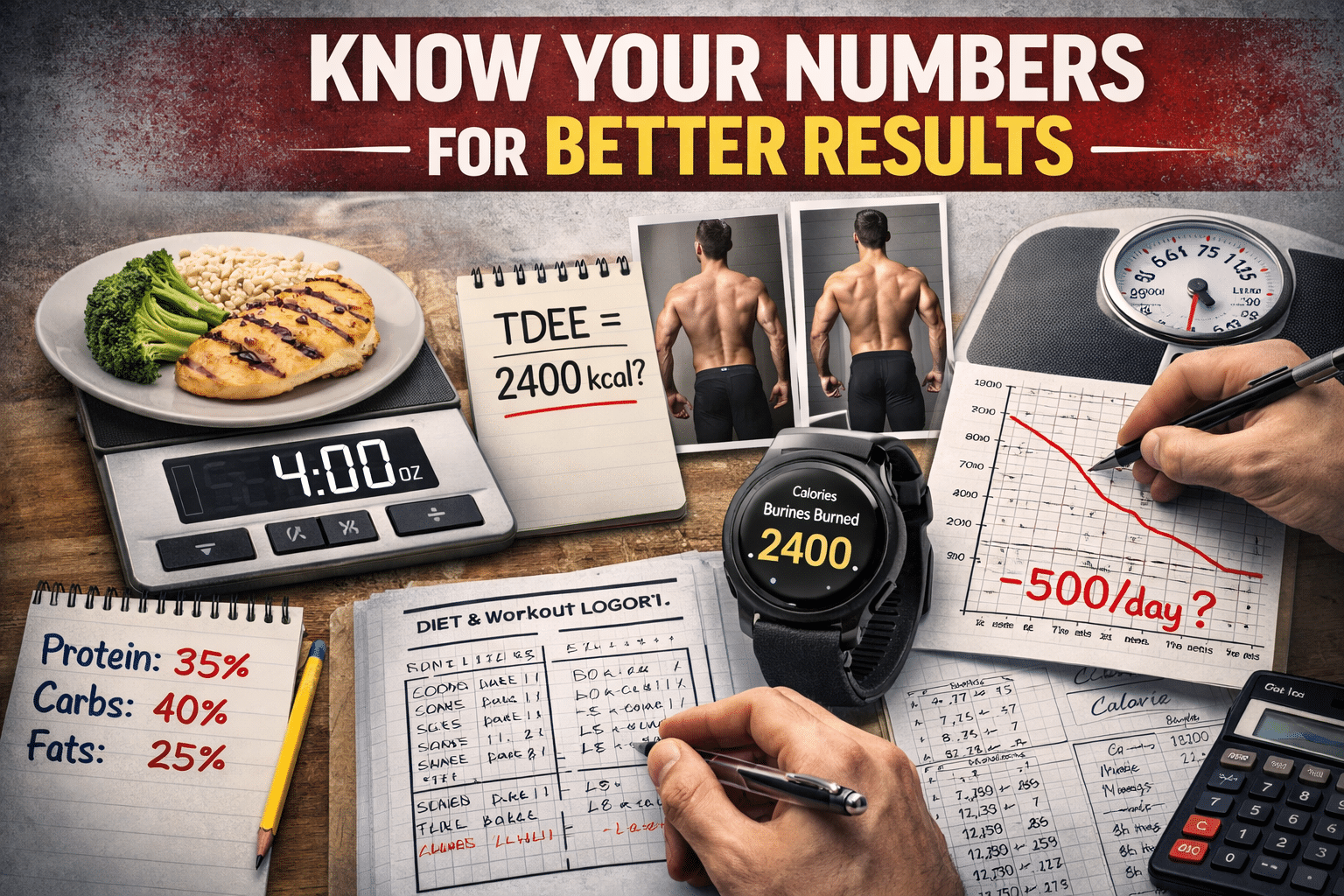
Your Total Daily Energy Expenditure (TDEE) determines your baseline.
Example:
- Body weight: 180 lbs
- Activity level: moderate
- TDEE: ~2,400 calories
From here:
- Fat loss: 1,900–2,100 calories
- Muscle gain: 2,600–2,800 calories
If you don’t know your TDEE, you’re guessing your starting point.
And if the starting point is wrong, every adjustment after that is wrong.
How Many Calories Do You Need to Lose Weight?
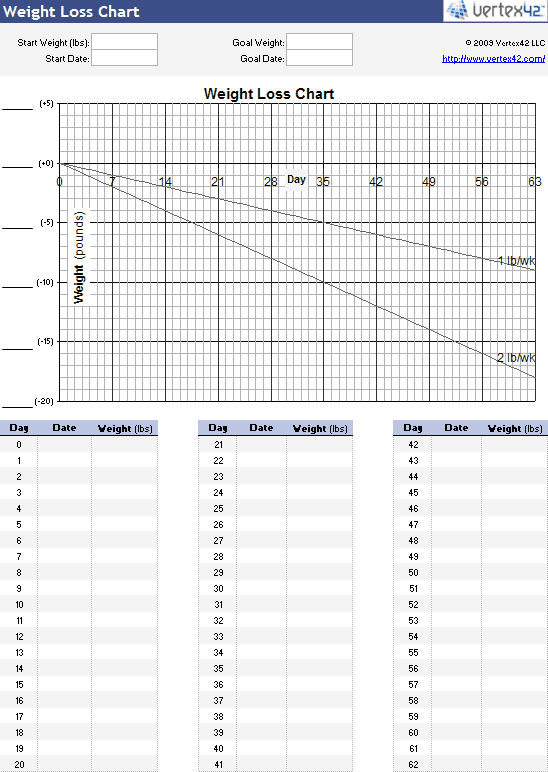
Fat loss requires a calorie deficit.
Standard Formula:
- 500 calorie deficit/day
- = 3,500 calories/week
- ≈ 1 lb fat loss/week
But here’s where most people fail:
They don’t track long enough to see trends.
Timeline matters:
- Weeks 1–2: water fluctuations
- Weeks 3–4: real fat loss appears
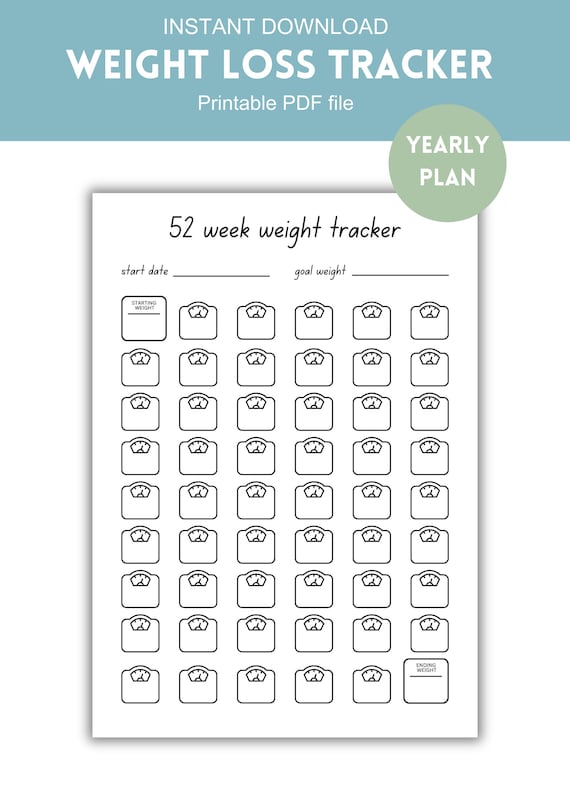
This is where knowing your numbers fitness keeps you consistent instead of quitting early.
How Long Will a Calorie Deficit Work?
4
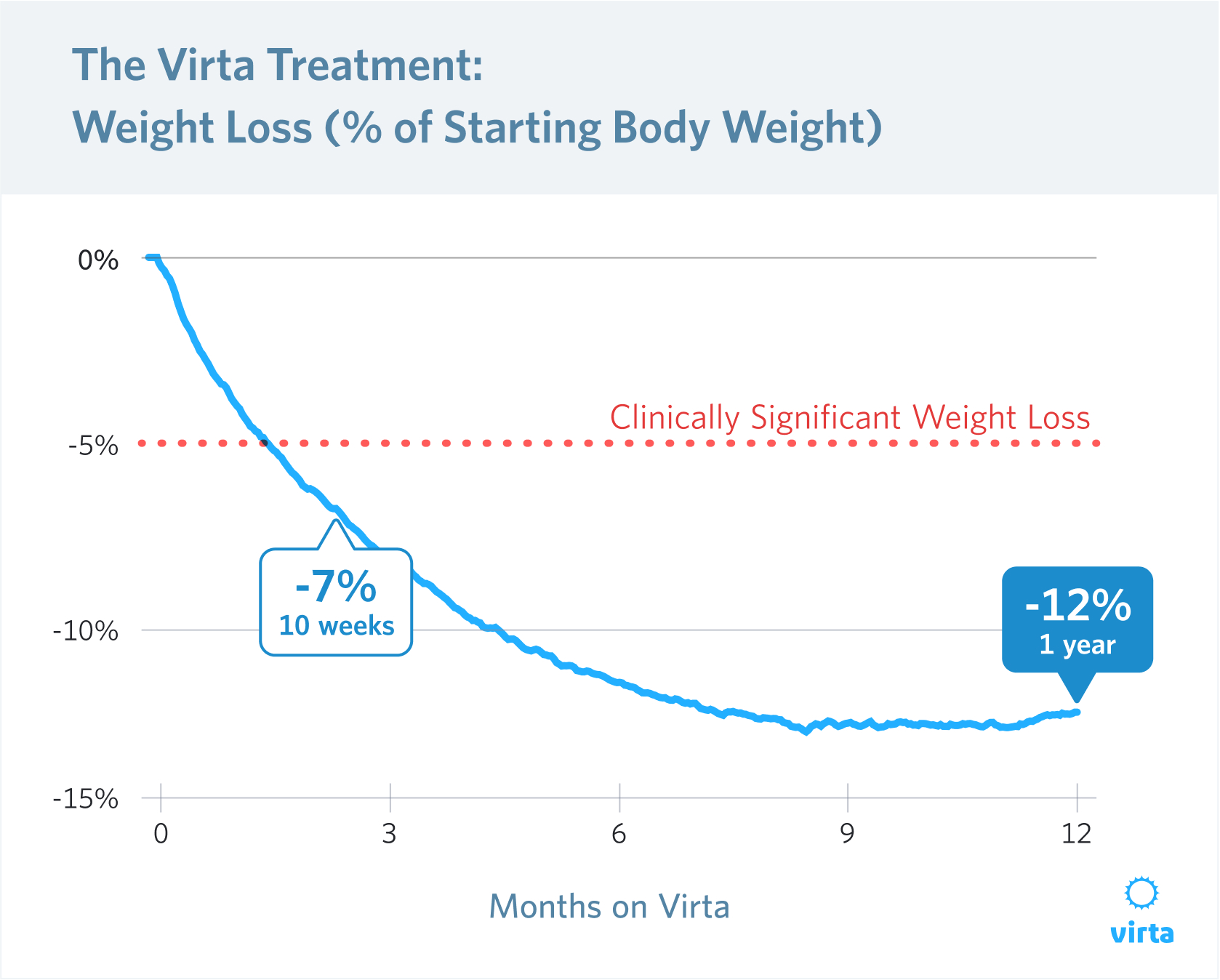
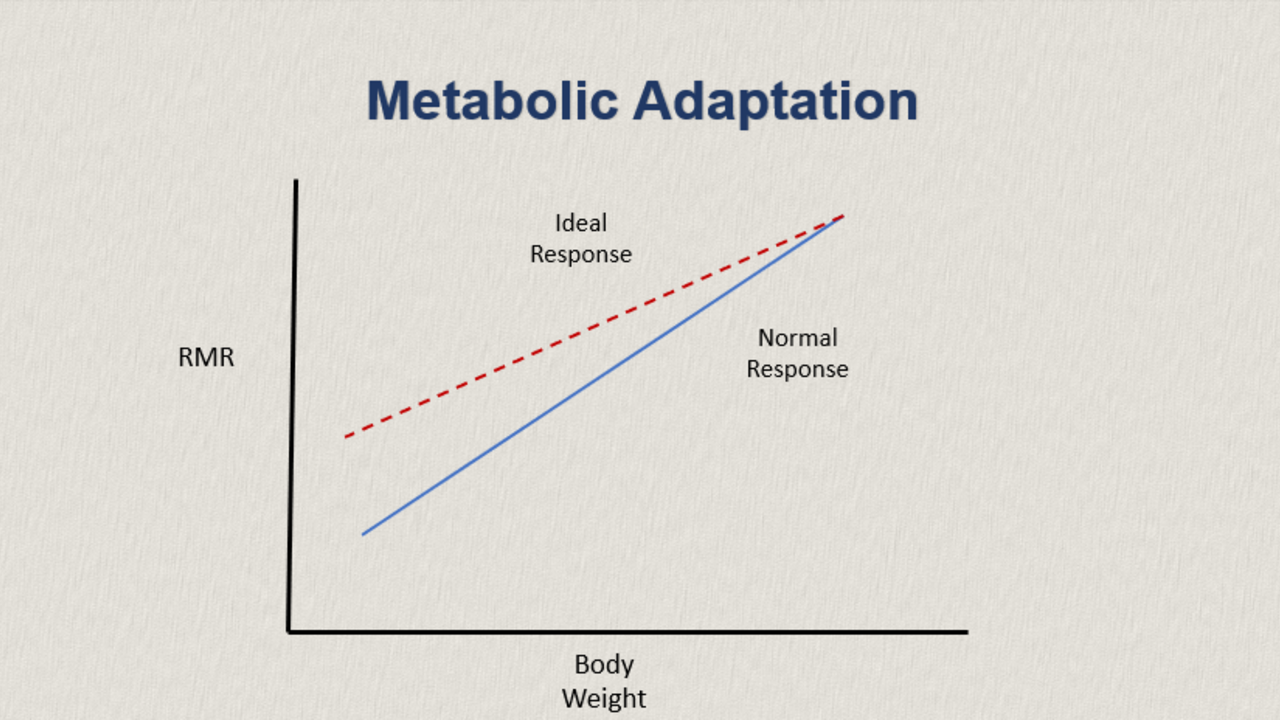
Your body adapts.
A calorie deficit works…until it doesn’t.
Typical timeline:
- 4–8 weeks of steady fat loss
- Then progress slows or stalls
Why?
- Body weight decreases → lower calorie needs
- Metabolism adapts slightly
- NEAT (movement) drops
When Should You Cut Calories Again—and By How Much?
When weight loss stalls for 2–3 weeks:
Adjust:
- Reduce 200–300 calories/day
OR - Increase activity (steps, cardio)
Example:
- Start: 2,000 calories
- Plateau → drop to 1,800 calories
Small adjustments maintain muscle while continuing fat loss.
This is applied math—another reason knowing your numbers fitness drives results.
How Much Training Volume Builds Muscle for You?
Muscle growth is not random—it’s measurable.
General guideline:
- 10–20 sets per muscle group per week
But the real answer is individual.
You must track:
- Strength increases
- Muscle pump
- Recovery
- Performance
If strength is going up → volume is working
If you’re constantly sore and weaker → too much volume
Your optimal volume is discovered through data, not guesswork.
How Do You Know If Your Plan Is Working?


4
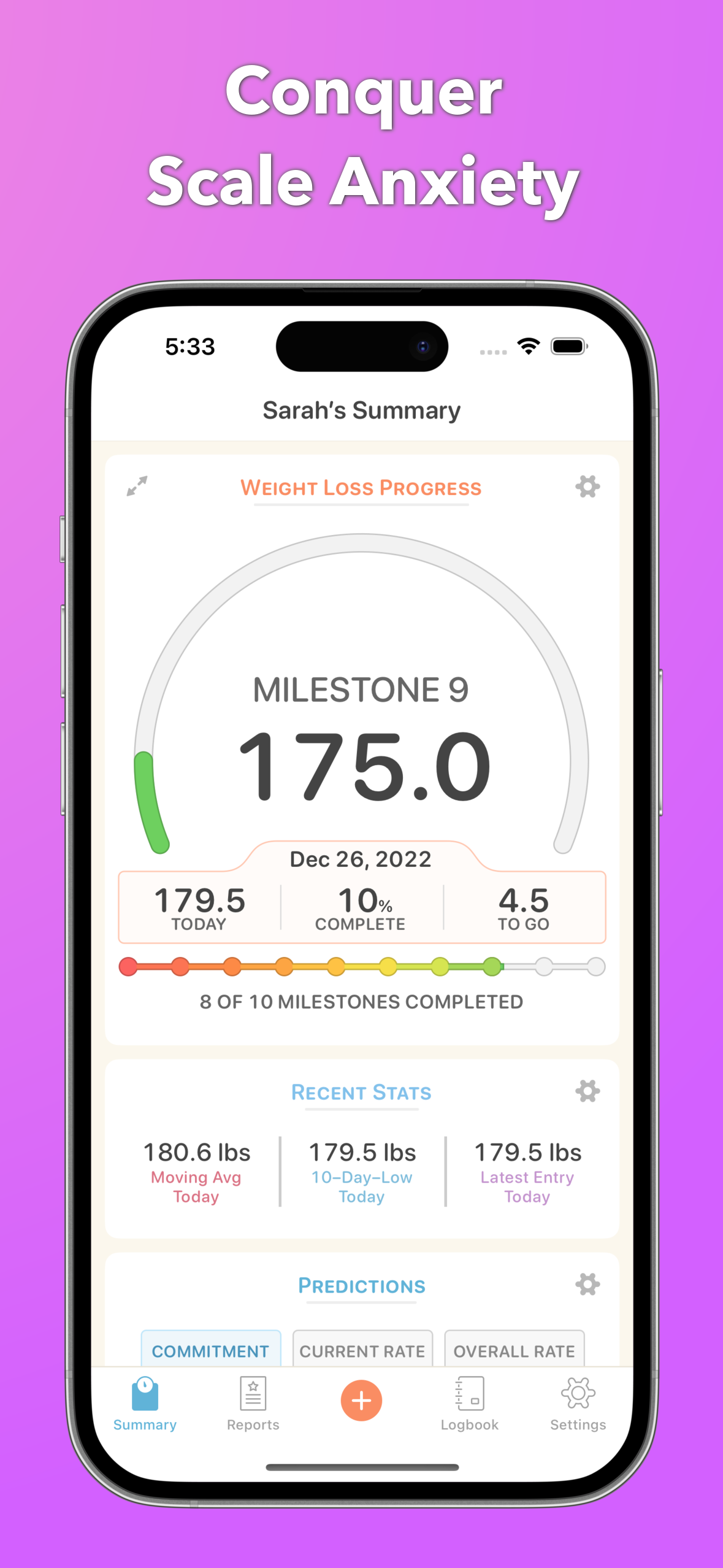
Track these weekly:
- Body weight (average, not daily spikes)
- Measurements (waist, chest, arms)
- Strength in key lifts
- Progress photos
If numbers are improving, your plan is working.
If not, adjust inputs.
That’s the system behind knowing your numbers fitness.
Key Takeaways
- Results come from measurable inputs, not motivation
- Macro proportions guide body composition changes
- Portion sizes (like 4 oz protein) must be accurate
- TDEE sets your starting point for fat loss or muscle gain
- Calorie deficits work for 4–8 weeks before adjustment
- Small calorie changes (200–300) restart progress
- Training volume must be tracked and adjusted
Affiliate Recommendations
📊 Know Your Numbers Toolkit
Dial in your fitness math for faster results:
- ⚖️ Digital Food Scale – Measure Accurate Portions Every Time
- 📓 Workout Log Book – Track Sets, Reps, and Progress
- ⌚ Fitness Tracker Watch – Monitor Calories and Activity
“What gets measured gets improved.”
External Resources
- https://www.ncbi.nlm.nih.gov/pmc/articles/PMC6019055/
- https://www.acefitness.org/resources/pros/expert-articles/6434/5-things-to-know-about-metabolic-equivalents/
Read Next…
🌿 Natural Daily Support for Men and Women
I like Divine Bounty supplements because they use natural ingredients instead of synthetic formulas. For people who want a cleaner option for everyday wellness support, Divine Bounty offers quality supplements designed to fit a healthy lifestyle.
Their lineup includes the popular Men’s Multivitamin, plus other supplements for men and women such as Vitamin B Complex, Digestive Enzymes, Berberine, Magnesium Citrate, Vitamin K2 + D3, and Acetyl L-Carnitine.
The Men’s Multivitamin features 24 essential vitamins and minerals plus 5 additional blends for men, all in convenient vegetarian capsules. It is also promoted as GMO free, soy free, dairy free, wheat free, and gluten free.
🛒 Shop Divine Bounty on AmazonSponsored by Terry Clark • Amazon Affiliate Partner