Estimated reading time: 7 minutes
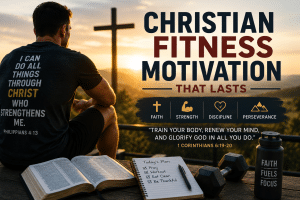
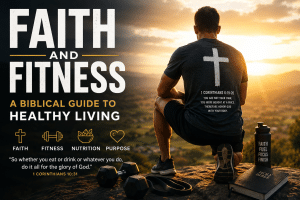
Many Christian adults who care deeply about discipleship still feel stuck in a frustrating faith and fitness balance. One important question is how to Align Faith and Fitness so that spiritual and physical well-being challenges do not lead to guilt for prioritizing workouts, inconsistency that makes the body feel like an afterthought, or a sense that health goals don’t “count” unless they look overtly spiritual. When faith stays in one compartment and fitness in another, motivation tends to collapse under pressure and routines don’t last. A steadier approach comes from integrated faith fitness journey thinking that treats the body and soul as connected and renews holistic wellness motivation.
Understanding Faith-Based Wellness Principles
Faith and fitness align best when you start with a framework, not a flawless routine. Think of faith-based wellness as caring for spiritual life and physical health together, because your habits, thoughts, and worship shape each other. This approach uses research-informed wisdom and biblical priorities to build harmony in body and soul.
This matters because it removes the tug-of-war between “being disciplined” and “being devoted.” Instead of chasing results to feel worthy, you can train from a grounded identity and make choices that last through busy weeks.
Picture a believer deciding whether to rest or push harder. With an ordering of affections, health stays important but not ultimate, so rest becomes faithful, not lazy. With that foundation, practical tools like devotional workouts and Sabbath recovery fit naturally into everyday life.
Try 10 Research-Backed Practices to Look and Feel Better
When faith-based wellness is your framework, small choices start to line up, body, mind, and spirit moving in the same direction. Try a handful of these practices for two weeks, then keep what actually helps you feel stronger, steadier, and more joyful.
- Start a 10-minute devotional workout: Pair movement with a short Scripture focus so exercise becomes worship, not willpower. Choose one verse, then do a simple circuit like 10 squats, 10 wall pushups, 30-second plank, and a 1-minute walk, repeat 2–3 times. Finish with a one-sentence prayer that matches your effort, such as “Lord, train me for endurance.”
- Use a “breath-prayer walk” for stress and cardio: Walk at a conversational pace for 15–20 minutes and match prayer to your breathing, inhale “Jesus,” exhale “give me peace,” or inhale “Father,” exhale “I trust You.” This is a practical mental and spiritual health strategy because it combines gentle aerobic work with attention training, which can calm rumination and lower tension. If you’re new to walking, start with 10 minutes and add 2 minutes every few days.
- Build beginner-friendly plates with a simple template: At most meals, aim for half a plate of colorful produce, a palm-size protein, and a fist-size high-fiber carb, plus a thumb-size healthy fat. This keeps healthy eating for beginners realistic while supporting energy for workouts and steady mood. Make it concrete: rotisserie chicken, bagged salad, and microwavable brown rice is a solid “weekday discipleship” meal.
- Plan two “anchor meals” and repeat them: Pick two breakfasts and two dinners you can make on autopilot, then rotate them all week. Repetition reduces decision fatigue and makes it easier to live out your priorities without constant tracking. Example: breakfast options could be eggs + fruit or Greek yogurt + nuts; dinner options could be chili or sheet-pan chicken + vegetables.
- Practice faith-centered self-care with a three-part check-in: Once daily, ask: “What does my body need, what does my mind need, and what does my spirit need?” Many people of faith see spirituality as part of mental health, 60% agree faith or spirituality is an important factor in supporting their mental wellness. Keep answers small and doable: water and sunlight, a five-minute tidy, and a Psalm before bed.
- Try “Sabbath recovery” as a weekly training tool: Choose one day or half-day where you deliberately downshift: light walking, gentle stretching, naps if needed, and unhurried time with God and people you love. Recovery isn’t laziness; it’s how your body adapts to exercise and how your soul stays tender instead of driven. If a full day feels impossible, start with a 2-hour “no hustle” block.
- Stack habits so consistency becomes automatic: Attach a wellness action to something you already do daily, after brushing teeth, do 8 minutes of mobility; after morning prayer, prep a protein; after lunch, take a 10-minute walk. Habit stacking honors the principle of “small faithfulness” and lowers the barrier to starting. Over time, these cues create a rhythm that carries you even when motivation dips.
Daily Rhythms for Faith-Fitness Alignment
Habits turn good intentions into a steady pathway, especially when your spiritual life and training life share the same cues. Use these practices to build sustainable wellness routines that grow joy over time, not just short bursts of motivation.
Verse-First Training Cue
- What it is: Read one verse, then start your first set within 60 seconds.
- How often: Every workout day.
- Why it helps: It links discipline to devotion, not shame.
Three-Month Consistency Calendar
- What it is: Track each completed habit for 12 weeks on a simple calendar.
- How often: Daily checkmark.
- Why it helps: Habit strength increases with consistent practice over time.
Weekly Wellness Score Review
- What it is: Use a weekly wellness score to rate body, mind, and spirit.
- How often: Once weekly.
- Why it helps: It spots burnout early so you can adjust training and rest.
Protein-and-Produce Prep
- What it is: Wash produce and cook one protein for grab-and-go meals.
- How often: Twice weekly.
- Why it helps: It lowers friction when life gets busy.
Sunday Plan, Monday Walk
- What it is: Choose workout days Sunday, then take a 15-minute walk Monday.
- How often: Weekly.
- Why it helps: A small start builds momentum and protects your schedule.
Common Faith-and-Fitness Questions
Q: What are some effective daily habits to enhance my overall well-being and boost motivation?
A: Pick your top barrier first: time, energy, or mindset, then choose one tiny habit you can repeat daily. Tie it to an existing cue like after coffee or after prayer, and keep it short enough to win on busy days. Progress follows consistency, not intensity.
Q: How can I integrate my faith into my fitness routine to maintain consistency and purpose?
A: Begin with a brief Scripture or prayer that frames training as stewardship, not self-punishment. Scheduling helps your “why” survive real life, so set a date and time for workouts like you would for worship or appointments. If you miss a day, return with grace, not guilt.
Q: What practical self-care strategies can help me manage stress and avoid feeling overwhelmed?
A: Use a quick daily check-in: body (sleep and soreness), mind (stress level), spirit (connection with God). Then make one adjustment: shorten the workout, take a walk, or choose earlier bedtime over extra scrolling. Self-care is not selfish when it protects your calling.
Q: How can starting a new hobby contribute to my mental and physical health?
A: A hobby adds playful movement and reduces pressure, which often restores motivation for structured workouts. Choose something simple and social, like hiking, dancing, or gardening, and set a low weekly goal. Let enjoyment be part of your wellness plan.
Q: How can I align my personal support systems to stay motivated and balanced while pursuing both my faith and fitness goals?
A: Identify one person for encouragement, one for accountability, and one for practical help like childcare swaps or meal support. If you’re also juggling classes or career training, the same principles behind support for nontraditional students apply: coordinate your school, work, and home supports so you’re not relying on willpower alone. Share a specific plan, your preferred check-in day, and the one way you want them to respond when you struggle.
Choose One Faith Practice and One Workout Habit This Week
When schedules are packed and energy runs low, faith and fitness can feel like competing priorities instead of partners. The steadier path is a simple, grace-filled approach: align identity and purpose with small, repeatable habits that support integrated spiritual health and physical strength. Over time, applying faith fitness strategies builds motivation for lasting well-being and keeps long-term faith fitness goals from being crowded out by life’s pressure. Consistency with purpose beats intensity without direction. Choose one spiritual practice and one training habit for the next 7 days, track one daily win, and use tools available to rotate PDF files if your printed plan shows up sideways. This is how a holistic wellness journey becomes stable, resilient, and joyful in everyday life.
Read Next
- Stay Motivated with Faith Over Feelings
- Faith and Fitness: The Results Will Surprise You
- Daily Steps for Faith and Fitness
- Why Rest Matters: Build Strength with a Faith-Based Recovery Plan
- The Power of Movement: A Guide to Exercise & Wellness
🌿 Natural Daily Support for Men and Women
I like Divine Bounty supplements because they use natural ingredients instead of synthetic formulas. For people who want a cleaner option for everyday wellness support, Divine Bounty offers quality supplements designed to fit a healthy lifestyle.
Their lineup includes the popular Men’s Multivitamin, plus other supplements for men and women such as Vitamin B Complex, Digestive Enzymes, Berberine, Magnesium Citrate, Vitamin K2 + D3, and Acetyl L-Carnitine.
The Men’s Multivitamin features 24 essential vitamins and minerals plus 5 additional blends for men, all in convenient vegetarian capsules. It is also promoted as GMO free, soy free, dairy free, wheat free, and gluten free.
🛒 Shop Divine Bounty on AmazonSponsored by Terry Clark • Amazon Affiliate Partner