Estimated reading time: 6 minutes
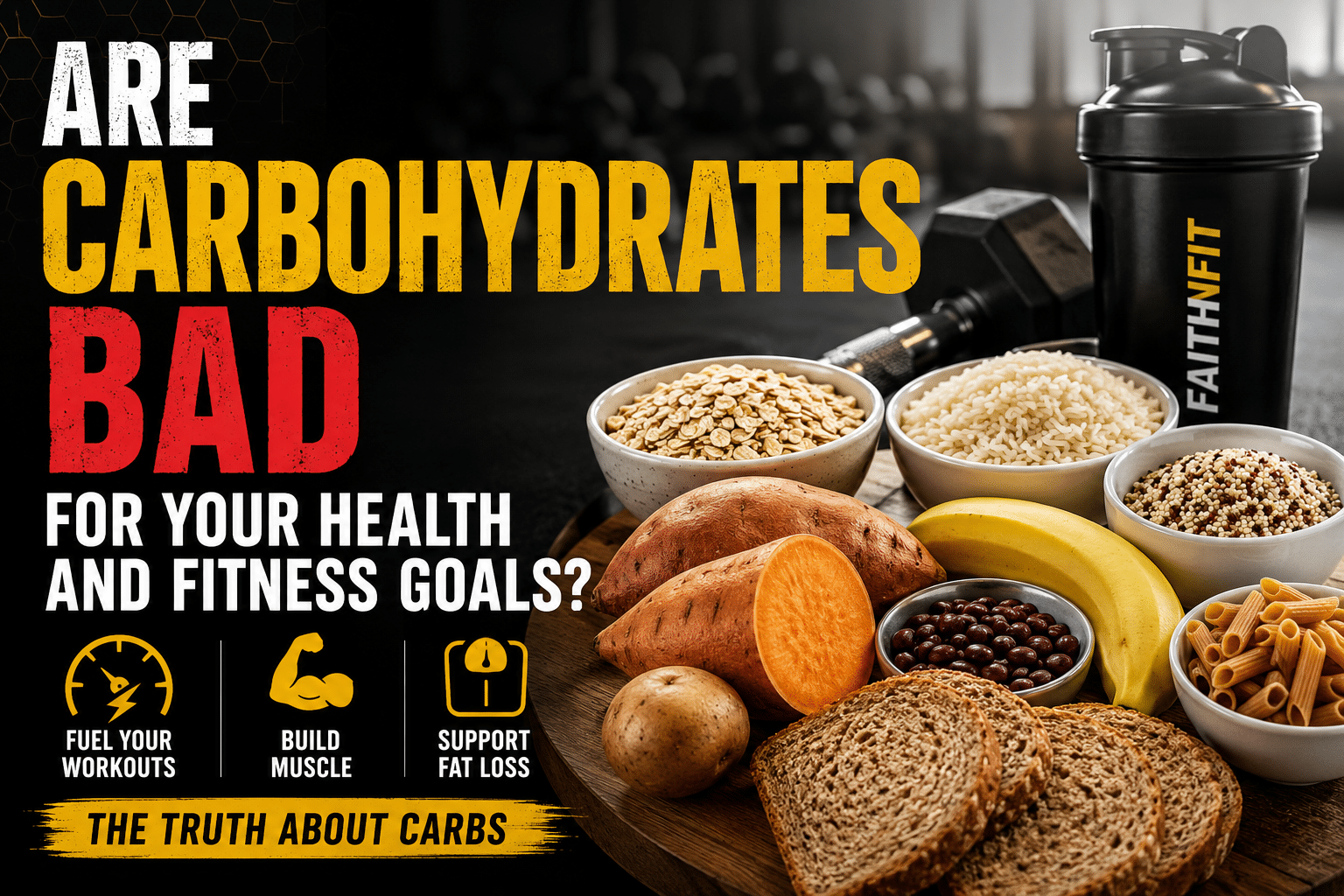
For years, carbohydrates have been treated like the villain of the fitness world. Low-carb diets exploded in popularity because many people lost weight quickly by cutting bread, pasta, rice, and sugar. But does that mean carbohydrates are bad for your health and fitness goals? The answer is more complicated than a simple yes or no.
Carbohydrates are not automatically fattening, unhealthy, or harmful. In fact, your body depends on carbohydrates for energy, exercise performance, recovery, brain function, and muscle growth. The real issue is not whether carbohydrates are bad, but rather how many carbohydrates you eat, what type of carbohydrates you consume, and how they fit into your calorie balance.
If your goal is fat loss, muscle growth, athletic performance, or overall health, understanding carbohydrates mathematically can completely change your results.
What Are Carbohydrates and Why Does the Body Need Them?
Carbohydrates are one of the three major macronutrients alongside protein and fat. Every gram of carbohydrates contains 4 calories. Your body converts carbohydrates into glucose, which fuels your muscles, brain, and nervous system.
There are three main types of carbohydrates:
- Simple carbohydrates
- Complex carbohydrates
- Fiber
Simple carbohydrates digest quickly and provide rapid energy. Complex carbohydrates digest more slowly and provide sustained energy. Fiber supports digestion, satiety, and blood sugar control.
When people ask, “are carbohydrates bad,” they usually think about processed foods like candy, soda, pastries, and chips. Those foods can absolutely contribute to weight gain when overeaten. However, healthy carbohydrate sources like oats, potatoes, rice, fruit, vegetables, and beans support fitness and recovery.
The math matters.
If you eat 3,000 calories daily but only burn 2,200 calories, the extra 800 calories create weight gain regardless of whether they come from carbs, protein, or fat.
Are Carbohydrates Bad for Fat Loss?
Carbohydrates are not the direct cause of fat gain. A calorie surplus is the cause of fat gain.
Fat loss happens when your body burns more calories than it consumes. This is called a calorie deficit.
Fat Loss=Calories Burned−Calories Consumed
Many low-carb diets work because removing carbohydrates often reduces total calorie intake. Bread, desserts, sugary drinks, and snack foods are calorie dense and easy to overeat. Eliminating them naturally lowers calories.
However, studies consistently show that when calories and protein are equal, fat loss is similar between low-carb and moderate-carb diets.
Carbohydrates can actually help fat loss because they:
- Improve workout performance
- Support higher training intensity
- Help preserve muscle mass
- Reduce cravings
- Improve recovery
- Increase exercise output
A person eating balanced carbohydrates may burn more calories through training and daily movement than someone with chronically low glycogen levels.
The problem is not carbohydrates themselves. The problem is highly processed foods combined with inactivity and excess calories.
Why Do Bodybuilders and Athletes Eat So Many Carbohydrates?
If carbohydrates were truly bad, elite athletes and bodybuilders would avoid them. Instead, many high-level athletes intentionally consume large amounts of carbohydrates because carbohydrates fuel performance.
Your muscles store carbohydrates as glycogen. During intense exercise, glycogen becomes the preferred energy source.
Low glycogen levels often cause:
- Fatigue
- Poor workouts
- Weak pumps
- Lower strength
- Reduced endurance
- Slower recovery
Muscle growth depends heavily on training intensity and progressive overload. Carbohydrates support both.
Muscle Growth=Training Volume+Recovery+Calorie Surplus
When glycogen stores are full, you can often train harder, lift heavier, and recover faster.
That is why many bodybuilders eat carbohydrates before and after workouts. Carbohydrates help replenish glycogen and improve performance over time.
Are Carbohydrates Bad for Blood Sugar and Health?
Not all carbohydrates affect the body the same way.
Processed carbohydrates with little fiber digest rapidly and can spike blood sugar. Examples include:
- Candy
- Soda
- White pastries
- Sugary cereals
- Processed snack foods
Meanwhile, fiber-rich carbohydrates digest slower and provide more stable energy. Examples include:
- Oats
- Sweet potatoes
- Brown rice
- Beans
- Fruits
- Vegetables
- Quinoa
Whole-food carbohydrates also provide vitamins, minerals, antioxidants, and fiber that support long-term health.
The issue is quality.
A donut and a baked potato are both carbohydrates, but they affect hunger, satiety, energy, and nutrition very differently.
Can Low-Carb Diets Still Work?
Yes. Some people feel better eating fewer carbohydrates.
Low-carb diets may help:
- Appetite control
- Blood sugar management
- Rapid initial water loss
- Simpler meal planning
Some individuals naturally eat fewer calories when reducing carbs. Others enjoy stable energy and fewer cravings.
However, very low-carb diets can reduce performance during high-intensity training for some people. This is especially true in bodybuilding, CrossFit, sprinting, and high-volume resistance training.
The best diet is the one you can sustain consistently while supporting your goals.
How Many Carbohydrates Should You Eat?
Carbohydrate needs depend on your:
- Activity level
- Muscle mass
- Training intensity
- Goal
- Recovery demands
Here is a general framework:
Fat Loss
- Moderate carbohydrates
- Higher protein
- Calorie deficit
Muscle Growth
- Moderate to high carbohydrates
- Calorie surplus
- High training volume
Endurance Sports
- Higher carbohydrates
- Glycogen replenishment
- Increased recovery focus
Sedentary Lifestyle
- Lower carbohydrate needs
- More emphasis on whole foods and fiber
A physically active person may perform extremely well on carbohydrates, while a sedentary individual eating processed foods all day may experience poor health outcomes.
What Happens When You Completely Eliminate Carbohydrates?
Cutting carbohydrates entirely can create several problems for some individuals:
- Lower gym performance
- Reduced workout intensity
- Increased fatigue
- Mood changes
- Poor recovery
- Reduced muscle fullness
- Lower fiber intake
Some people adapt well to ketogenic diets, but many recreational lifters notice decreased energy during intense training.
The body can survive without dietary carbohydrates because it can produce glucose through gluconeogenesis. However, survival and optimal performance are not the same thing.
For many athletes, moderate carbohydrate intake improves results.
Are Carbohydrates Bad or Just Misunderstood?
Carbohydrates became demonized because processed food consumption skyrocketed while physical activity declined. Excess calories combined with inactivity created obesity problems, not carbohydrates alone.
Carbohydrates are tools.
Used correctly, they can:
- Improve muscle growth
- Support fat loss
- Increase training intensity
- Improve recovery
- Enhance athletic performance
Used poorly through overeating processed foods, they can contribute to:
- Weight gain
- Energy crashes
- Blood sugar problems
- Increased hunger
The key is controlling portions, prioritizing whole foods, and matching carbohydrate intake to activity levels.
What Are the Best Carbohydrates for Fitness Goals?
The best carbohydrate sources are nutrient dense, filling, and minimally processed.
Top carbohydrate choices include:
- Oats
- Rice
- Potatoes
- Sweet potatoes
- Fruit
- Vegetables
- Beans
- Whole grains
- Quinoa
These foods provide fiber, vitamins, minerals, and sustainable energy.
Highly processed foods can still fit occasionally, but they should not dominate your diet.
Key Takeaways on Are Carbohydrates Bad
Carbohydrates are not inherently bad for your health or fitness goals. The real issue is calorie balance, food quality, and lifestyle habits.
If your goal is fat loss:
- Maintain a calorie deficit
- Prioritize protein
- Use carbohydrates strategically
If your goal is muscle growth:
- Use carbohydrates to fuel training and recovery
- Support glycogen replenishment
- Maintain a calorie surplus
If your goal is overall health:
- Focus on whole-food carbohydrate sources
- Increase fiber intake
- Stay physically active
Carbohydrates can either support or sabotage your goals depending on how you use them. Like training itself, success comes from balance, consistency, and understanding the numbers behind results.
Affiliate Fitness Promotions
🔥 Recommended Fitness Essentials
Support your muscle growth, fat loss, and training performance with these fitness tools and supplements:
“Your body performs best when nutrition and training work together.”
Suggested Internal Links
- Carbohydrates – The Top 3 Ways It Affects Your Body
- Nutrition for Muscle Growth: What to Eat and When
- 3-Step Guide: A Simple But Effective Way to Lose Weight Fast
- The Beginner’s Guide to Building Muscle with the Food Groups
- Weight Loss: 5 Diet Tips for a Better Workout Session
🌿 Natural Daily Support for Men and Women
I like Divine Bounty supplements because they use natural ingredients instead of synthetic formulas. For people who want a cleaner option for everyday wellness support, Divine Bounty offers quality supplements designed to fit a healthy lifestyle.
Their lineup includes the popular Men’s Multivitamin, plus other supplements for men and women such as Vitamin B Complex, Digestive Enzymes, Berberine, Magnesium Citrate, Vitamin K2 + D3, and Acetyl L-Carnitine.
The Men’s Multivitamin features 24 essential vitamins and minerals plus 5 additional blends for men, all in convenient vegetarian capsules. It is also promoted as GMO free, soy free, dairy free, wheat free, and gluten free.
🛒 Shop Divine Bounty on AmazonSponsored by Terry Clark • Amazon Affiliate Partner