To build muscle, you need to understand the balance between gaining fat or muscle:
- Calorie surplus (~250–500/day)
- Strength training with progressive overload
- Adequate protein intake (0.8–1g/lb of body weight)
- Rest and recovery
To gain fat, you typically:
- Overshoot your calorie surplus
- Eat high-calorie foods without training
- Have inconsistent protein intake or training effort
📏 How to Measure Fat or Muscle Gain
1. The Mirror Test
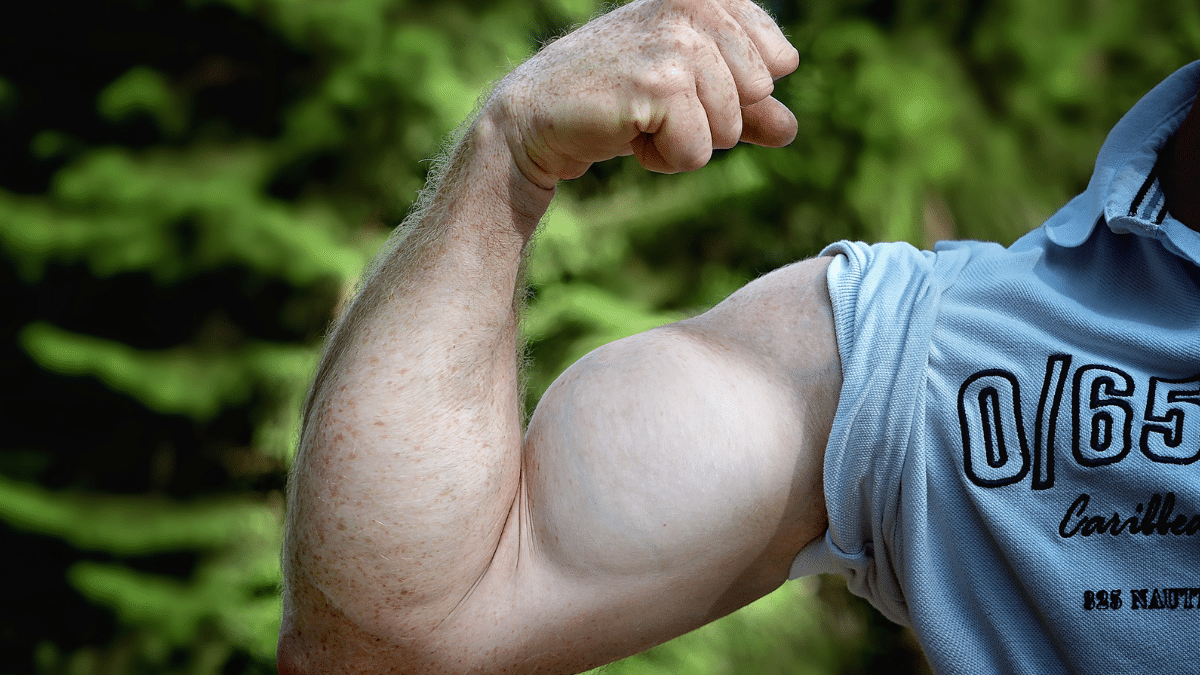
- Muscle Gain: You look fuller, especially in shoulders, chest, and arms.
- Fat Gain: You look softer, especially in the belly, hips, and face.
2. Progress Photos
Take photos every 2 weeks in the same lighting and pose. Compare visuals. Look for:
- Defined muscle shapes = muscle
- Blurry outlines, softer waist = fat
3. Body Measurements
Track waist, arms, chest, legs:
- If waist stays the same but arms/chest grow, it’s likely muscle.
- If waist increases more than other measurements, it’s likely fat.
⚖️ What About the Scale?
The scale tells total weight, not composition. But:
- Muscle is denser than fat
1 pound of muscle takes up less space than 1 pound of fat. - Gaining 0.5–1.5 lbs/week is reasonable in a muscle-building phase.
- If you’re gaining 2+ lbs weekly, odds are you’re adding some fat too.
🏋️♂️ What Does Performance Say?
- Gaining reps, strength, and endurance? Likely muscle.
- No strength increase but weight gain? Could be fat.
- Watch for:
- Heavier lifts across compound movements
- Better muscle endurance (more reps per set)
Muscle gain = performance gain.
🥩 How Does Diet Affect Fat or Muscle Gain?
- Muscle: Calorie surplus + protein + consistent training
- Fat: Surplus without structure, often excess fat or carbs
The “Math” of Muscle vs. Fat Gain:
| Factor | Muscle Gain | Fat Gain |
|---|---|---|
| Surplus | 250–500 cal | 600+ cal |
| Protein | 0.8–1g/lb | Often low |
| Training | Progressive overload | Often none/inconsistent |
| Timeline | 0.5–1.5 lb/week | 2+ lbs/week |
💡 Pro Tip: Use a 3-Point Check System
- Weekly Photos
- Weekly Body Measurements
- Training Log Performance
If 2 of 3 indicate positive lean mass changes, you’re on track.
🔍 Summary Checklist: Muscle or Fat?
| Sign | Muscle | Fat |
|---|---|---|
| Waist size | Same or less | More |
| Strength | Increasing | Stagnant |
| Visual | Tighter, fuller | Softer, bloated |
| Appetite | High due to training | High due to cravings |
| Energy | Consistent | Sluggish |
🧠 Key Takeaways
- Muscle gain is gradual, with visual, performance, and measurement changes.
- Fat gain is faster, often around the waist and face, with no training benefits.
- Track progress with photos, body metrics, and lifts to stay lean while bulking.
- Use math: aim for 250–500 calorie surplus and weigh yourself weekly.
You can’t manage what you don’t measure.
Read Next…
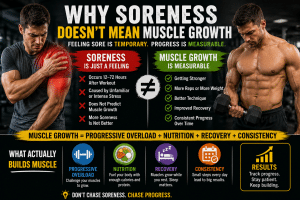
- Why Soreness Doesn’t Mean Muscle Growth
- FaithnFit: Where Faith Meets Fitness Through Biblical Wisdom and Science
- Sowing and Reaping Health: How Galatians 6:7 Aligns With Science and Fitness
- Christian Fitness Motivation That Lasts
- Faith and Fitness: A Biblical Guide to Healthy Living
🌿 Natural Daily Support for Men and Women
I like Divine Bounty supplements because they use natural ingredients instead of synthetic formulas. For people who want a cleaner option for everyday wellness support, Divine Bounty offers quality supplements designed to fit a healthy lifestyle.
Their lineup includes the popular Men’s Multivitamin, plus other supplements for men and women such as Vitamin B Complex, Digestive Enzymes, Berberine, Magnesium Citrate, Vitamin K2 + D3, and Acetyl L-Carnitine.
The Men’s Multivitamin features 24 essential vitamins and minerals plus 5 additional blends for men, all in convenient vegetarian capsules. It is also promoted as GMO free, soy free, dairy free, wheat free, and gluten free.
🛒 Shop Divine Bounty on AmazonSponsored by Terry Clark • Amazon Affiliate Partner