
Estimated reading time: 10 minutes
The global obesity epidemic did not appear overnight. Over the past fifty years, rates of overweight and obesity have risen dramatically in nearly every region of the world. What was once considered a problem limited to wealthy countries has now spread across continents, affecting both developed and developing nations alike.
The central question many people ask is simple but controversial: Who is responsible?
Is obesity primarily the result of personal choices, or are there larger systems influencing behavior? The truth is more complex. The modern obesity crisis is the result of several interacting forces—individual behavior, the food industry, government policies, economic systems, technology, and cultural shifts. Blame cannot be placed on one single group. Instead, the epidemic emerged from a perfect storm of environmental and biological pressures that make weight gain easier than ever before.
Understanding these forces is essential if societies hope to reverse the trend.
The Scale of the Problem


4
Obesity is now one of the most significant public health challenges in the world. According to global health data, billions of people are overweight, and hundreds of millions are classified as obese.
The health consequences are serious and well documented. Excess body fat increases the risk of numerous chronic diseases including:
- Type 2 diabetes
- Heart disease
- Stroke
- Certain cancers
- Joint degeneration
- Sleep apnea
- Fatty liver disease
Beyond medical consequences, obesity also carries economic and psychological costs. Healthcare systems face enormous financial burdens, and individuals often experience stigma, reduced mobility, and lower quality of life.
Yet despite decades of awareness campaigns and diet advice, obesity rates continue to rise.
Why?
To answer that question, we must examine the systems shaping modern life.
The Food Industry and Ultra-Processed Foods


4
One of the most significant drivers of the obesity epidemic is the transformation of the global food supply.
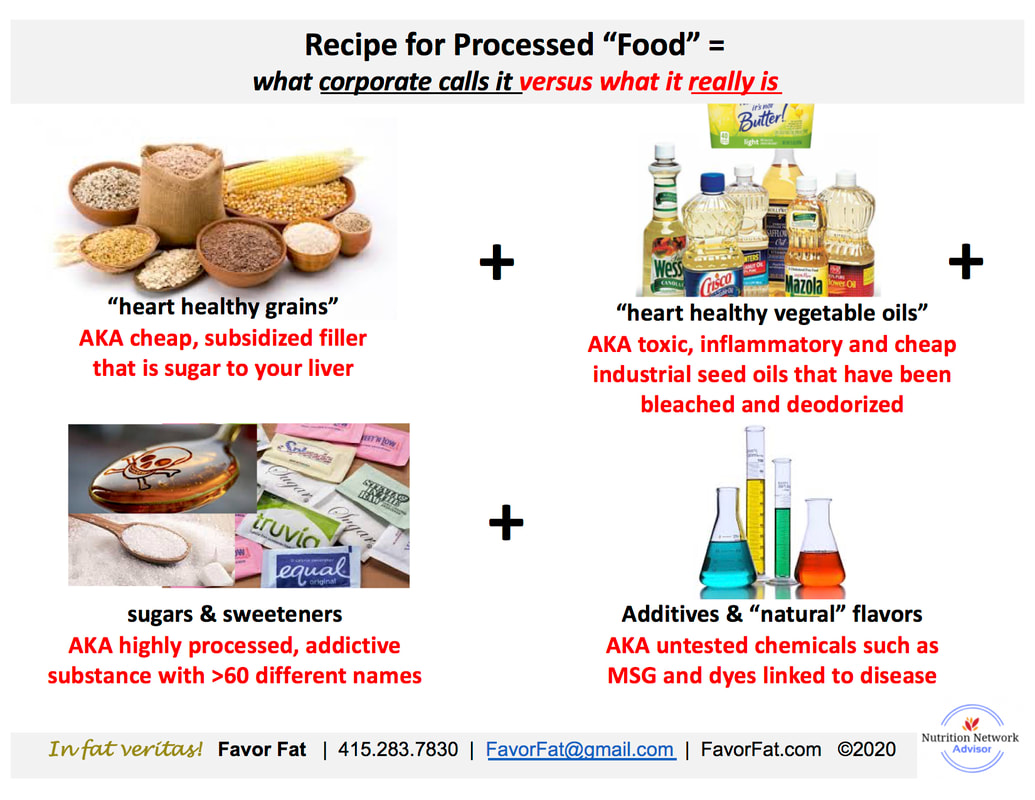
Over the past half century, food has become highly engineered for flavor, shelf life, and profitability. Modern ultra-processed foods are typically loaded with combinations of sugar, refined carbohydrates, salt, and industrial oils designed to stimulate reward centers in the brain.
These foods have several characteristics that promote overeating:
High calorie density
Processed foods pack large numbers of calories into small volumes.
Low satiety
Refined carbohydrates digest quickly, causing blood sugar spikes followed by crashes that stimulate hunger.
Hyper-palatability
Food scientists design products to hit a “bliss point” of sweetness, saltiness, and fat that encourages continuous consumption.
Convenience and accessibility
Fast food and packaged meals are widely available, inexpensive, and require little preparation.
When these foods dominate the food environment, maintaining a healthy weight becomes more difficult—even for people who are trying to make good choices.
This does not mean the food industry is solely responsible, but its influence on global eating habits is undeniable.
Government Policies and Agricultural Subsidies



4
Government policy has also shaped the food system in powerful ways.
In many countries, agricultural subsidies heavily favor crops such as:
- Corn
- Soy
- Wheat
- Sugar
These crops become raw materials for processed food ingredients including high-fructose corn syrup, refined flour, and hydrogenated oils.
Because these ingredients are subsidized, they become extremely cheap. Food manufacturers then transform them into low-cost snack foods, sugary beverages, and convenience meals.
Meanwhile, healthier whole foods—fresh vegetables, fruits, and high-quality proteins—often receive far less financial support and can be more expensive.
The result is a distorted marketplace where calorie-dense foods are cheaper than nutrient-dense foods.
This economic imbalance influences consumer choices at a massive scale.
Technology and the Rise of Sedentary Lifestyles


4
Obesity is not only about food. It is also about energy expenditure.
Human bodies evolved for movement. For most of history, survival required daily physical activity—walking, farming, hunting, and manual labor.
Modern life has dramatically reduced these demands.
Today many people spend large portions of the day:
- Sitting at desks
- Driving cars
- Watching screens
- Using smartphones
- Working on computers
Automation, remote work, and digital entertainment have removed much of the natural movement that once kept metabolism active.
This shift means people often burn hundreds of fewer calories each day compared with previous generations.
Even small reductions in daily energy expenditure can accumulate over time, contributing to gradual weight gain.
Marketing and the Psychology of Eating


4
Food companies invest billions of dollars each year into marketing.
These campaigns influence consumer behavior through psychology and branding. Advertisements associate certain foods with happiness, success, convenience, and social connection.
Marketing strategies include:
- Bright packaging and cartoon mascots aimed at children
- Emotional storytelling in commercials
- Limited-time promotions and value meals
- Influencer marketing on social media
When people are exposed to thousands of food advertisements each year, their perception of normal eating habits shifts.
Portion sizes increase, snacking becomes routine, and sugary beverages become everyday staples.
These marketing forces subtly reshape culture.
The Role of Personal Responsibility
Despite environmental influences, individual behavior still matters.
Ultimately, every person makes daily decisions about:
- What to eat
- How much to eat
- Whether to exercise
- How much to sleep
- How they manage stress
Genetics and biology influence body weight, but lifestyle choices remain a major factor.
Regular physical activity, balanced nutrition, and mindful eating habits can significantly reduce the risk of obesity.
However, expecting individuals to overcome powerful environmental pressures entirely on their own may be unrealistic. The environment shapes behavior more than most people realize.
For example:
- If healthy food is scarce or expensive
- If neighborhoods lack safe places to exercise
- If work schedules are extremely demanding
Maintaining healthy habits becomes more difficult.
This is why many public health experts argue that systemic solutions are necessary alongside personal responsibility.
Biological Factors and Human Evolution
Another often overlooked contributor to obesity lies in human biology itself.
Humans evolved during times of food scarcity. Our ancestors survived because their bodies efficiently stored energy as fat during times of abundance.
This evolutionary advantage is sometimes called the “thrifty gene” hypothesis.
In prehistoric environments, storing fat increased survival during famine.
In modern environments—where food is abundant year-round—this same biological trait becomes a liability.
The human brain is also wired to crave high-energy foods such as sugar and fat because those nutrients were historically rare.
Modern food environments exploit these ancient instincts.
Stress, Sleep, and Modern Life
Lifestyle factors beyond diet and exercise also influence body weight.
Chronic stress and poor sleep are increasingly common in modern society. Both can disrupt hormones involved in appetite regulation.
For example:
Cortisol, the stress hormone, promotes fat storage and increases cravings for high-energy foods.
Sleep deprivation disrupts two key hormones:
- Ghrelin, which increases hunger
- Leptin, which signals fullness
When people sleep less than six hours per night, they tend to eat more calories and experience stronger cravings.
This means modern work schedules, financial pressures, and digital distractions can indirectly contribute to weight gain.
Socioeconomic Inequality
Obesity rates are often higher in lower-income communities.
Several factors contribute to this disparity:
- Limited access to fresh foods
- Higher prices for healthy meals
- Fewer recreational facilities
- Greater work stress and time constraints
In some areas, residents live in “food deserts” where grocery stores offering fresh produce are scarce, while fast food restaurants are abundant.
When the easiest and cheapest food options are also the least healthy, long-term health outcomes suffer.
So Who Is Actually to Blame?
The honest answer is that no single group is entirely responsible.
The global obesity epidemic is the product of many overlapping forces:
Food companies design highly palatable products.
Governments shape agricultural systems that favor processed ingredients.
Technology reduces daily physical activity.
Marketing influences consumer habits.
Economic inequality limits healthy options.
Human biology encourages calorie storage.
Individual behaviors interact with all of these forces.
In other words, obesity is not simply a failure of willpower. It is the predictable outcome of a world engineered for convenience, abundance, and efficiency.
Moving Toward Solutions
Solving the obesity epidemic will require action at multiple levels.
Possible strategies include:
Improving food environments
Encouraging availability of whole foods while reducing reliance on ultra-processed products.
Nutrition education
Helping people understand how diet affects metabolism, health, and body composition.
Urban design that promotes movement
Creating walkable communities, parks, and accessible recreational spaces.
Responsible marketing practices
Reducing aggressive marketing of unhealthy foods to children.
Individual lifestyle strategies
Adopting habits such as regular exercise, mindful eating, adequate sleep, and stress management.
Final Thoughts
The obesity epidemic reflects the complex relationship between biology, environment, economics, and culture.
Blaming individuals alone ignores the powerful systems shaping behavior. Blaming industry alone overlooks the role of personal responsibility.
Real progress requires acknowledging both.
By understanding the forces driving obesity—from food systems to human psychology—societies can begin designing environments that make healthy choices easier rather than harder.
Only then can the global trend begin to reverse.
Read Next…
🌿 Natural Daily Support for Men and Women
I like Divine Bounty supplements because they use natural ingredients instead of synthetic formulas. For people who want a cleaner option for everyday wellness support, Divine Bounty offers quality supplements designed to fit a healthy lifestyle.
Their lineup includes the popular Men’s Multivitamin, plus other supplements for men and women such as Vitamin B Complex, Digestive Enzymes, Berberine, Magnesium Citrate, Vitamin K2 + D3, and Acetyl L-Carnitine.
The Men’s Multivitamin features 24 essential vitamins and minerals plus 5 additional blends for men, all in convenient vegetarian capsules. It is also promoted as GMO free, soy free, dairy free, wheat free, and gluten free.
🛒 Shop Divine Bounty on AmazonSponsored by Terry Clark • Amazon Affiliate Partner