
Estimated reading time: 6 minutes
Muscle recovery is a critical component of athletic performance, injury rehabilitation, and everyday physical wellness. Whether you’re an elite athlete, a weekend runner, or someone managing chronic muscle tension, optimizing recovery can reduce soreness, improve mobility, and prevent long-term damage. In recent years, acupuncture has gained attention not only as a traditional healing practice but also as a scientifically studied method for enhancing muscle recovery.
Rooted in Traditional Chinese Medicine (TCM), acupuncture has been practiced for thousands of years. Today, modern research is beginning to uncover the physiological mechanisms behind its effects—particularly in the areas of inflammation control, circulation, neuromuscular function, and pain modulation.
This article explores the science behind acupuncture’s impact on muscle recovery and why it is increasingly integrated into sports medicine and rehabilitation programs.
Understanding Muscle Recovery
Before diving into acupuncture’s role, it’s important to understand what happens during muscle recovery.
When you exercise intensely or experience physical strain:
- Muscle fibers develop microtears.
- Inflammatory processes are activated.
- Metabolic waste products accumulate.
- Delayed Onset Muscle Soreness (DOMS) may develop within 24–72 hours.
Recovery involves repairing muscle tissue, clearing inflammatory byproducts, restoring blood flow, and regulating the nervous system. The faster and more efficiently this process occurs, the better the body adapts to training and stress.
How Acupuncture Works: A Modern Scientific View
Traditional Chinese Medicine explains acupuncture through the movement of Qi (vital energy) along meridians. From a biomedical perspective, however, acupuncture stimulates specific anatomical points that influence the nervous system, connective tissue, and circulatory system.
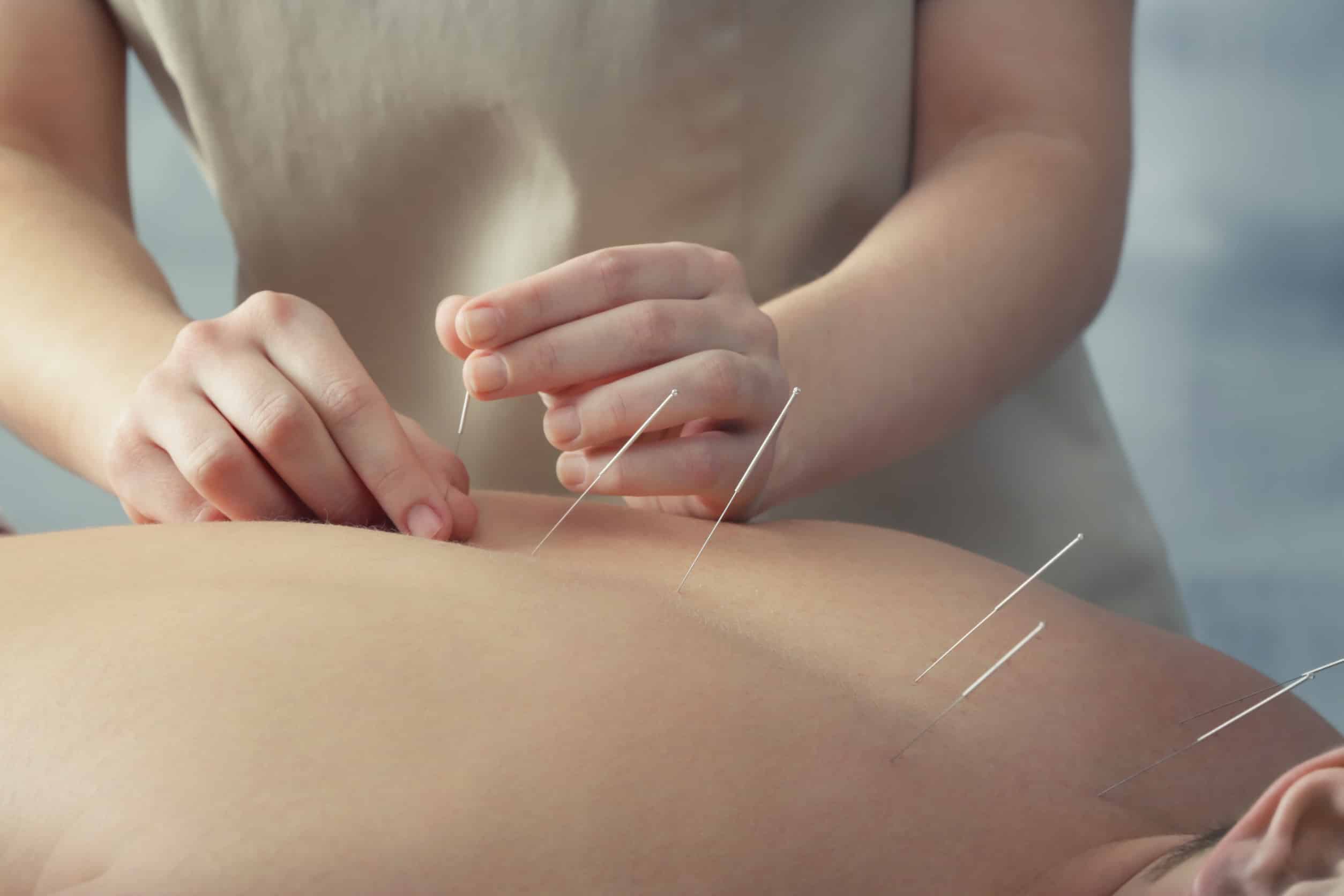
When a fine needle is inserted into the skin:
- Sensory nerves are stimulated.
- Local blood vessels dilate.
- Chemical messengers are released.
- The brain responds through central nervous system pathways.
These effects combine to influence pain perception, inflammation, and tissue repair.
1. Acupuncture and Inflammation Regulation
Inflammation is a necessary part of muscle repair—but excessive or prolonged inflammation can delay recovery and increase soreness.
Research suggests acupuncture may help regulate inflammatory responses by:
- Reducing pro-inflammatory cytokines (such as TNF-alpha and IL-6)
- Increasing anti-inflammatory mediators
- Modulating immune cell activity
By helping balance inflammation, acupuncture may prevent overactive inflammatory cascades that contribute to prolonged muscle stiffness and discomfort.
Importantly, this does not eliminate inflammation entirely—it helps optimize it, supporting efficient tissue repair without excessive swelling or pain.
2. Improved Blood Flow and Oxygen Delivery
Circulation is essential for muscle recovery. Oxygen and nutrients must reach damaged tissue, while metabolic waste (like lactic acid byproducts) must be cleared.
Acupuncture has been shown to:
- Increase local microcirculation
- Enhance vasodilation (widening of blood vessels)
- Improve tissue oxygenation
Studies using Doppler imaging and infrared thermography demonstrate measurable increases in blood flow following needle insertion. This improved circulation may accelerate nutrient delivery and waste removal in fatigued muscles.
For athletes, enhanced blood flow can translate to reduced stiffness and faster readiness for the next training session.
3. Pain Modulation Through the Nervous System
One of acupuncture’s most studied effects is its ability to reduce pain. Muscle soreness and strain often involve both inflammatory pain and neurological sensitivity.
Acupuncture stimulates A-delta and C sensory fibers, which send signals to the spinal cord and brain. This activates several key mechanisms:
- Release of endorphins (natural painkillers)
- Activation of serotonin and dopamine pathways
- Regulation of the hypothalamic-pituitary-adrenal (HPA) axis
- Reduction in pain signal transmission in the spinal cord
This process is sometimes referred to as the “gate control theory” of pain, where stimulation from acupuncture needles helps block or dampen pain signals traveling to the brain.
For muscle recovery, reduced pain allows better mobility, improved stretching tolerance, and healthier movement patterns.
4. Reduction of Muscle Tension and Trigger Points
Muscle overuse often leads to tight bands of tissue known as myofascial trigger points. These points can cause localized pain or refer pain to other areas.
Acupuncture—particularly dry needling techniques used in sports settings—can:
- Interrupt dysfunctional motor endplate activity
- Release contracted muscle fibers
- Decrease abnormal electrical activity in trigger points
When a needle stimulates a trigger point, it may produce a “local twitch response,” which is associated with muscle relaxation and reduced tightness.
The result is an improved range of motion and reduced muscular restriction.
5. Regulation of the Autonomic Nervous System
Recovery isn’t just physical—it’s neurological.
Intense training activates the sympathetic nervous system (“fight or flight”), which increases cortisol and stress hormones. For optimal recovery, the body must shift into parasympathetic (“rest and digest”) mode.
Acupuncture has been shown to:
- Lower heart rate
- Reduce cortisol levels
- Enhance parasympathetic activity
- Promote relaxation
By helping the nervous system reset, acupuncture supports deeper recovery at a systemic level—not just at the muscle itself.
6. Effects on Delayed Onset Muscle Soreness (DOMS)
DOMS is common after unfamiliar or intense exercise. Symptoms include:
- Stiffness
- Tenderness
- Reduced strength
- Limited mobility
Several studies suggest acupuncture may reduce the severity and duration of DOMS by:
- Enhancing blood flow
- Regulating inflammation
- Reducing pain sensitivity
- Improving muscle activation patterns
While results vary depending on timing and technique, many athletes report subjective improvements in soreness and flexibility after sessions.
7. Connective Tissue and Fascial Response
Emerging research highlights acupuncture’s effect on fascia—the connective tissue surrounding muscles.
When needles are inserted and gently manipulated:
- Collagen fibers may wind around the needle.
- Mechanical signaling is transmitted through connective tissue.
- Fibroblast activity may increase.
This mechanical stimulation could influence tissue remodeling and elasticity, supporting long-term muscle health.
Clinical Applications in Sports Medicine
Many sports medicine clinics now incorporate Acupuncture treatment into comprehensive recovery plans. It is commonly used for:
- Muscle strains
- Tendon overuse injuries
- Hamstring tightness
- Quadriceps fatigue
- Shoulder tension
- Lower back strain
Professional athletes across disciplines—including runners, swimmers, and basketball players—have publicly credited acupuncture as part of their recovery protocols.
Timing and Frequency for Muscle Recovery
For acute muscle strain:
- Treatment may begin within 24–48 hours.
- Sessions may occur 1–2 times per week initially.
For maintenance and performance optimization:
- Biweekly or monthly sessions are common.
- Often combined with massage, mobility work, and strength training.
Individual response varies, and treatment should be tailored by a licensed practitioner.
Is Acupuncture Safe for Muscle Recovery?
When performed by a qualified professional, acupuncture is generally considered safe. Side effects are typically mild and may include:
- Temporary soreness at needle sites
- Mild bruising
- Fatigue after treatment
Serious complications are rare when sterile techniques are used.
Integrating Acupuncture with Other Recovery Tools
Acupuncture works best as part of a broader recovery strategy that includes:
- Adequate hydration
- Proper nutrition (especially protein intake)
- Quality sleep
- Active recovery movement
- Stretching and mobility work
Rather than replacing these tools, acupuncture enhances their effectiveness by improving circulation, regulating inflammation, and supporting nervous system balance.
The Bottom Line
The science behind acupuncture’s effect on muscle recovery continues to evolve, but current research supports several key mechanisms:
- Improved circulation
- Balanced inflammatory response
- Enhanced pain modulation
- Reduced muscle tension
- Nervous system regulation
What was once described solely in terms of Qi and meridians is now being understood through neurophysiology, immunology, and connective tissue research.
For individuals seeking faster recovery, reduced soreness, and improved physical resilience, acupuncture offers a bridge between ancient practice and modern science. As research expands, its role in muscle recovery and sports medicine is likely to become even more prominent—providing a holistic yet evidence-informed path to optimal performance and healing.
Read Next…
- Acupuncture, Cupping & Spiritual Rest: Natural Ways to Manage Stress and Enhance Recovery
- Be Consistent, Not Perfect, With Your Diet to Get Results
- Pain Relief: Follow These Tips for Better Results
- Understanding Mesothelioma: Causes, Symptoms, Natural Remedies, and Diet
- How to Increase Natural Testosterone Levels
🌿 Natural Daily Support for Men and Women
I like Divine Bounty supplements because they use natural ingredients instead of synthetic formulas. For people who want a cleaner option for everyday wellness support, Divine Bounty offers quality supplements designed to fit a healthy lifestyle.
Their lineup includes the popular Men’s Multivitamin, plus other supplements for men and women such as Vitamin B Complex, Digestive Enzymes, Berberine, Magnesium Citrate, Vitamin K2 + D3, and Acetyl L-Carnitine.
The Men’s Multivitamin features 24 essential vitamins and minerals plus 5 additional blends for men, all in convenient vegetarian capsules. It is also promoted as GMO free, soy free, dairy free, wheat free, and gluten free.
🛒 Shop Divine Bounty on AmazonSponsored by Terry Clark • Amazon Affiliate Partner