Estimated reading time: 9 minutes
Stress is not just “in your head.” It’s a full-body experience that changes your breathing, digestion, muscle tension, sleep depth, immune signaling, and even how quickly you recover after illness, training, or long workdays. When stress becomes chronic, the body can get stuck in “always on” mode: tight shoulders, shallow breathing, racing thoughts, poor sleep, fatigue, cravings, irritability, and that feeling of never fully recharging.
Natural, supportive approaches can help interrupt this cycle. Among the most popular (and often surprisingly calming) are acupuncture, cupping therapy, and a less talked-about but deeply practical idea: spiritual rest, the kind of rest that restores meaning, inner quiet, and emotional steadiness, not just physical energy.
Used wisely, these tools can complement good sleep, nourishing food, movement, and medical care. They’re not magic cures but they can become powerful “recovery multipliers,” especially when stress is making your body feel heavy, tense, and slow to bounce back.
Understanding Stress and Recovery: What’s Happening in the Body?
Stress is not just “in your head.” It’s a full-body experience that changes your breathing, digestion, muscle tension, sleep depth, immune signaling, and even how quickly you recover after illness, training, or long workdays. When stress becomes chronic, the body can get stuck in “always on” mode: tight shoulders, shallow breathing, racing thoughts, poor sleep, fatigue, cravings, irritability, and that feeling of never fully recharging.
Natural, supportive approaches can help interrupt this cycle. Among the most popular (and often surprisingly calming) are acupuncture, cupping therapy, and a less talked-about but deeply practical idea: spiritual rest, the kind of rest that restores meaning, inner quiet, and emotional steadiness, not just physical energy.
Before getting into the therapies, it helps to understand why stress disrupts recovery.
When the nervous system perceives threat (deadlines, conflict, financial worry, overtraining, illness, lack of sleep), it shifts toward a sympathetic “fight-or-flight” state. That’s useful short-term, but chronic activation can lead to:
- Muscle guarding and pain: neck, jaw, shoulders, low back, headaches
- Sleep disruption: light sleep, waking early, restless nights
- Digestive issues: bloating, reflux, constipation or loose stools
- Higher inflammation signaling in some people (varies by person)
- Poor recovery: soreness that lingers, fatigue that doesn’t lift
- Mood and focus issues: anxiety, low motivation, brain fog
The body recovers best in the parasympathetic “rest-and-digest” mode, slower breathing, improved digestion, relaxed muscles, better circulation to tissues, and deeper sleep.
Acupuncture and cupping may help by supporting pain modulation, circulation, and nervous system regulation. Spiritual rest helps by settling the internal “alarm system” , the mental/emotional layer that keeps the body tense even when nothing is physically wrong.
Acupuncture Treatment: A Nervous System Reset + Pain Modulation Tool
What acupuncture is
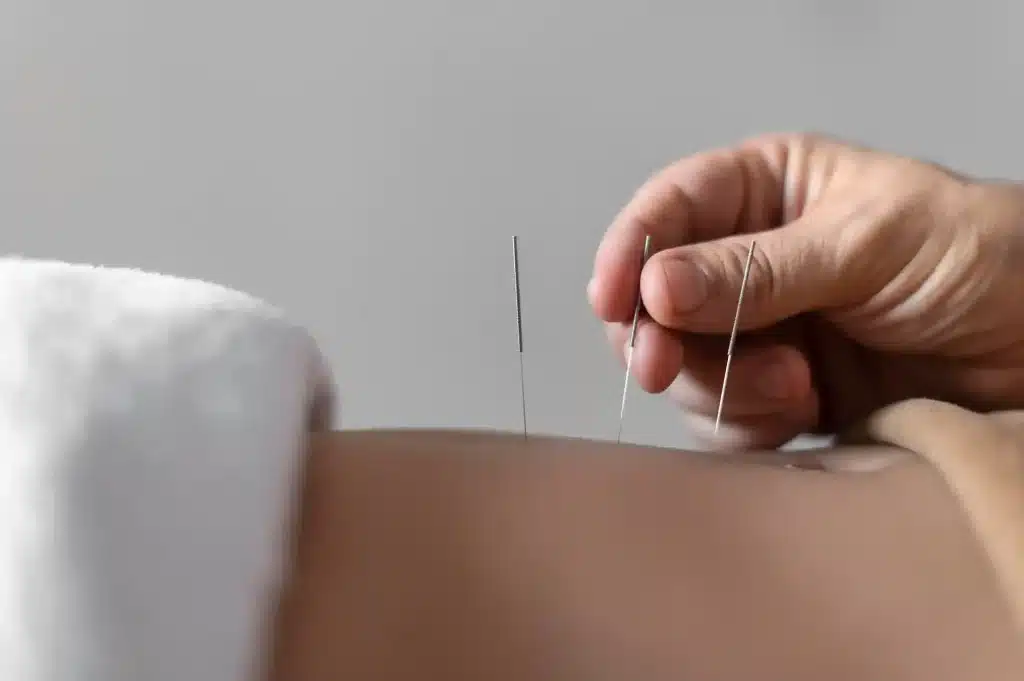
Acupuncture is a practice where very thin sterile needles are inserted into specific points on the body. In traditional East Asian medicine, these points relate to energy pathways (“meridians”). In modern terms, acupuncture is often discussed as a way to influence:
- Nervous system signaling
- Local blood flow
- Muscle tone and trigger points
- Pain processing pathways
- Stress-related autonomic balance (sympathetic vs parasympathetic)
Many people describe acupuncture as “weirdly relaxing” a calm heaviness, slower breathing, and a shift from tension to ease.
How acupuncture may help with stress
Stress has a physical signature: tight muscles, fast breathing, elevated arousal, shallow sleep. Acupuncture sessions often create a structured “downshift” moment—quiet room, slow pace, low stimulation, stillness. That context matters: it teaches the nervous system that it is safe to soften.
Potential benefits people commonly report:
- Reduced muscle tension (especially neck, shoulders, jaw)
- Improved sleep quality and ease of falling asleep
- Lower perceived anxiety and restlessness
- Fewer stress headaches or less intensity
- Better digestion when stress affects the gut
- Faster recovery when tension is delaying healing
Acupuncture and recovery (training, soreness, injury)
Recovery depends on circulation, inflammation resolution, muscle relaxation, and sleep. Acupuncture is often used to support:
- Post-workout soreness or tightness
- Tendon and overuse discomfort (as part of a larger rehab plan)
- Low back pain or neck pain
- Sleep and fatigue issues that block recovery
Important: acupuncture is best viewed as a supportive therapy, not a substitute for medical evaluation, strength work, physiotherapy, or treatment of serious conditions.
What an Acupuncture Session Feels Like (So You’re Not Nervous)
If you’ve never tried acupuncture, the idea of needles can sound intimidating. The needles used are extremely thin and many people feel little to nothing. Common sensations include:
- a light pinch at insertion (sometimes)
- warmth, heaviness, tingling, dull ache, or a spreading sensation
- deep relaxation or sleepiness during the session
A typical appointment:
- Brief intake (sleep, stress, pain, digestion, energy, menstrual cycle, etc.)
- Needle placement (often 10–30 minutes resting)
- Needles removed; you may feel calm, heavy, or energized afterward
Aftercare tips:
- Drink water
- Avoid intense workouts immediately if you feel “floaty”
- Eat something nourishing
- Plan a quieter evening when possible
Safety: Acupuncture Isn’t for Everyone (and That’s Okay)
Acupuncture is generally safe when performed by a licensed, trained professional using sterile single-use needles. Still, you should be careful if you have:
- bleeding disorders or are on blood thinners (requires medical guidance)
- pregnancy (some points are avoided; see a specialist)
- pacemakers (avoid electro-acupuncture unless cleared)
- immune suppression or high infection risk (requires extra caution)
Possible side effects:
- minor bruising
- temporary soreness
- fatigue or lightheadedness (rare, usually mild)
- symptom “flare” for 24–48 hours in some people
If you ever feel faint, nauseous, or unusually unwell afterward, contact your practitioner and seek medical care if needed.
Cupping Therapy: Releasing Tension + Supporting Circulation
What cupping is
Cupping therapy involves placing cups (often glass, silicone, or plastic) on the skin and creating suction. The suction gently lifts the skin and superficial tissue layers.
Cupping is used in many traditions and has become popular for:
- muscle tightness and stiffness
- myofascial restrictions (that “stuck” feeling)
- athletic recovery
- stress-related tension patterns (upper back/shoulders)
The famous “cupping marks”
Those circular marks are not typically bruises from impact; they’re often described as superficial capillary changes from suction. They can be red, purple, or brownish and usually fade within several days to two weeks, depending on the person and intensity used.
How cupping may help stress and recovery
Stress often shows up as tight “armor” in the upper back, chest, and neck. Cupping can feel like a deep, slow stretch from the inside. People often report:
- reduced muscle tightness
- improved range of motion (especially shoulders/upper back)
- less “heaviness” in stressed areas
- a relaxed, sleepy after-effect similar to massage
Cupping styles:
- Static cupping: cups stay in place for a few minutes
- Gliding/moving cupping: oil applied; cups moved along muscles (common for athletes)
- Flash cupping: cups applied and removed quickly (less intense)
Cupping Therapy Safety: When to Avoid It
Cupping can be very helpful, but it’s not risk-free. Avoid or seek medical guidance if you have:
- bleeding disorders, blood thinners
- fragile skin, active eczema/psoriasis flares (in the area)
- open wounds, infections, fever, or severe inflammation
- a history of blood clots (discuss with a clinician)
- pregnancy (avoid abdomen/lower back; use a specialist)
Possible side effects:
- temporary marks/discoloration
- skin sensitivity
- lightheadedness if you’re dehydrated or anxious
- rare blistering if suction is too strong or left too long
The key is a trained practitioner and appropriate intensity. More suction is not “more healing.”
Spiritual Rest: The Missing Piece in Stress Recovery
You can sleep eight hours and still feel tired if your mind and spirit are depleted. Spiritual rest is the restoration of inner life meaning, connection, stillness, and emotional safety. It is not necessarily religious (though it can be). It’s about giving your nervous system a deeper signal: I am safe, I am held, I am allowed to pause.
What spiritual rest looks like in real life
Spiritual rest can be:
- prayer, dhikr, meditation, mindful breathing
- sitting quietly without scrolling
- reading something that nourishes (not agitates)
- time in nature with full attention
- gratitude journaling or reflection
- forgiveness work or letting-go practices
- community connection (healthy relationships, supportive gatherings)
- service/charity that reconnects you to purpose (in balanced amounts)
Why it supports recovery
Stress isn’t only physical load it’s meaning load. When life feels uncertain, the brain scans constantly for danger. Spiritual rest helps shift the internal narrative from threat to trust, which can:
- lower baseline anxiety
- reduce rumination
- improve sleep onset
- decrease tension habits (jaw clenching, shallow breathing)
- support consistency with healthy routines
If acupuncture and cupping help the body unwind, spiritual rest helps the inner alarm system stand down.
Putting It Together: A Natural Recovery Framework
Think of recovery like a three-legged stool:
- Body regulation: acupuncture, cupping, breathwork, gentle movement
- Lifestyle foundations: sleep, hydration, nutrition, sunlight, boundaries
- Inner restoration: spiritual rest, reflection, connection, meaning
When all three are addressed, progress is smoother and relapse into burnout is less likely.
A simple weekly plan (adjust as needed)
Option A: High stress, tight body, poor sleep
- 1 acupuncture session weekly for 3–6 weeks
- Cupping every 1–2 weeks (or integrated into acupuncture)
- Daily 10 minutes spiritual rest (quiet + breath + reflection)
Option B: Training recovery + tension
- Acupuncture every 2 weeks or monthly maintenance
- Cupping after heavy training blocks (not right before competition if marks matter)
- Spiritual rest 3–5 times/week: calming routine + values check-in
Option C: Busy schedule, limited time
- One combined acupuncture + cupping session monthly
- Micro spiritual rest: 3 minutes morning + 3 minutes evening
- One “phone-free” walk weekly
Mini Practices That Multiply Results
1) The 2-minute downshift (before bed)
- Sit or lie down
- Inhale through the nose for 4 seconds
- Exhale slowly for 6–8 seconds
- Repeat for 2 minutes
- Add a simple intention: “I release what I can’t control tonight.”
This pairs beautifully with acupuncture/cupping because it trains your nervous system to enter recovery mode on command.
2) Post-treatment integration
After acupuncture or cupping:
- hydrate
- keep the day lighter if possible
- do gentle stretching or a short walk
- avoid doom-scrolling (it reactivates stress quickly)
- do 5 minutes of spiritual rest to “seal in” the calm state
3) Emotional hygiene (spiritual rest with honesty)
Once a week, ask:
- What am I carrying that isn’t mine?
- What boundary do I need?
- What am I avoiding that’s draining me?
- What is one thing I can surrender or simplify?
Even a small insight here can reduce body tension more than another hour of massage
Choosing a Good Practitioner
- Look for licensed credentials in your region
- Ask if they use sterile single-use needles (they should)
- Notice how they explain the plan and listen to your goals
- A good practitioner doesn’t promise miracles; they promise a process
For cupping therapy:
- Ask what type they do (static vs moving)
- Ask how they control intensity and duration
- Ask about aftercare and what marks to expect
- The best sessions feel effective but not aggressive
When to Get Medical Help (Don’t Push Through Red Flags)
Natural therapies are supportive, but seek medical evaluation if you have:
- chest pain, fainting, severe shortness of breath
- sudden neurological symptoms (weakness, numbness, vision issues)
- unexplained weight loss, fevers, night sweats
- severe depression, panic attacks, suicidal thoughts
- pain that’s worsening rapidly or affecting daily function
It’s completely reasonable to combine conventional care with acupuncture/cupping and spiritual practices.
The Big Picture: Recovery Is a Skill You Can Train
Stress management isn’t a one-time fix, it’s a practice. Acupuncture and cupping can help your body remember how to relax. Spiritual rest helps your inner world stop pulling the emergency brake on your recovery.
If you’re feeling stuck tired but wired, tense but exhausted, resting but not recovering consider a combined approach:
- Acupuncture to regulate and relieve
- Cupping to release physical holding patterns
- Spiritual rest to quiet the deeper noise and restore meaning
The best part is that these strategies don’t require you to be perfect. You just need consistency: small, repeated signals to your body and mind that it’s safe to soften, repair, and come back stronger.
Read Next…
- Pain Relief: Follow These Tips for Better Results
- Understanding Mesothelioma: Causes, Symptoms, Natural Remedies, and Diet
- Erectile Dysfunction – A list of Causes, Symptoms, and Treatments
- How to Increase Natural Testosterone Levels
- Fiber – The Best Nutrient for Your Fitness Goals Is Not Protein
🌿 Natural Daily Support for Men and Women
I like Divine Bounty supplements because they use natural ingredients instead of synthetic formulas. For people who want a cleaner option for everyday wellness support, Divine Bounty offers quality supplements designed to fit a healthy lifestyle.
Their lineup includes the popular Men’s Multivitamin, plus other supplements for men and women such as Vitamin B Complex, Digestive Enzymes, Berberine, Magnesium Citrate, Vitamin K2 + D3, and Acetyl L-Carnitine.
The Men’s Multivitamin features 24 essential vitamins and minerals plus 5 additional blends for men, all in convenient vegetarian capsules. It is also promoted as GMO free, soy free, dairy free, wheat free, and gluten free.
🛒 Shop Divine Bounty on AmazonSponsored by Terry Clark • Amazon Affiliate Partner