
Estimated reading time: 8 minutes
Understanding the Skin–Nutrition Connection
The skin is the body’s largest organ and acts as a protective barrier against environmental damage, pollution, bacteria, and harmful ultraviolet rays. Because the skin is constantly regenerating itself, it requires a steady supply of nutrients to maintain its structure and function.
Every day, the body produces new skin cells to replace old ones. This process depends heavily on vitamins, minerals, proteins, and fatty acids obtained through food. When the body lacks essential nutrients, the skin often becomes dry, dull, inflamed, or prone to conditions such as acne, eczema, and premature aging.
Poor dietary habits, such as consuming high levels of processed foods, sugar, and unhealthy fats can accelerate skin aging, cause breakouts, and reduce skin elasticity. On the other hand, a balanced diet supports collagen production, reduces inflammation, and improves skin hydration.
Key Nutrients That Promote Healthy Skin
1. Vitamin C: The Collagen Booster
Vitamin C is one of the most important nutrients for skin health. It plays a vital role in collagen production, which helps maintain skin firmness and elasticity. Collagen is the structural protein responsible for keeping skin smooth and youthful.
Vitamin C is also a powerful antioxidant that protects skin cells from oxidative stress caused by pollution and sun exposure. It helps brighten the complexion and reduce hyperpigmentation.
Foods rich in vitamin C include:
- Oranges
- Strawberries
- Bell peppers
- Kiwi
- Broccoli
A vitamin C–rich diet supports skin repair and enhances the effectiveness of many skincare products used in online skincare routines.
2. Vitamin E: The Skin Protector
Vitamin E is another essential antioxidant that protects skin cells from environmental damage. It helps neutralize free radicals that contribute to premature aging, fine lines, and wrinkles.
Vitamin E also strengthens the skin barrier and helps maintain hydration levels. When combined with vitamin C, its protective effects are even stronger.
Common dietary sources of vitamin E include:
- Almonds
- Sunflower seeds
- Spinach
- Avocados
- Olive oil
For individuals purchasing skincare products online, vitamin E is often found in moisturizers and serums designed to nourish and protect the skin.
3. Omega-3 Fatty Acids: The Hydration Heroes
Omega-3 fatty acids are healthy fats that play a critical role in maintaining the skin’s lipid barrier. This barrier helps retain moisture and keeps harmful irritants out.
A diet rich in omega-3 fatty acids can help reduce inflammation, which is beneficial for people with acne, psoriasis, or eczema. These fats also contribute to smoother and more hydrated skin.
Foods high in omega-3 fatty acids include:
- Salmon
- Chia seeds
- Walnuts
- Flaxseeds
- Sardines
Regular consumption of omega-3s can result in softer, more supple skin.
4. Zinc: The Acne Fighter
Zinc is an essential mineral known for its anti-inflammatory and antibacterial properties. It helps regulate oil production in the skin and supports the healing of acne lesions.
People with acne-prone skin often have lower levels of zinc in their bodies. Increasing dietary zinc intake can help reduce breakouts and improve skin recovery.
Good sources of zinc include:
- Pumpkin seeds
- Lentils
- Chickpeas
- Whole grains
- Nuts
Many skincare brands highlight zinc as an ingredient in acne treatments, but consuming it through food also supports skin health internally.
5. Vitamin A: The Skin Renewal Vitamin
Vitamin A is essential for skin cell production and repair. It promotes healthy skin turnover and helps reduce dryness, fine lines, and uneven texture.
Vitamin A also supports the treatment of acne by regulating oil production and preventing clogged pores.
Foods rich in vitamin A include:
- Carrots
- Sweet potatoes
- Kale
- Spinach
- Eggs
A deficiency in vitamin A can lead to rough, dry skin and slower healing of skin damage.
The Role of Antioxidants in Skin Protection
Antioxidants are compounds that protect the body from free radicals—unstable molecules that damage cells and accelerate aging. Environmental factors such as pollution, sun exposure, and stress increase the production of free radicals in the body.
A diet rich in antioxidant-containing foods helps neutralize these harmful molecules and prevents skin damage.
Some antioxidant-rich foods include:
- Blueberries
- Green tea
- Dark chocolate
- Pomegranates
- Tomatoes
These foods help improve skin tone, reduce inflammation, and protect against premature aging.
Hydration: The Foundation of Healthy Skin
Water plays a fundamental role in maintaining skin hydration and elasticity. When the body is dehydrated, the skin can appear dull, tight, and flaky.
Adequate water intake helps flush toxins from the body and supports the delivery of nutrients to skin cells. It also improves circulation, which contributes to a healthier complexion.
Experts generally recommend drinking around 8 glasses of water per day, although individual hydration needs may vary depending on climate, activity level, and health conditions.
In addition to drinking water, consuming water-rich foods such as cucumbers, watermelon, oranges, and celery can further support skin hydration.
Foods That Can Harm Your Skin
While certain foods improve skin health, others may negatively impact it. Diets high in sugar, refined carbohydrates, and processed foods can increase inflammation and contribute to acne and premature aging.
High Sugar Intake
Excess sugar consumption can lead to a process called glycation, where sugar molecules attach to collagen fibers. This weakens collagen and makes skin more prone to wrinkles and sagging.
Processed Foods
Highly processed foods often contain unhealthy fats, additives, and preservatives that can trigger inflammation and skin irritation.
Dairy (for Some Individuals)
Some studies suggest that dairy products may worsen acne in certain individuals due to hormones present in milk.
Reducing the consumption of these foods may help improve skin clarity and overall health.
The Gut–Skin Connection
Emerging research highlights the strong relationship between gut health and skin health. The gut microbiome, the community of bacteria living in the digestive system, plays a key role in regulating inflammation and immune responses.
When the gut microbiome is balanced, it can support clearer skin. However, poor gut health may contribute to conditions such as acne, rosacea, and eczema.
Foods that support gut health include:
- Yogurt
- Kefir
- Kimchi
- Sauerkraut
- Fiber-rich fruits and vegetables
A healthy digestive system often reflects positively on the skin.
Combining Nutrition with Effective Skincare
While nutrition provides the internal foundation for healthy skin, topical skincare products help protect and enhance the skin externally. A combination of a balanced diet and a well-structured skincare routine offers the best results.
For example:
- Antioxidant-rich diets complement vitamin-based serums.
- Hydration supports the effectiveness of moisturizers.
- Anti-inflammatory foods help calm irritated skin.
Online skincare stores can support customers by providing products that align with healthy lifestyle habits, such as vitamin-infused serums, hydrating creams, and antioxidant-rich formulas.
Practical Tips for Achieving Healthy Skin Through Diet
Improving skin health through nutrition does not require drastic dietary changes. Small, consistent improvements can make a significant difference.
Here are some practical tips:
- Eat a variety of colorful fruits and vegetables daily.
- Include healthy fats such as avocados, nuts, and olive oil.
- Drink enough water throughout the day.
- Limit processed foods and sugary drinks.
- Consume lean protein to support collagen production.
- Add antioxidant-rich foods to your meals.
- Maintain a balanced diet rather than focusing on single nutrients.
These habits support long-term skin health and overall wellness.
Why Skincare Brands Should Promote Nutrition
For online skincare businesses, integrating nutrition education into marketing strategies can be highly beneficial. Consumers increasingly value holistic beauty solutions that address both internal and external factors.
Providing content about nutrition and skin health can:
- Build brand credibility
- Improve customer engagement
- Educate consumers about skincare science
- Encourage long-term customer loyalty
Blog posts, guides, and wellness-focused product recommendations can position a skincare brand as a trusted authority in the beauty and wellness industry.
Conclusion
Healthy, radiant skin is not achieved through skincare products alone. The foods we consume have a profound impact on how our skin looks, feels, and ages. A balanced diet rich in vitamins, antioxidants, healthy fats, and minerals provides the essential nutrients needed for skin repair, hydration, and protection.
By prioritizing nutrition alongside a consistent skincare routine, individuals can achieve naturally glowing skin from the inside out. For online skincare store, promoting this holistic approach helps customers understand that true beauty begins with healthy lifestyle choices.
Ultimately, the combination of proper nutrition, hydration, and effective skincare products creates the foundation for long-lasting skin health and a vibrant, youthful glow.
30 seconds summary
- A balanced diet plays a major role in healthy, glowing skin. Nutrients like vitamin C, vitamin E, zinc, and omega-3 fatty acids help protect the skin from damage, support collagen production, and reduce inflammation.
- Eating plenty of fruits, vegetables, whole grains, healthy fats, and lean proteins keeps skin hydrated and nourished from within. On the other hand, diets high in sugar, processed foods, and unhealthy fats can contribute to breakouts and dullness.
- In short, what you eat directly affects how your skin looks and feels. Healthy food helps your natural glow shine through.
Healthy, glowing skin is often associated with expensive creams, serums, and advanced skincare treatments. While topical products certainly play an important role in maintaining skin health, what you eat is just as important if not more. Nutrition directly influences how your skin looks, feels, and ages. A balanced diet rich in essential vitamins, minerals, antioxidants, and healthy fats can significantly improve skin texture, hydration, elasticity, and overall appearance.
For online skincare stores, educating customers about the relationship between diet and skin health not only builds trust but also encourages a holistic approach to skincare. When consumers understand that skincare begins from within, they are more likely to invest in both healthy nutrition and effective skincare products.
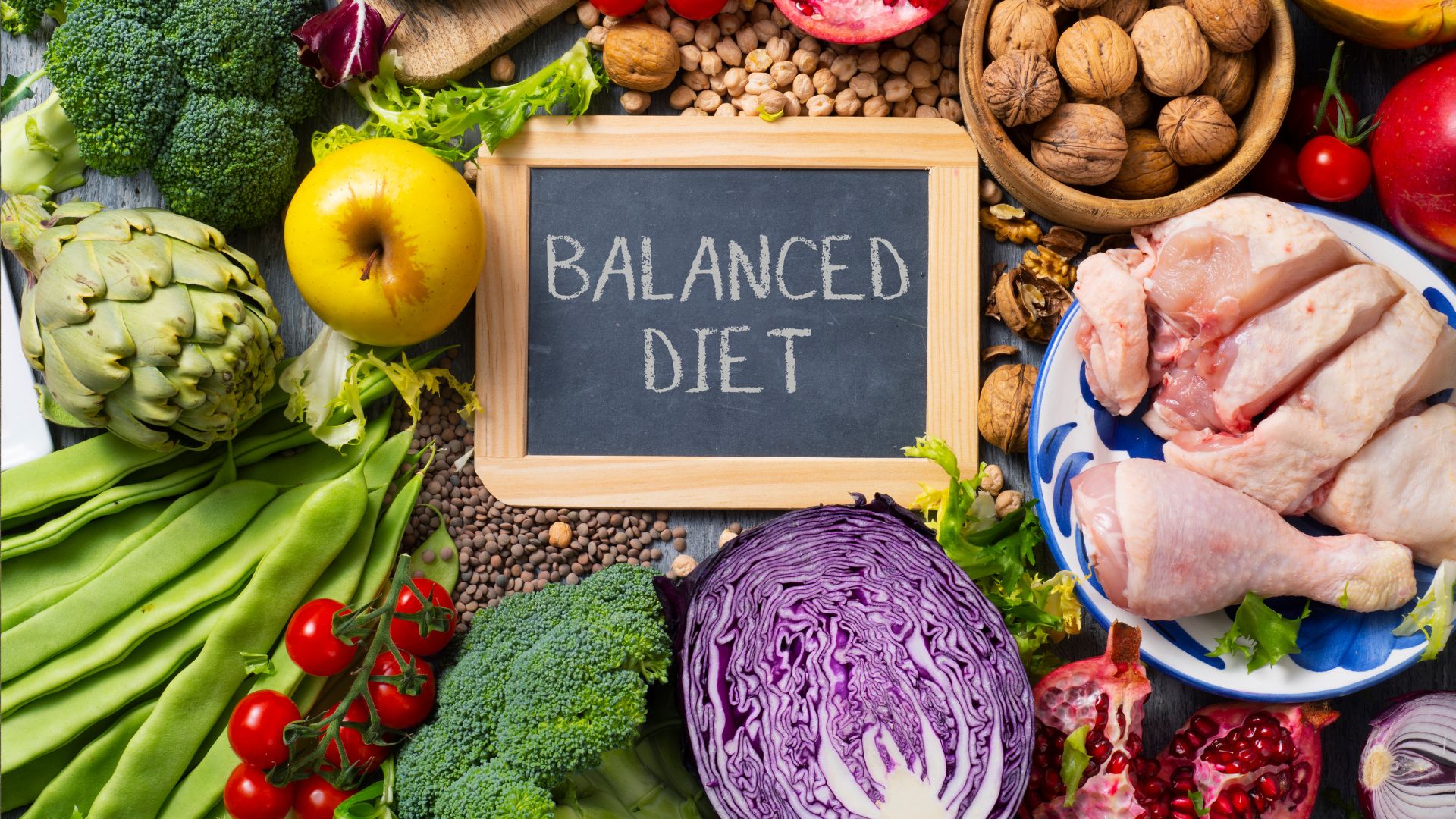
This article explores how a balanced diet impacts skin health and how proper nutrition can help you achieve naturally glowing skin.
Read Next…
- Nutrition and Skincare: How a Healthy Diet Impacts Skin Health
- The Zinc Guide: Benefits, Roles, Problems & Foods
- Zinc – The Key to Building Muscle and Getting Fit?
- The Skin: Your Largest Organ—Why You Should Be Careful What You Put on It
- Discovering Zinc’s Hidden Talents: 7 Unexpected and Amazing Benefits
🌿 Natural Daily Support for Men and Women
I like Divine Bounty supplements because they use natural ingredients instead of synthetic formulas. For people who want a cleaner option for everyday wellness support, Divine Bounty offers quality supplements designed to fit a healthy lifestyle.
Their lineup includes the popular Men’s Multivitamin, plus other supplements for men and women such as Vitamin B Complex, Digestive Enzymes, Berberine, Magnesium Citrate, Vitamin K2 + D3, and Acetyl L-Carnitine.
The Men’s Multivitamin features 24 essential vitamins and minerals plus 5 additional blends for men, all in convenient vegetarian capsules. It is also promoted as GMO free, soy free, dairy free, wheat free, and gluten free.
🛒 Shop Divine Bounty on AmazonSponsored by Terry Clark • Amazon Affiliate Partner