
Estimated reading time: 11 minutes
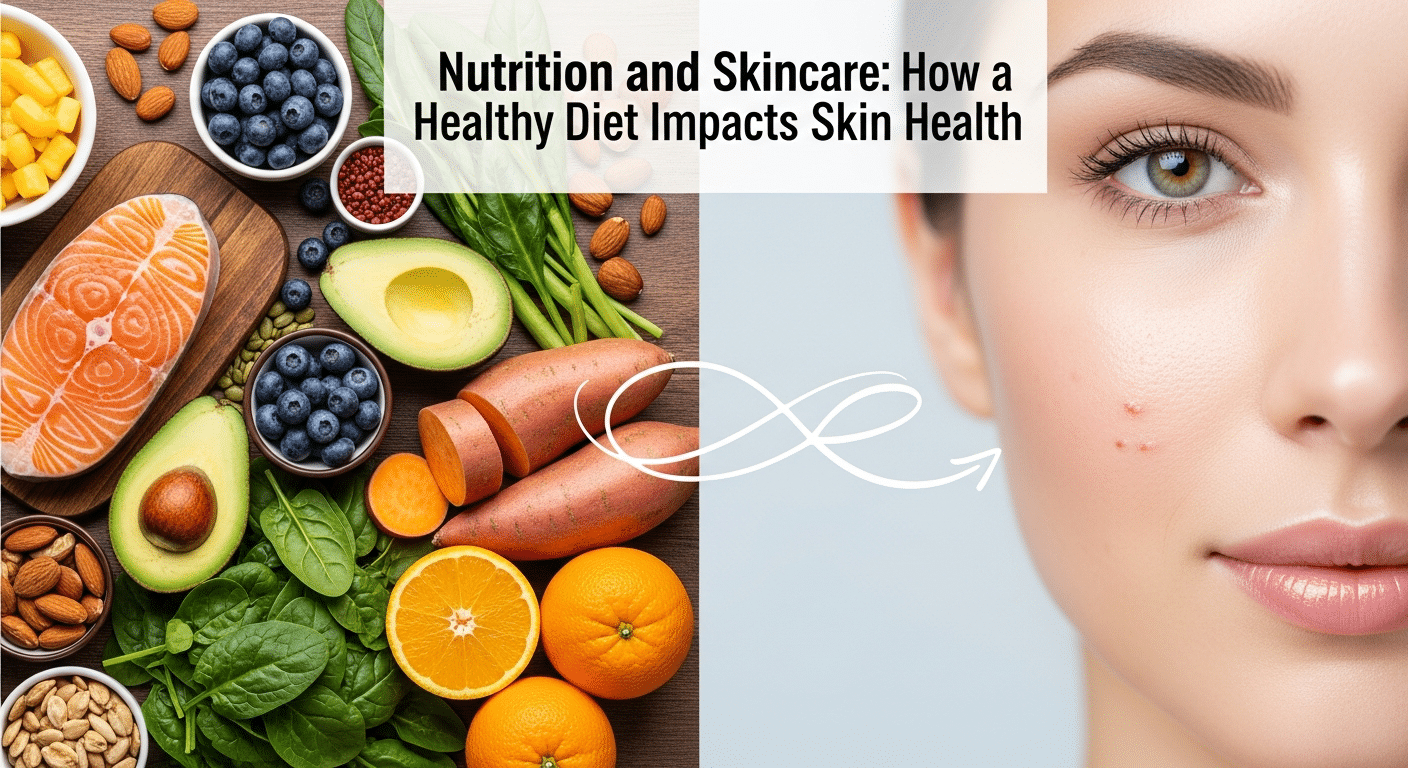
A healthy diet won’t “erase” every skin concern; genetics, hormones, environment, stress, sleep, and skincare habits all matter. Still, nutrition can measurably influence skin texture, breakouts, dryness, redness, and how well your skin bounces back after irritation. The relationship is not magical; it’s biological. Your skin needs building blocks (proteins, fats, vitamins, minerals), protective molecules (antioxidants), and a stable internal environment (balanced glucose, healthy gut function, reduced chronic inflammation). When those needs are met consistently, many people notice skin that looks calmer, brighter, and more resilient.
Skin is often treated like a standalone canvas, something you manage with cleansers, serums, and moisturizers. But your skin is also a living organ with constant turnover, immune activity, and repair work happening beneath the surface. That internal work depends heavily on what you eat, how well you hydrate, and how steady your blood sugar and inflammation levels are from day to day. In other words, skincare is not only what you put on your face; it’s also what you feed your body.
This article explores how diet affects skin health, which nutrients matter most, what eating patterns tend to support glowing skin, and how to pair nutrition with smart skincare habits for the best results.
30 seconds summary
- Your skin reflects what’s happening inside your body. A healthy diet supports skin by providing the building blocks for repair and firmness, like protein for collagen and healthy fats for a strong moisture barrier.
- Nutrients such as vitamin C, A, E, zinc, and antioxidants from colorful fruits and vegetables help protect against oxidative stress and inflammation, which can show up as dullness, redness, or breakouts. Keeping blood sugar steady by choosing high-fiber carbs over sugary, refined foods may also reduce acne in some people.
- Hydration and gut-friendly foods (fiber and fermented options) can further support calmer skin. And for best results, pair good nutrition with consistent sun protection. Many people prefer a lighter option, like a gel based sunscreen for daily wear.
The Skin’s Job, and Why Food Matters
Your skin does a lot more than “look good.” It’s a barrier organ that:
- Prevents water loss and keeps your body hydrated
- Blocks irritants, allergens, and pathogens
- Houses immune cells that react to inflammation and infection
- Produces oils (sebum) that protect and lubricate
- Contains collagen and elastin for firmness and elasticity
- Repairs itself constantly through cell turnover and wound healing
All of those functions require raw materials. Skin cells replicate rapidly, and the outermost layer (the stratum corneum) is continuously shed and rebuilt. Collagen production, lipid barrier maintenance, and antioxidant defense all rely on nutrients delivered through blood flow. If your diet is missing key components or if internal inflammation is high, your skin may become drier, more reactive, slower to heal, and more prone to breakouts or dullness.
Think of skincare products as “external support.” They can hydrate, protect, exfoliate, or target pigment. But nutrition supplies internal resources. When both are aligned, skin outcomes are usually better than either alone
Macronutrients: The Big Building Blocks
Protein: Repair, Collagen, and Skin Structure
Protein provides amino acids, essential for building skin cells and structural proteins like collagen, elastin, and keratin. Inadequate protein can contribute to slower wound healing, fragile skin, and reduced firmness over time.
You don’t need extreme protein intake, but consistent daily protein helps. Helpful sources include:
- Fish and seafood
- Eggs
- Poultry
- Yogurt, kefir, and other dairy (if tolerated)
- Soy foods (tofu, tempeh, edamame)
- Beans, lentils, chickpeas
- Nuts and seeds
A practical strategy is to include a protein source at most meals. This also helps stabilize blood sugar, which can indirectly support clearer skin.
Healthy Fats: Barrier Support and Inflammation Balance
Skin needs fats for a strong lipid barrier, one of the main defenses against dryness, irritation, and sensitivity. Certain fats also influence inflammation signaling in the body.
Omega-3 fatty acids (found in fatty fish like salmon, sardines, and mackerel, plus chia/flax/walnuts) are associated with anti-inflammatory effects and may help with dryness and redness in some people. They can also support overall barrier function, especially in dry climates or during winter.
Monounsaturated fats (olive oil, avocados, nuts) are common in Mediterranean-style diets and may support skin hydration and elasticity by supporting cellular membranes and reducing oxidative stress.
On the other hand, very high intake of certain highly processed fats (especially trans fats, and sometimes excessive omega-6-rich processed oils without omega-3 balance) may tilt the body toward a more inflammatory state, though real-life results depend on the overall pattern of the diet.
Carbohydrates: The Glycemic Connection
Carbs are not “bad,” but the type and timing can matter for skin.
High-glycemic foods, those that spike blood sugar quickly (like sugary drinks, candy, refined pastries, many ultra-processed snacks), can increase insulin and insulin-like growth factor (IGF-1). In some people, that hormonal shift may increase sebum production and influence acne pathways. Not everyone is equally sensitive, but it’s common to see breakouts worsen when the diet becomes heavy in refined carbs and sugary foods.
Micronutrients That Matter Most for Skin
Vitamin C: Collagen Support and Brightness
Vitamin C is essential for collagen synthesis and has antioxidant activity. It helps protect skin from oxidative damage and supports wound healing. People often think of vitamin C as purely a topical serum ingredient, but dietary vitamin C supports the same biological systems.
Food sources: citrus fruits, strawberries, kiwi, bell peppers, broccoli, Brussels sprouts.
Vitamin A: Cell Turnover and Barrier Function
Vitamin A plays a role in skin cell growth and differentiation. It’s connected to the idea of “retinoids” in skincare (which are vitamin A derivatives). Dietary vitamin A supports normal skin turnover and immune function.
Food sources: liver (very high), eggs and dairy (retinol forms), and orange/green produce like sweet potatoes, carrots, spinach, and kale (beta-carotene forms).
Important note: high-dose vitamin A supplements can be harmful, especially in pregnancy. Food sources are generally safer than megadoses.
Vitamin E: Lipid Protection
Vitamin E is a fat-soluble antioxidant that helps protect cell membranes and skin lipids from oxidative stress. It often works in synergy with vitamin C.
Food sources: almonds, sunflower seeds, hazelnuts, avocado, olive oil, spinach.
Zinc: Healing and Oil Gland Regulation
Zinc is involved in wound healing, immune balance, and inflammation. Some research and clinical experience suggest zinc status may influence acne severity for certain people.
Food sources: oysters (very high), beef, pumpkin seeds, lentils, chickpeas, dairy.
Selenium: Antioxidant Systems
Selenium supports antioxidant enzymes that help protect cells from damage. It’s needed in small amounts, too much can cause problems,so food is usually the best approach.
Food sources: Brazil nuts (extremely high, one nut may cover daily needs), seafood, eggs, whole grains.
Copper and Iron: Collagen and Oxygen Delivery
Copper plays a role in collagen cross-linking and skin integrity. Iron supports oxygen transport; low iron can contribute to pallor and fatigue, indirectly affecting skin appearance.
Food sources: copper (shellfish, nuts, seeds, cocoa), iron (red meat, beans, lentils, spinach; pair plant iron with vitamin C for better absorption).
Antioxidants, Free Radicals, and “Skin Aging”
Everyday life exposes skin to oxidative stress: UV rays, air pollution, smoke, inflammation, and even normal metabolism generate reactive molecules (often called free radicals). Over time, excess oxidative stress can damage collagen and elastin, contributing to premature aging signs like fine lines, uneven tone, and loss of firmness.
Antioxidants from food help your body neutralize oxidative stress. They don’t make you immune to sun damage, but they can support your skin’s defense and recovery systems.
Key antioxidant-rich foods include:
- Deeply colored berries (anthocyanins)
- Tomatoes (lycopene)
- Green tea (catechins)
- Dark leafy greens (carotenoids)
- Cocoa (flavanols, in moderation)
- Herbs and spices (polyphenols), like turmeric and oregano
A useful rule: eat the rainbow across the week. Diverse plant pigments often signal diverse protective compounds.
Hydration and the Skin Barrier
Hydration is more than “drink water and your skin will glow,” but it does matter, especially for dryness and barrier function. Your skin’s outer layer holds water using natural moisturizing factors (NMFs) and protective lipids. When you’re under-hydrated or when barrier lipids are compromised, skin can look dull and feel tight.
Hydration support includes:
- Adequate water intake (needs vary by body size, activity, climate)
- Water-rich foods (cucumbers, oranges, melons, soups)
- Balanced electrolytes (sodium, potassium, magnesium)
- A diet that supports barrier lipids (healthy fats)
If your skin is chronically dry, hydration alone may not fix it. You often need both: internal hydration + topical barrier support (moisturizers with ceramides, glycerin, hyaluronic acid, petrolatum/occlusives as needed).
The Gut–Skin Axis: Why Digestion Shows Up on Your Face
The gut and skin communicate through immune signaling, inflammation pathways, and the microbiome. When gut health is disrupted, through chronic stress, low fiber intake, excessive ultra-processed foods, or certain intolerances, some people notice changes in the skin: breakouts, redness, irritation, or flare-ups of inflammatory conditions.
While the science is still evolving, common supportive strategies include:
- More fiber (beans, lentils, vegetables, fruits, whole grains) to feed beneficial gut bacteria
- Fermented foods (yogurt, kefir, kimchi, sauerkraut, miso) if tolerated
- Consistent meals that stabilize blood sugar and reduce stress on digestion
- Limiting excess alcohol and heavily processed foods that can irritate the gut lining in some people
Probiotics may help certain individuals (especially with acne or eczema tendencies), but results are strain-specific and not guaranteed. Often, the foundation, fiber + whole foods, matters more than a single supplement.
Dairy (for Some People)
Some people notice acne worsens with certain dairy, particularly skim milk. The mechanism may involve hormones and growth factors. But it’s not universal; many people tolerate dairy without skin issues. If you suspect dairy is a trigger, a time-limited trial (with careful nutrition replacement) can help clarify. Don’t remove whole food groups long-term without ensuring you still get calcium, vitamin D, and protein.
Other potential triggers for certain individuals: whey protein supplements, very high saturated fat intake, and highly processed “junk food” patterns. The key is personalization: observe your own skin over weeks, not days.
Inflammatory Skin Conditions: Redness, Eczema, and Sensitivity
Conditions like eczema (atopic dermatitis), rosacea, and psoriasis involve immune dysregulation and inflammation. Diet won’t replace medical treatment, but it can support overall inflammatory balance.
Common nutrition strategies that may help support calmer skin (individual results vary):
- Emphasize omega-3 sources (fatty fish, chia/flax)
- Increase colorful plants and antioxidant intake
- Minimize excessive alcohol and ultra-processed foods
- Ensure adequate vitamin D (through safe sun exposure, food, or clinician-guided supplementation)
- Identify personal triggers (spicy foods and alcohol often worsen rosacea in some people.
Lifestyle Amplifiers: Sleep, Stress, and Sun Exposure
Even a perfect diet can be undermined by chronic stress, poor sleep, and high UV exposure.
- Sleep is when growth hormone supports tissue repair. Poor sleep increases cortisol and can worsen inflammation and breakouts.
- Stress affects hormones and gut function, and it can flare acne, eczema, and psoriasis.
- UV exposure is a dominant driver of premature aging and hyperpigmentation. Nutrition can support antioxidant defenses, but it cannot “cancel out” sun damage.
Pairing Diet with Skincare: The Practical Synergy
A healthy diet supports your skin from within, but external habits still matter. A simple, consistent routine often works better than an overloaded one:
- Gentle cleansing to remove sunscreen, oil, and pollution without stripping the barrier
- Moisturizing to support barrier lipids and hydration
- Sun protection every morning (and reapplication when outdoors)
Daily sun protection is especially important because UV damage can outpace the benefits you get from nutrition. If you have oily or acne-prone skin and dislike heavy products, a gel based spf 60 sunscreen can feel lighter while still offering protection, making it easier to stay consistent.
If you’re investing in “skin foods” like berries, fatty fish, and leafy greens, protecting that skin with sunscreen is the natural next step.
What a Skin-Supportive Diet Looks Like Day to Day
You don’t need a rigid plan. The most skin-friendly diets tend to share features:
- Plenty of colorful vegetables and fruits
- Adequate protein
- Healthy fats (especially omega-3s and olive oil)
- High-fiber carbs (beans, whole grains) instead of refined carbs
- Minimal ultra-processed foods and sugary drinks
- Hydration habits that match your lifestyle
Here are sample day ideas (mix and match):
Breakfast
- Greek yogurt or soy yogurt + berries + chia seeds
- Oatmeal with walnuts, cinnamon, and sliced fruit
- Eggs with sautéed greens and whole-grain toast
Lunch
- Salmon or tofu salad with olive oil + lemon dressing
- Lentil soup with a side of mixed greens
- Grain bowl: quinoa + beans + roasted vegetables + avocado
Snack
- Apple with peanut butter
- Carrots and hummus
- Handful of nuts + fruit
Dinner
- Sardines or trout with roasted vegetables
- Chicken/tempeh stir-fry with colorful veggies
- Bean chili with tomatoes, peppers, and leafy greens on the side
Common Myths and More Realistic Expectations
Myth: “One superfood will fix your skin.”
Reality: Skin responds to patterns—what you do most days—not one miracle ingredient.
Myth: “More water always means better skin.”
Reality: Hydration helps, but barrier health, fats, and inflammation matter too.
Myth: “Clean eating guarantees perfect skin.”
Reality: Hormones, genetics, stress, and skincare products can still cause breakouts or sensitivity.
Myth: “Supplements are required.”
Reality: Many people can meet skin-supportive needs through food. Supplements may help in specific deficiencies or circumstances, ideally guided by a clinician.
Also, skin change takes time. Because skin turnover takes weeks, nutrition shifts usually show up gradually. It’s more like steering a ship than flipping a switch.
Conclusion
Healthy skin is built, defended, and repaired from the inside out. Nutrition influences the materials your skin uses to stay firm and hydrated (protein and fats), the signals that drive inflammation and oil production (glycemic load, omega balance), and the protective systems that defend against oxidative stress (antioxidants, vitamins, minerals). When your diet emphasizes whole foods, especially colorful plants, adequate protein, and healthy fats, many people see improvements in texture, glow, and resilience.
At the same time, nutrition works best when paired with a simple external routine: gentle cleansing, barrier-supporting moisture, and consistent sunscreen. Diet can support collagen and reduce inflammation, but sun protection prevents the kind of damage that no smoothie can undo. Put together, those habits form a practical, science-aligned strategy for skin that looks healthier and acts healthier, too.
Read Next…
- Collagen Protein – Try for Your Health and Fitness Goals
- The Impact of Mental Health on Fitness Goals: How to Stay Motivated and Consistent
- 5 Things That Prevent You From Building Muscle
- 7 Natural Supplements Every Woman Should Know About
- Unlock Muscle Gains: 5 Top Proteins You Aren’t Eating Yet!
🌿 Natural Daily Support for Men and Women
I like Divine Bounty supplements because they use natural ingredients instead of synthetic formulas. For people who want a cleaner option for everyday wellness support, Divine Bounty offers quality supplements designed to fit a healthy lifestyle.
Their lineup includes the popular Men’s Multivitamin, plus other supplements for men and women such as Vitamin B Complex, Digestive Enzymes, Berberine, Magnesium Citrate, Vitamin K2 + D3, and Acetyl L-Carnitine.
The Men’s Multivitamin features 24 essential vitamins and minerals plus 5 additional blends for men, all in convenient vegetarian capsules. It is also promoted as GMO free, soy free, dairy free, wheat free, and gluten free.
🛒 Shop Divine Bounty on AmazonSponsored by Terry Clark • Amazon Affiliate Partner