When it comes to losing fat, the internet is full of conflicting advice about meal timing vs frequency:
“Eat six meals a day.”
“Skip breakfast.”
“Only eat between 12 and 8.”
So what’s the truth behind meal timing vs frequency—and which one matters more for fat loss?
Let’s cut through the myths with math, biology, and practical advice.
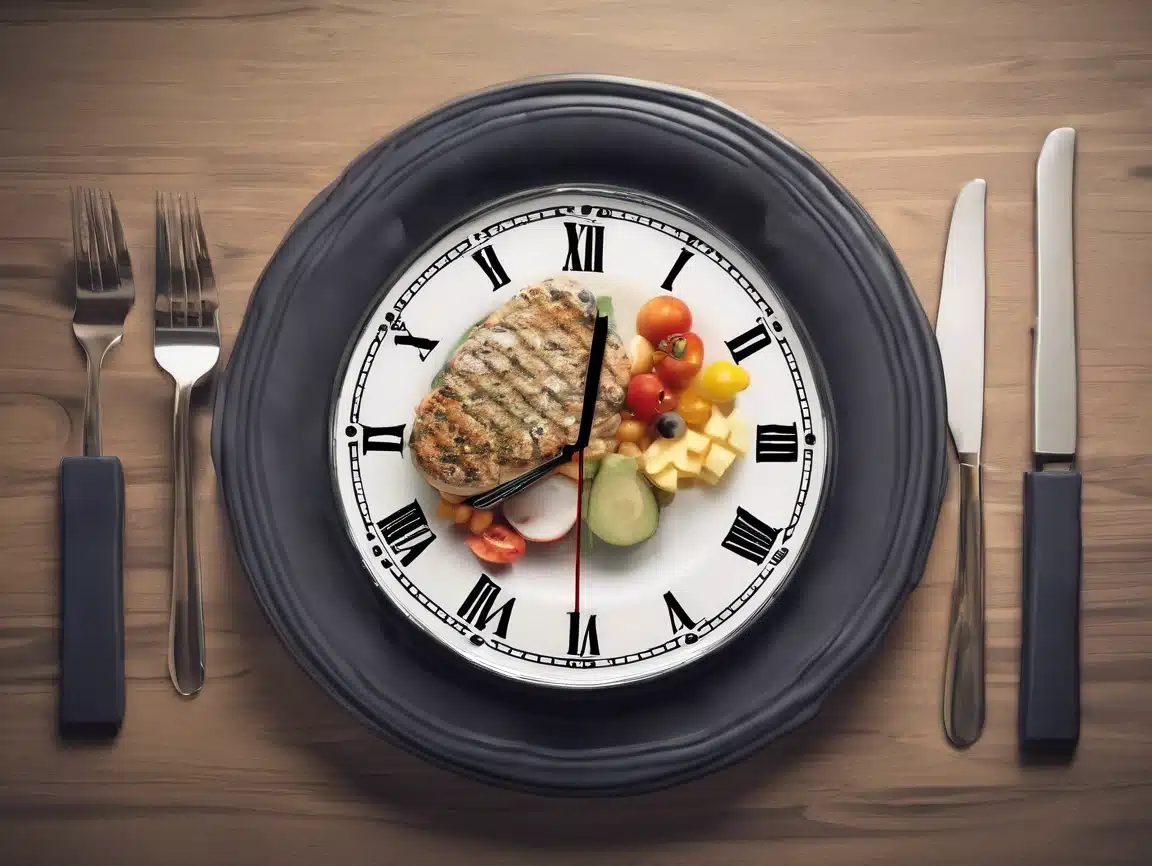
⏰ What Is Meal Timing vs Meal Frequency?
- Meal timing = When you eat (e.g., eating early, skipping breakfast, fasting)
- Meal frequency = How often you eat (e.g., 3 vs. 6 meals per day)
Both affect your metabolism, hunger, and fat-burning hormones—but only one significantly affects fat loss.
🔥 Does Meal Frequency Boost Metabolism?
No. That’s a myth.
Eating more often does not increase your metabolic rate. The thermic effect of food (TEF)—the energy your body uses to digest food—is based on total calories, not frequency.
Example:
- 3 meals of 600 calories = 1800 calories
- 6 meals of 300 calories = 1800 calories
➡ TEF is the same for both.
What does matter is whether the frequency helps you stay in a calorie deficit without hunger or cravings.
📆 Does Meal Timing Affect Fat Loss?
Yes—but indirectly.
Timing can influence your hormones, sleep, and energy levels. Research shows:
- Late-night eating can impair fat loss by disrupting insulin and melatonin.
- Early time-restricted eating (like eating only between 8am–4pm) improves insulin sensitivity and fat oxidation.
A 2020 study found that people who ate earlier in the day lost more fat—even when calories were matched.
So while meal timing doesn’t override calories, it helps your body work with fat loss, not against it.
⚖️ Which Matters More: Timing or Frequency?
The real answer: Whichever helps you stick to your calorie deficit best.
Let’s break it down:
| Factor | Weight Loss Impact | Best For |
|---|---|---|
| Meal Frequency | Low to Moderate | People who need structure or have blood sugar issues |
| Meal Timing | Moderate | People with hormone imbalances, poor sleep, or cravings |
🧠 How to Use Meal Timing vs Frequency to Your Advantage
🎯 1. Choose a Meal Frequency That Matches Your Lifestyle
- 3 meals a day: Simpler, supports digestion and satiety.
- 5–6 smaller meals: May help if you feel hungry often.
- 2 meals (OMAD or 16:8): Good for those practicing intermittent fasting.
Just don’t force a pattern that makes you overeat later.
🕒 2. Align Meal Timing With Your Circadian Rhythm
Eat when your metabolism is most active—typically during daylight.
- Eat the majority of your calories earlier in the day.
- Avoid high-calorie meals after 8 pm if possible.
A calorie at 8 am is more metabolically efficient than the same calorie at 10 pm.
🧮 A Math-Based Look at Timing vs Frequency
Scenario A – 6 meals/day:
✅ Easier blood sugar control
⚠️ Time-consuming
⚠️ Risk of “grazing” and overeating
➡ Adherence score: 6/10
Scenario B – 2 meals/day (Intermittent Fasting):
✅ Simple
✅ Appetite regulation via longer fast
⚠️ May cause overeating if not structured
➡ Adherence score: 8/10
So the better strategy depends on your ability to stick with it over time.
🧩 What’s the Best Strategy for Fat Loss?
- Calories come first – No timing or frequency trick works if you’re eating too much.
- Meal timing enhances fat loss when aligned with your circadian rhythm.
- Meal frequency should be adjusted to hunger, schedule, and energy levels.
Here’s a sample strategy:
| Time | Meal | Notes |
|---|---|---|
| 8:00 AM | High-protein breakfast | Controls morning hunger and jumpstarts metabolism |
| 1:00 PM | Balanced lunch | Fiber + lean protein = sustained energy |
| 6:30 PM | Light dinner | Helps sleep and prevents late-night cravings |
🤔 Common Questions About Meal Timing and Frequency
Q: Should I skip breakfast to lose weight?
A: Only if it helps you eat fewer calories overall. Otherwise, eat a high-protein breakfast.
Q: Is eating late at night bad?
A: It doesn’t directly cause weight gain, but it’s linked to higher hunger and poorer food choices.
Q: Can I build muscle with fewer meals?
A: Yes, as long as you hit your total protein and calories for the day.
💡 Key Takeaways
- Meal timing vs frequency is less about magic and more about adherence.
- Align meal timing with your natural rhythm for better fat-burning.
- Choose a frequency that controls hunger and fits your life.
- Always prioritize a calorie deficit and protein intake first.
- Why Soreness Doesn’t Mean Muscle Growth
- FaithnFit: Where Faith Meets Fitness Through Biblical Wisdom and Science
- Sowing and Reaping Health: How Galatians 6:7 Aligns With Science and Fitness
- Christian Fitness Motivation That Lasts
- Faith and Fitness: A Biblical Guide to Healthy Living
🌿 Natural Daily Support for Men and Women
I like Divine Bounty supplements because they use natural ingredients instead of synthetic formulas. For people who want a cleaner option for everyday wellness support, Divine Bounty offers quality supplements designed to fit a healthy lifestyle.
Their lineup includes the popular Men’s Multivitamin, plus other supplements for men and women such as Vitamin B Complex, Digestive Enzymes, Berberine, Magnesium Citrate, Vitamin K2 + D3, and Acetyl L-Carnitine.
The Men’s Multivitamin features 24 essential vitamins and minerals plus 5 additional blends for men, all in convenient vegetarian capsules. It is also promoted as GMO free, soy free, dairy free, wheat free, and gluten free.
🛒 Shop Divine Bounty on AmazonSponsored by Terry Clark • Amazon Affiliate Partner