Estimated reading time: 5 minutes
A 2,400-Year-Old Idea That Still Works. “Let food be thy medicine and medicine be thy food”— Hippocrates, Father of Medicine. More than two millennia ago, Hippocrates laid the foundation for a health philosophy that modern science is finally rediscovering. While technology, pharmaceuticals, and advanced medical interventions have saved countless lives, chronic disease continues to rise—obesity, diabetes, heart disease, autoimmune disorders, depression, and digestive dysfunction are now common, not rare.
This raises an uncomfortable but necessary question:
Have we drifted too far from the basics?
Hippocrates believed the body has an innate ability to heal itself when supported correctly. Food was not merely fuel or pleasure—it was information, medicine, and prevention. Today, this idea is no longer philosophical—it’s biological, biochemical, and evidence-based.
This article explores how to actually live by Hippocrates’ principle in a modern world flooded with ultra-processed foods, conflicting nutrition advice, and symptom-focused medicine.
What Hippocrates Really Meant (And What He Didn’t)
Hippocrates did not mean:
- Never use doctors
- Never take medication
- Food cures everything instantly
He did mean:
- Chronic illness begins long before symptoms appear
- Lifestyle creates disease—or prevents it
- Food influences digestion, inflammation, immunity, mood, and longevity
- Treat the cause, not just the symptom
Hippocrates practiced root-cause medicine, emphasizing:
Sound familiar? It should—this mirrors modern functional medicine, integrative nutrition, and lifestyle medicine.
Food as Information, Not Just Calories
Modern nutrition has reduced food to numbers:
- Calories
- Macros
- Labels
- Percentages
But food is far more than math.
Food communicates with your body at the cellular level:
- It turns genes on or off (epigenetics)
- It influences hormones like insulin, cortisol, testosterone, and estrogen
- It controls inflammation and immune signaling
- It feeds or starves your gut microbiome
Example:
- Ultra-processed food → inflammation → insulin resistance → fatigue → disease
- Whole, nutrient-dense food → metabolic efficiency → energy → resilience
Hippocrates understood this intuitively. Today, science confirms it.
The Modern Problem: Medicine as a Replacement for Lifestyle
One of the biggest departures from Hippocratic wisdom is how medicine is used today.
Modern model:
- Feel bad → diagnose → prescribe → repeat
Hippocratic model:
- Observe → adjust lifestyle → support systems → restore balance
Medication can be lifesaving, but it is often used as a substitute for behavior change, not a support for it.
Consider:
- Blood pressure medication without dietary sodium control
- Diabetes medication without carbohydrate awareness
- Antidepressants without addressing sleep, sunlight, movement, or nutrition
- Acid reducers without fixing poor digestion or food quality
Hippocrates warned against this indirectly:
If the input doesn’t change, the outcome won’t either.
Food as Preventative Medicine
The most powerful medicine is the one you never need.
Food prevents disease by:
- Reducing chronic inflammation
- Stabilizing blood sugar
- Supporting detoxification (liver & kidneys)
- Feeding beneficial gut bacteria
- Supplying micronutrients required for repair
Foods That Act Like Medicine:
- Leafy greens → nitric oxide, mineral balance
- Cruciferous vegetables → detox enzymes
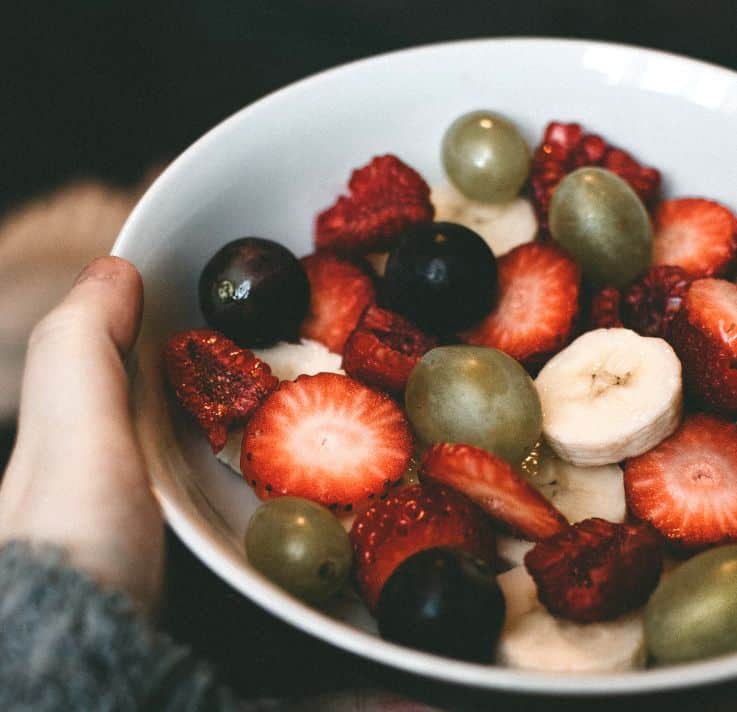
- Berries → antioxidant protection
- Fermented foods → gut and immune health
- Eggs → choline for brain and liver
- Fish → omega-3s for inflammation control
- Herbs and spices → antimicrobial and anti-inflammatory compounds
This isn’t trendy—it’s ancient.
The Gut: Where Hippocrates Was Most Right
Hippocrates famously said:
“All disease begins in the gut.”
Modern research agrees.
Your gut:
- Houses ~70% of your immune system
- Produces neurotransmitters like serotonin
- Regulates inflammation
- Determines nutrient absorption
Poor diet → gut dysfunction → systemic illness
Highly processed foods damage:
- Gut lining
- Microbiome diversity
- Digestive enzyme output
Whole foods restore:
- Barrier integrity
- Microbial balance
- Immune tolerance
This is why real food improves conditions far beyond digestion—skin, mood, joints, hormones, and cognition all improve when the gut heals.
“Medicine Be Your Food”: When Food Replaces Pills
Many common conditions respond dramatically to dietary change:
| Condition | Food-Based Strategy |
|---|---|
| Prediabetes | Carbohydrate control, fiber, protein |
| High blood pressure | Potassium, magnesium, sodium balance |
| Acid reflux | Improved digestion, food quality |
| Joint pain | Anti-inflammatory fats, micronutrients |
| Fatigue | Iron, B-vitamins, sleep-supportive foods |
| Depression | Omega-3s, gut health, stable glucose |
This does not mean food is magic—it means the body heals when obstacles are removed.
Balance Matters: Hippocrates Was Not an Extremist
One of the most overlooked parts of Hippocratic philosophy is moderation.
He did not advocate:
- Starvation
- Overeating
- Obsession
- Food fear
He believed in:
- Seasonal eating
- Listening to appetite
- Matching food to activity
- Adjusting intake to age and health
Modern extremes—whether hyper-restriction or constant indulgence—both violate this principle.
Real Food vs Chemical Food
Hippocrates practiced medicine in a world without:
- Artificial dyes
- Seed oils
- Preservatives
- Flavor enhancers
- Ultra-processed snacks
Today, many “foods” were never alive—or are so altered they no longer resemble food.
A simple Hippocratic rule still works:
If your great-grandparents wouldn’t recognize it as food, your body probably won’t either.
Practical Rules to Live by Hippocrates Today
1. Eat foods that were once alive
Plants, animals, fungi—real biology, not chemistry.
2. Prioritize digestion over perfection
A “perfect” diet poorly digested still fails.
3. Use medication wisely—not automatically
Medication can help, but lifestyle should lead.
4. Eat to support function, not just taste
Energy, clarity, mood, recovery—all matter.
5. Adjust, don’t idolize
No food works for everyone forever.
Faith, Wisdom, and the Hippocratic Parallel
Hippocrates’ ideas align closely with ancient spiritual wisdom:
- Stewardship of the body
- Self-discipline
- Respect for natural law
- Prevention over repair
Health is not random—it is cultivated.
Final Thoughts: Ancient Wisdom, Modern Responsibility
Hippocrates gave humanity a blueprint—not a prescription pad.
In a world where:
- Chronic illness is normalized
- Medication is overused
- Convenience trumps nourishment
Returning to food as medicine is not radical—it is responsible.
You don’t need perfection.
You need awareness, consistency, and respect for biology.
When food becomes your medicine, you don’t just live longer—you live better.
Read Next…
- The Role of Functional Medicine in Enhancing Athletic Performance and Recovery
- Food as Medicine – How to Eat Your Way to Better Health
- The Best Medicine Ball Exercises for Your Body
- Myths About How Traditional Alternative Medicine Works
- How to Use Outcome Metrics to Evaluate Your Health, Fitness, and Lifestyle
🌿 Natural Daily Support for Men and Women
I like Divine Bounty supplements because they use natural ingredients instead of synthetic formulas. For people who want a cleaner option for everyday wellness support, Divine Bounty offers quality supplements designed to fit a healthy lifestyle.
Their lineup includes the popular Men’s Multivitamin, plus other supplements for men and women such as Vitamin B Complex, Digestive Enzymes, Berberine, Magnesium Citrate, Vitamin K2 + D3, and Acetyl L-Carnitine.
The Men’s Multivitamin features 24 essential vitamins and minerals plus 5 additional blends for men, all in convenient vegetarian capsules. It is also promoted as GMO free, soy free, dairy free, wheat free, and gluten free.
🛒 Shop Divine Bounty on AmazonSponsored by Terry Clark • Amazon Affiliate Partner