
Estimated reading time: 6 minutes
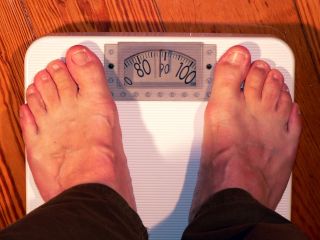
Stepping on the scale should be simple. You step on, get a number, and move on with your day. But then it happens. You buy a new scale… and suddenly your weight is different. Now you’re questioning everything:
- Did I gain weight overnight?
- Was my old scale wrong?
- Which number is real?
Here’s the truth most people don’t realize:
Scales are tools—not absolute truth.
And switching scales can easily create confusion if you don’t understand how they work.
Why Your New Scale Reads Different

4
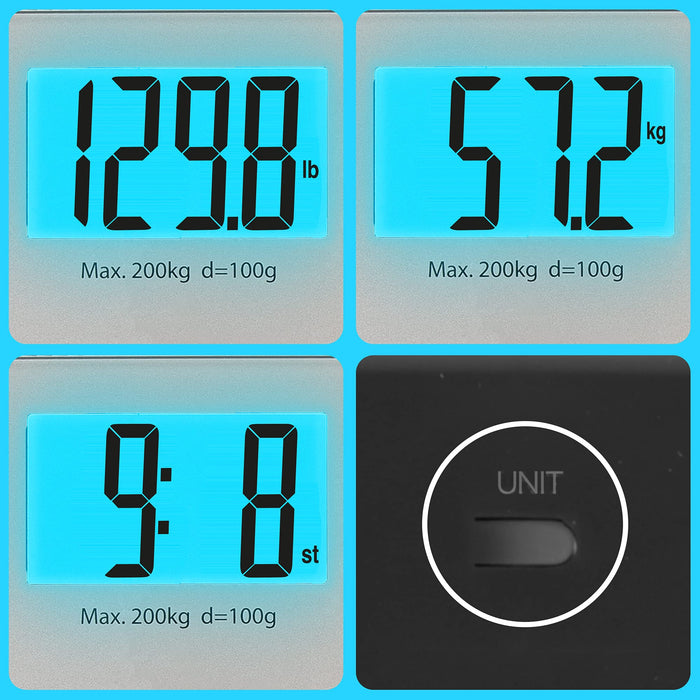
If your new scale shows a different number than your old one, there are several reasons why:
1. Calibration Differences
Each scale is calibrated slightly differently at the factory. Even high-quality scales can vary by a few pounds.
2. Sensor Sensitivity
Newer scales often use more precise sensors, which can detect smaller fluctuations.
3. Surface and Placement
Carpet vs hardwood, uneven floors, or even tile seams can change readings.
4. Scale Age and Wear
Older scales may drift over time and lose accuracy.
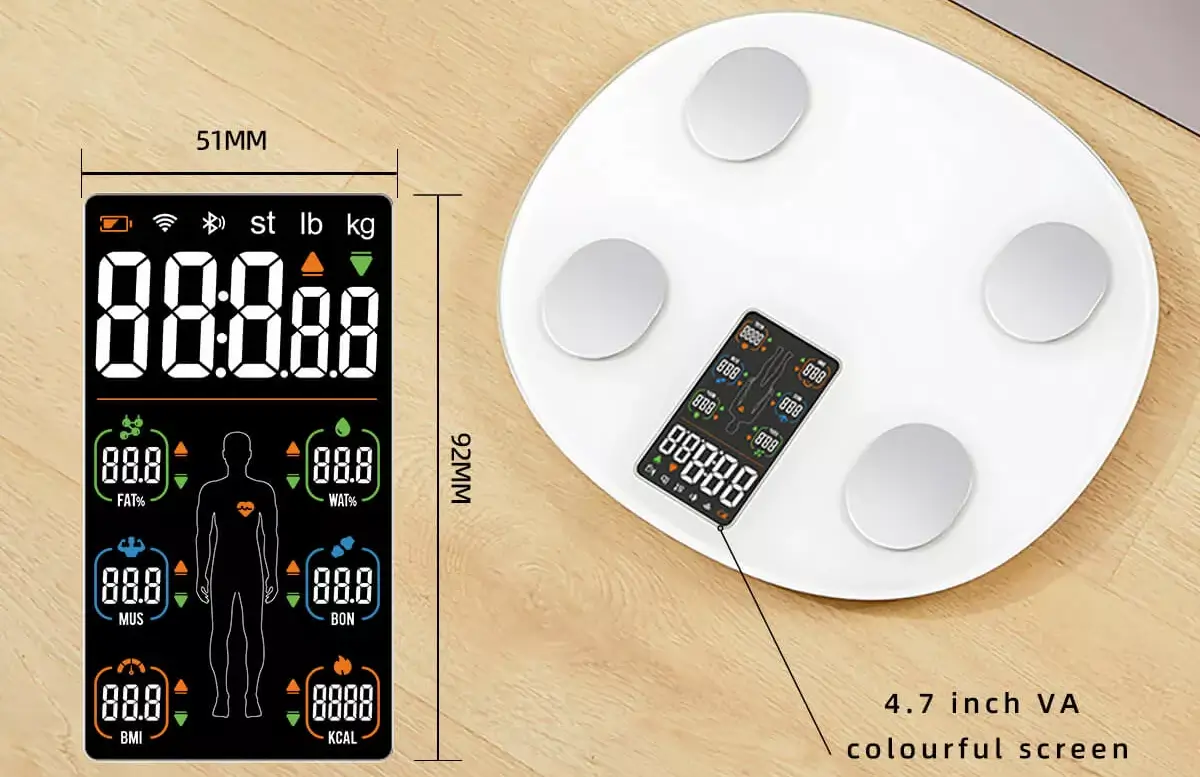
5. Internal Algorithms
Smart scales estimate body composition differently, which can affect displayed weight.
Which Scale Is Correct?
The honest answer:
Both—and neither.
Your weight hasn’t suddenly changed because you bought a new scale.
What changed is the measurement system.
Think of it like using two rulers that are slightly different. The measurement may vary, but the object hasn’t changed.
The Real Problem: Switching Reference Points
Your progress is not based on a number—it’s based on change over time.
When you switch scales, you change your baseline.
That’s where confusion begins.
For example:
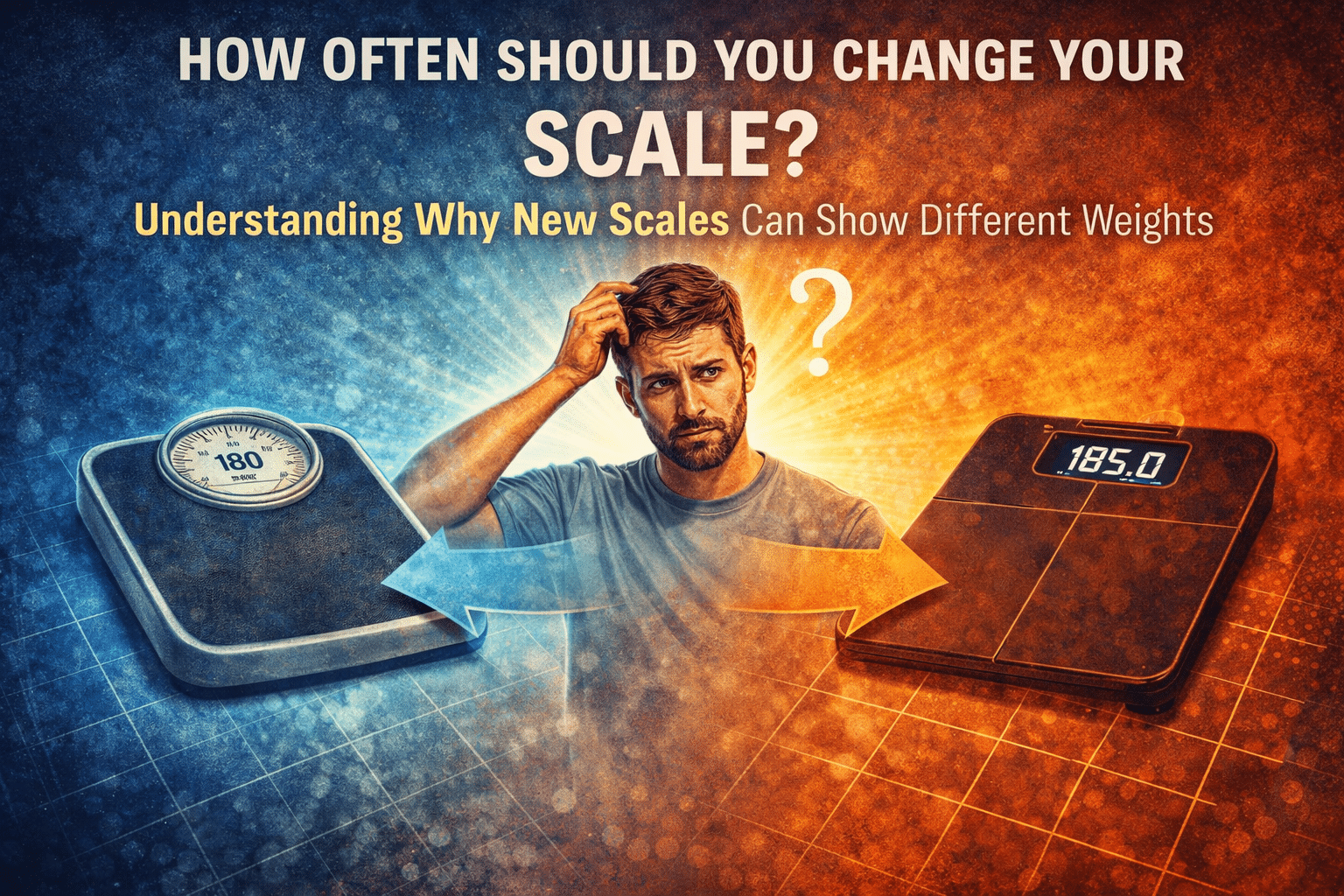
- Old scale: 180 lbs
- New scale: 185 lbs
You didn’t gain 5 pounds. You changed your measuring tool.
How Often Should You Change Your Scale?
In most cases:
You shouldn’t change your scale often at all.
Consistency matters more than accuracy.
Ideal Rule:
- Use the same scale
- In the same location
- At the same time of day
This creates reliable trends.
When You Should Replace Your Scale
There are a few situations where changing your scale makes sense:
1. It’s Clearly Inaccurate
If readings fluctuate wildly within minutes, it’s time for a replacement.
2. It’s Physically Damaged
Cracks, sensor issues, or display problems can affect accuracy.
3. You Need Better Tracking
Upgrading to a smart scale for additional metrics (body fat, muscle mass, etc.) can be useful.
4. It’s Very Old
Technology improves. Older scales may not be as reliable.
How to Transition to a New Scale Properly


4
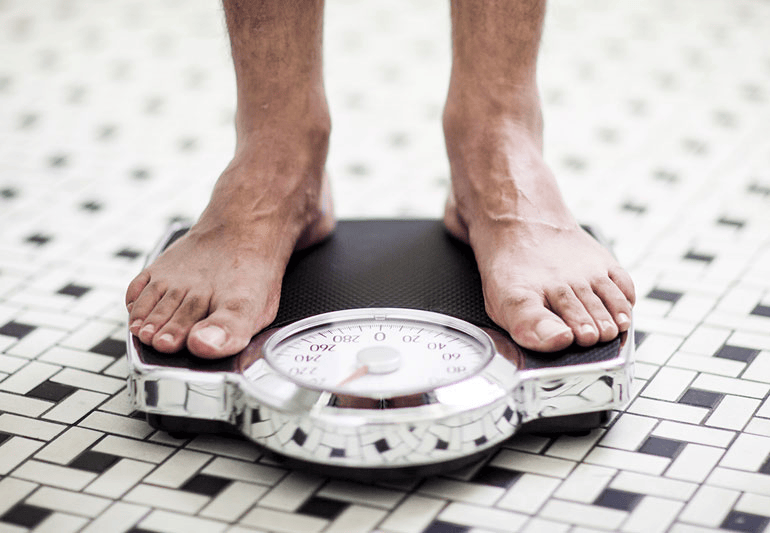
If you decide to switch scales, here’s how to avoid confusion:
Step 1: Establish a New Baseline
Weigh yourself several times over a few days and take the average.
Step 2: Ignore the Old Number
Do not compare your new scale to your old one.
Step 3: Track Trends, Not Single Readings
Focus on whether your weight is going up or down over time.
Step 4: Stay Consistent
Same time, same conditions, every measurement.
The Scale Is Only One Data Point
The biggest mistake people make is treating the scale as the ultimate measure of success.
But your weight includes:
That number can fluctuate daily—even hourly.
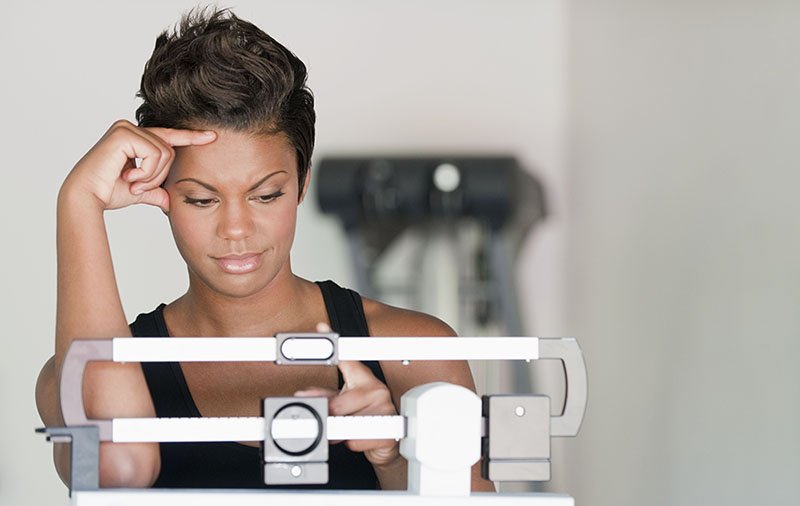
The Hidden Danger: Obsessing Over the Scale

4
Switching scales often leads to something more serious:
Scale obsession.
When numbers don’t match expectations, people may:
- Weigh themselves multiple times per day
- Panic over small changes
- Over-restrict food
- Lose motivation
This creates an unhealthy relationship with progress.
Better Ways to Measure Progress
To get a complete picture of your health and fitness, track more than just weight:
- Waist measurements
- Progress photos
- Strength levels
- Energy and performance
- How your clothes fit
These indicators often show progress that the scale cannot.
The Truth About Your Weight
Your weight is not a fixed number—it’s a moving range.
It can fluctuate due to:
- Water retention
- Sodium intake
- Hormonal changes
- Sleep quality
- Stress levels
A difference of 2–5 pounds in a day is completely normal.
Final Thoughts
You don’t need a new scale—you need a consistent one.
Switching scales can create confusion, frustration, and unnecessary doubt.
The goal is not to chase a perfect number.
The goal is to track progress over time.
Because at the end of the day, your scale doesn’t define your success—your habits do.
Read Next…
🌿 Natural Daily Support for Men and Women
I like Divine Bounty supplements because they use natural ingredients instead of synthetic formulas. For people who want a cleaner option for everyday wellness support, Divine Bounty offers quality supplements designed to fit a healthy lifestyle.
Their lineup includes the popular Men’s Multivitamin, plus other supplements for men and women such as Vitamin B Complex, Digestive Enzymes, Berberine, Magnesium Citrate, Vitamin K2 + D3, and Acetyl L-Carnitine.
The Men’s Multivitamin features 24 essential vitamins and minerals plus 5 additional blends for men, all in convenient vegetarian capsules. It is also promoted as GMO free, soy free, dairy free, wheat free, and gluten free.
🛒 Shop Divine Bounty on AmazonSponsored by Terry Clark • Amazon Affiliate Partner