Estimated reading time: 7 minutes
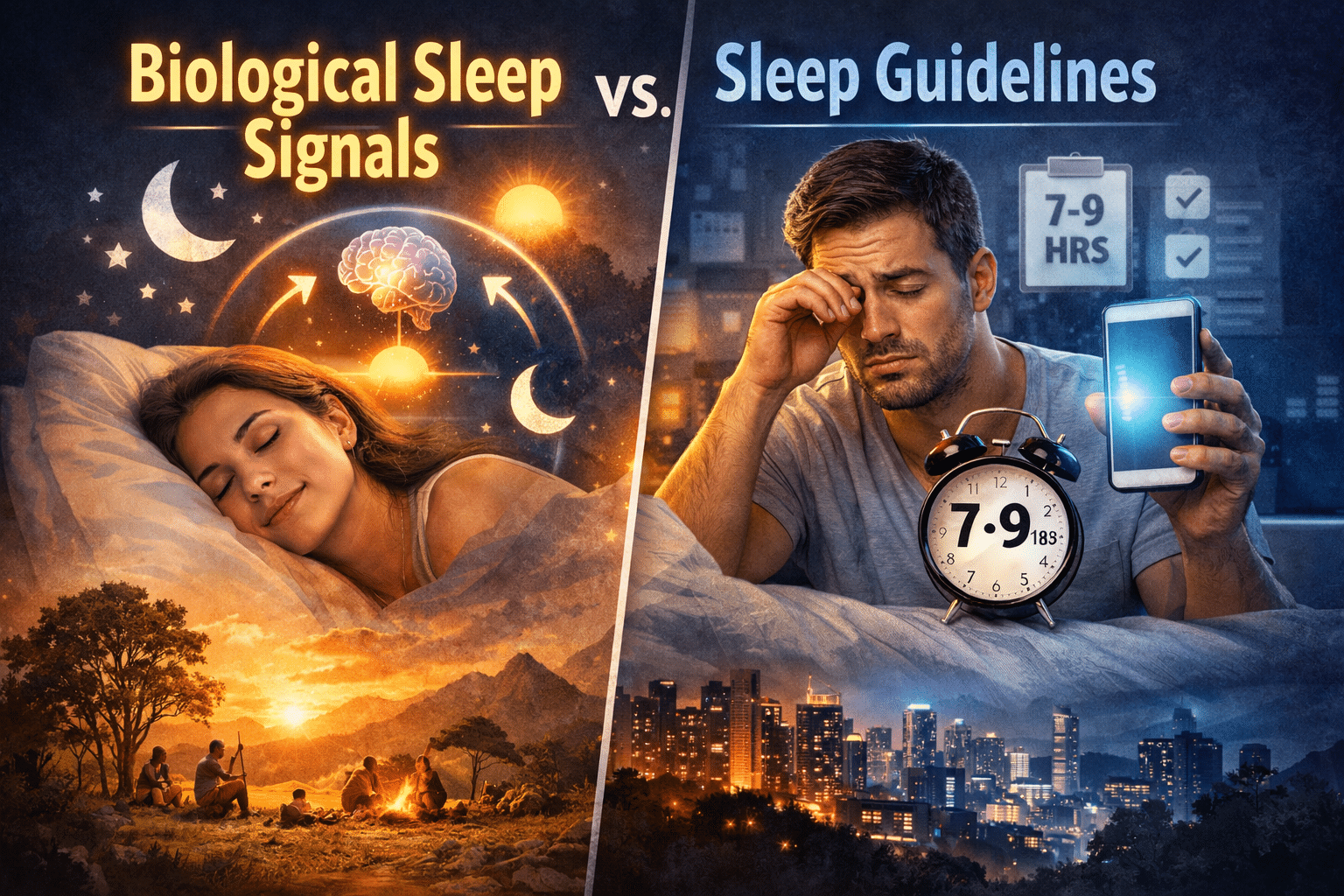
For years, we’ve been told the same rule: follow official sleep guidelines instead of listening to our own biological sleep signals, but is that really the best approach?
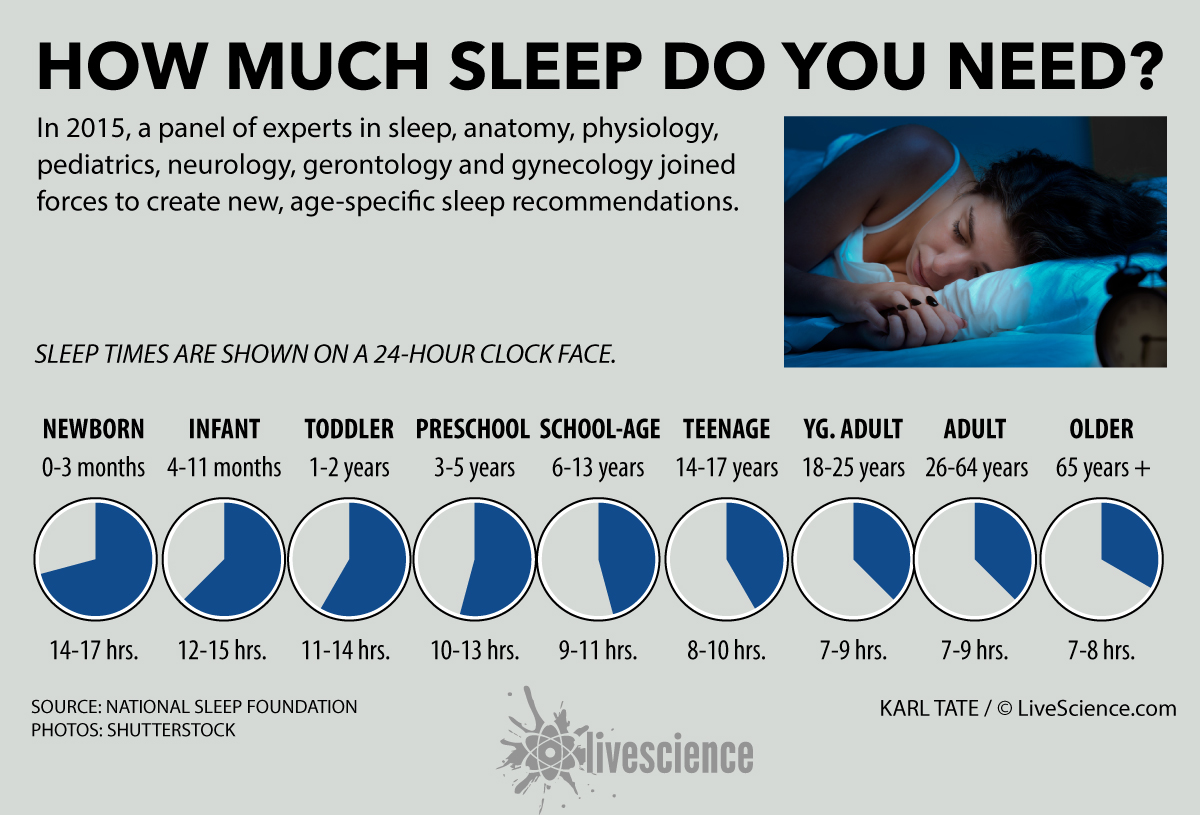
“Get 7–9 hours of sleep.”
It’s simple. It’s easy to remember. And for many people, it works—at least on the surface.
But if you’ve ever:
- Slept 8 hours and still felt tired
- Slept 6 hours and felt amazing
- Woke up before your alarm feeling fully energized
Then you’ve already discovered something important:
Sleep is not one-size-fits-all.
The real question isn’t just how long you sleep—it’s whether you’re aligned with your biological signals.
The Problem with Generic Sleep Guidelines
4
Generic sleep guidelines are based on population averages.
They are useful for:
- Public health recommendations
- General awareness
- Preventing extreme sleep deprivation
But they don’t account for individual differences such as:
- Genetics
- Lifestyle
- Stress levels
- Training intensity
- Environment
This is why two people can follow the same “8-hour rule” and get completely different results.
Your Body Already Knows When You Need Sleep


4
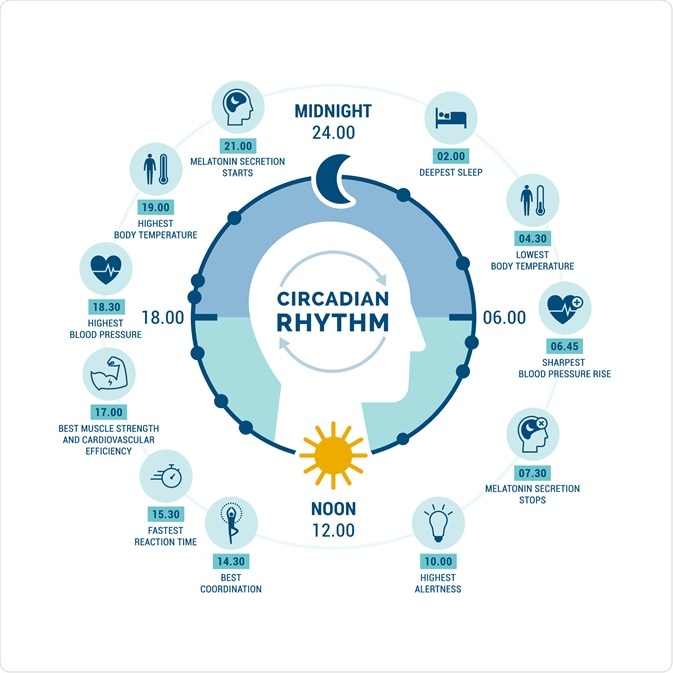
Your body operates on a circadian rhythm—an internal clock that regulates:
- Sleep
- Hormones
- Energy levels
- Body temperature
This system is influenced by:
- Light exposure
- Activity
- Food timing
- Environment
When aligned, your body will:
- Get sleepy at the right time
- Wake up naturally
- Feel refreshed
These are your biological signals—and they are often more accurate than any guideline.
Key Biological Signals to Pay Attention To
Instead of asking, “Did I get 8 hours?” ask:
Do I Wake Up Without an Alarm?
Natural waking is a strong sign of adequate sleep.
Do I Feel Alert Within 30 Minutes?
If you’re still groggy long after waking, you may need more—or better—sleep.
Is My Energy Stable Throughout the Day?
Frequent crashes suggest poor recovery.
Do I Feel Sleepy at Night Without Forcing It?
If you’re wired at night, your rhythm may be off.
Is My Performance Improving?
Sleep directly affects strength, focus, and recovery.
The Role of Sleep Cycles
Sleep happens in cycles of about 90 minutes.
Waking up in the middle of a cycle can make you feel worse—even if you slept longer.
This is why:
- 6 hours (4 cycles) can feel better than
- 7 hours (interrupted cycle)
Quality and timing matter as much as quantity.
Should You Trust Guidelines or Your Body?
The best approach is not choosing one—it’s combining both.
Use guidelines as a starting point, but adjust based on your signals.
For example:
- Start with 7–9 hours
- Track how you feel
- Adjust up or down
Your body will tell you what it needs—if you listen.
The Ancestral Factor: Where You Come From Matters

4
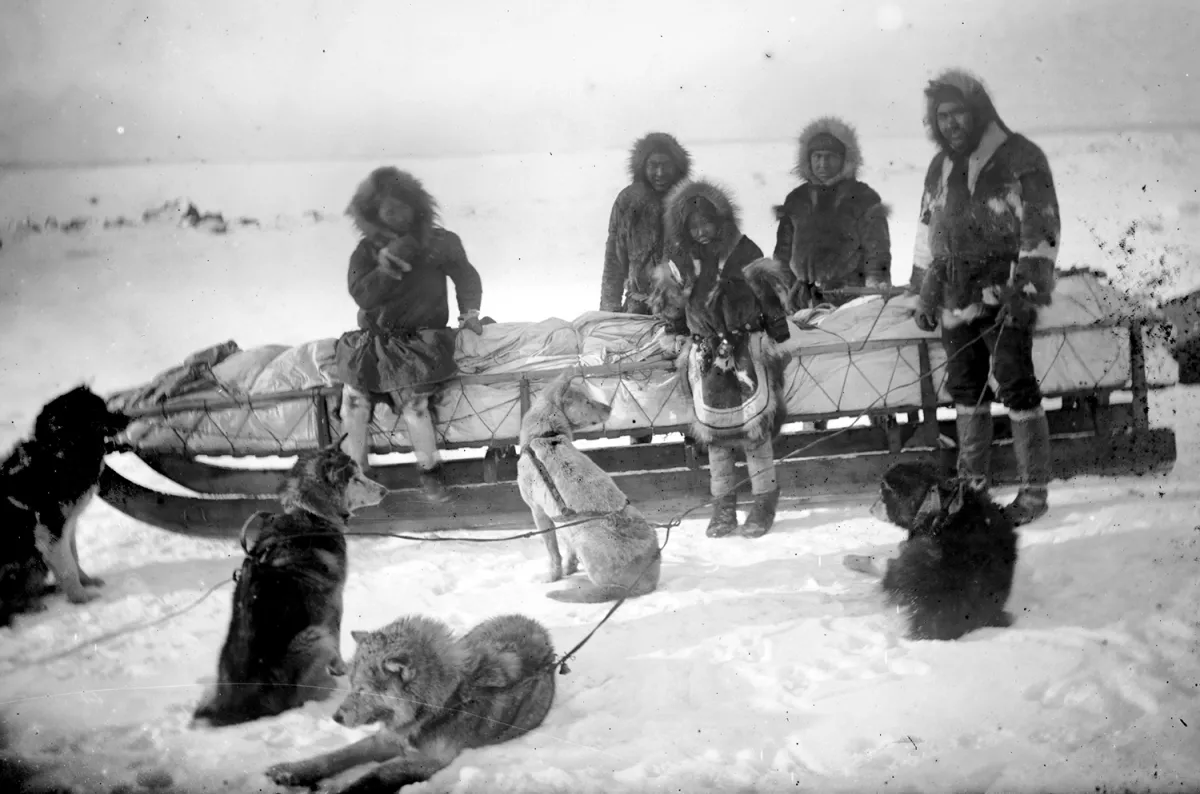
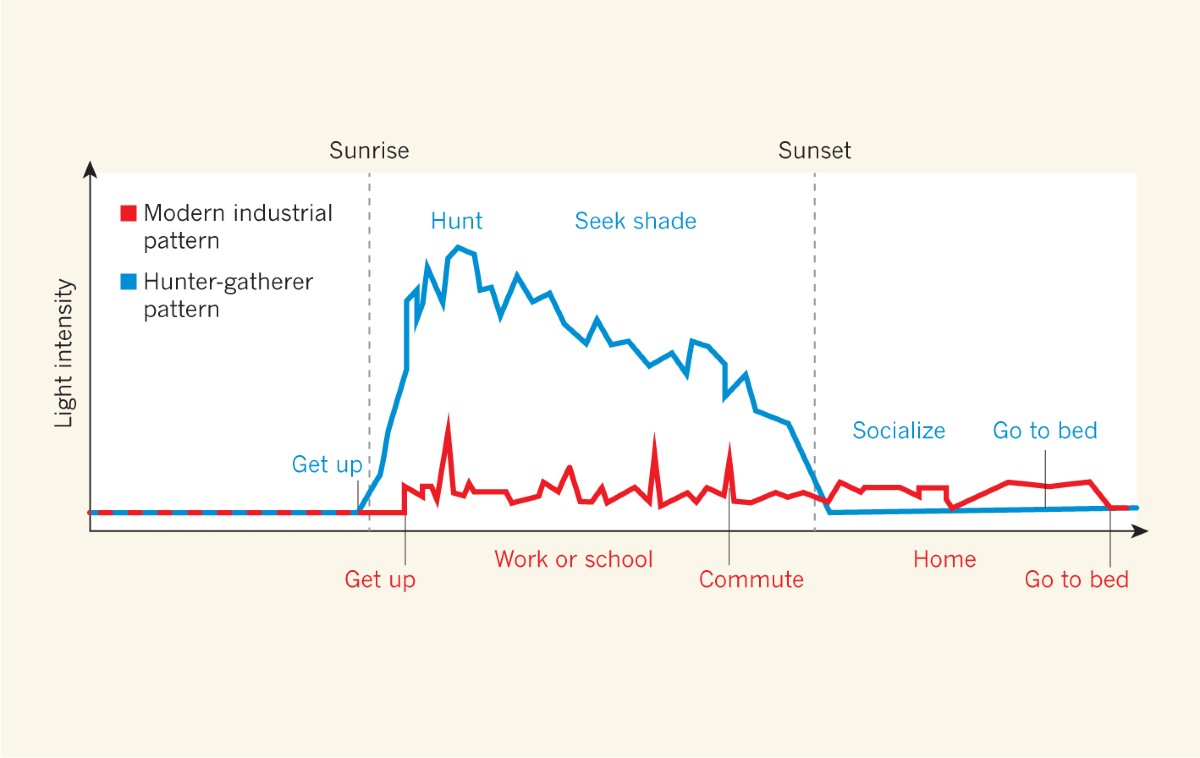
Human sleep patterns evolved based on environment.
Your ancestors lived under natural light cycles—not artificial lighting.
Different regions shaped different sleep tendencies.
1. Equatorial Ancestry (Near the Equator)
Regions with consistent day length year-round.
Typical traits:
- Stable circadian rhythm
- Sleep aligned closely with sunset and sunrise
- Less seasonal variation
Optimal range:
Often closer to 7–8 hours, with consistent timing.
2. Northern/Colder Climate Ancestry
Regions with long winters and short daylight hours.
Typical traits:
- Greater seasonal sleep variation
- Ability to sleep longer during darker months
- Sensitivity to light exposure
Optimal range:
Often 7–9+ hours, especially in low-light conditions.
3. Desert/Hot Climate Ancestry
Regions with extreme heat during the day.
Typical traits:
- Split sleep patterns (early morning + later rest)
- Adaptation to avoid peak heat
Optimal range:
Can vary, sometimes including short naps or segmented sleep.
4. Mixed/Modern Environments
Most people today have mixed ancestry and live in artificial environments.
This creates:
- Disrupted circadian rhythms
- Less exposure to natural light
- More reliance on schedules than biology
In this case, listening to your body becomes even more important.
Why Modern Life Disrupts Sleep


4
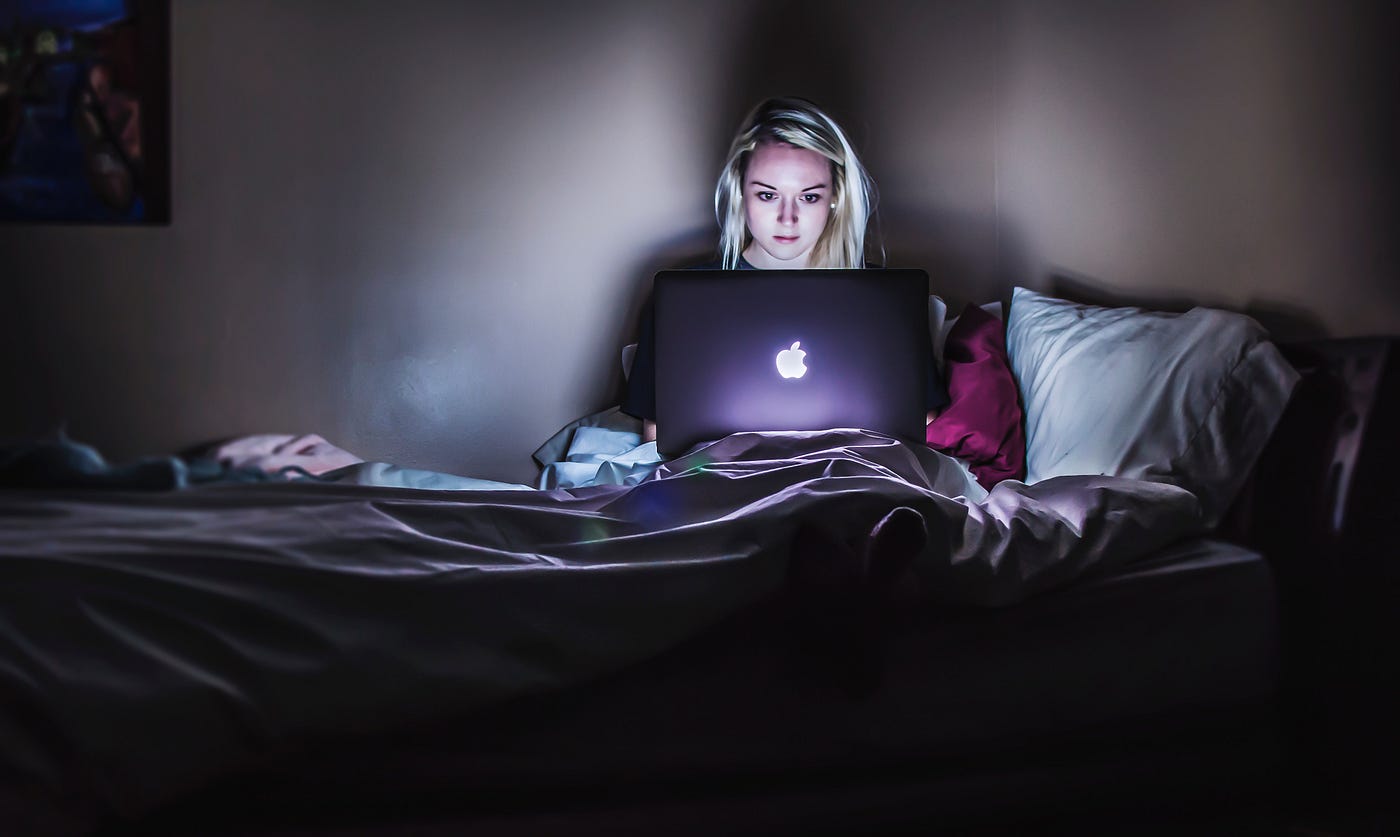
Modern habits often override biological signals:
- Blue light from screens delays melatonin
- Late-night eating disrupts digestion
- Stress keeps the nervous system active
- Irregular schedules confuse the body clock
This makes it harder to trust your natural signals—because they’re being overridden.
How to Align with Your Biological Sleep
Here’s how to get the best of both worlds:
1. Use Light as Your Anchor
- Get sunlight early in the morning
- Reduce light at night
2. Keep a Consistent Sleep Window
Go to bed and wake up at similar times daily.
3. Reduce Stimulation at Night
Limit screens, caffeine, and intense activity before bed.
4. Track How You Feel
Your energy, mood, and performance are your best indicators.
5. Adjust Gradually
Small changes lead to long-term alignment.
The Truth About “Perfect Sleep”
There is no perfect number.
There is only:
Optimal sleep for your body, your lifestyle, and your environment.
For some, that’s 7 hours.
For others, it’s 9.
For others, it changes based on training, stress, and season.
Final Thoughts
Generic sleep guidelines are helpful—but they are not personalized.
Your biological signals are powerful—but they can be disrupted.
The best results come from combining both:
- Start with general recommendations
- Fine-tune based on your body
- Align your lifestyle with your biology
Because the goal is not just more sleep.
The goal is better sleep—designed for you.
Read Next…
🌿 Natural Daily Support for Men and Women
I like Divine Bounty supplements because they use natural ingredients instead of synthetic formulas. For people who want a cleaner option for everyday wellness support, Divine Bounty offers quality supplements designed to fit a healthy lifestyle.
Their lineup includes the popular Men’s Multivitamin, plus other supplements for men and women such as Vitamin B Complex, Digestive Enzymes, Berberine, Magnesium Citrate, Vitamin K2 + D3, and Acetyl L-Carnitine.
The Men’s Multivitamin features 24 essential vitamins and minerals plus 5 additional blends for men, all in convenient vegetarian capsules. It is also promoted as GMO free, soy free, dairy free, wheat free, and gluten free.
🛒 Shop Divine Bounty on AmazonSponsored by Terry Clark • Amazon Affiliate Partner