Estimated reading time: 7 minutes
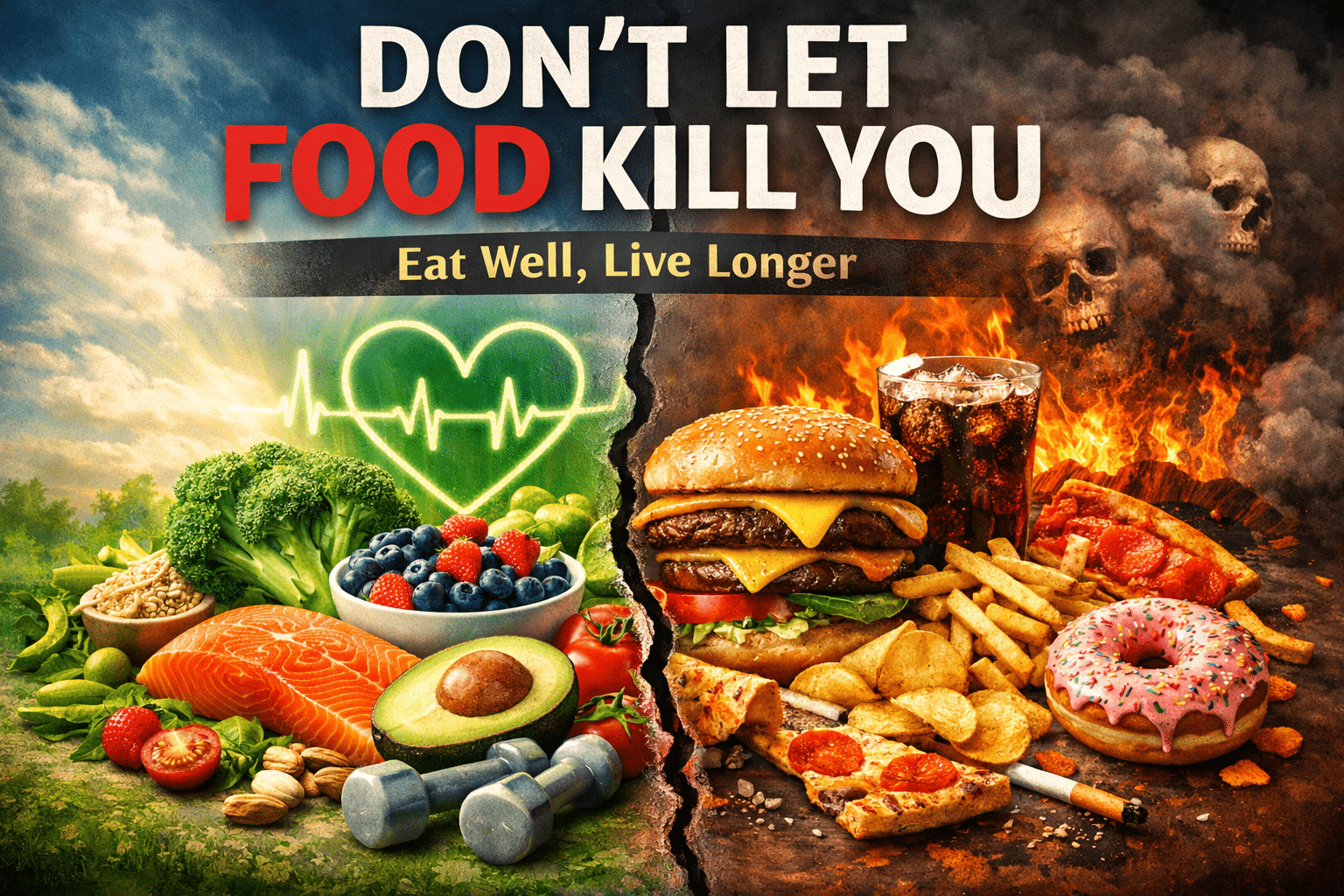
Food is one of the most powerful forces influencing human health. Every meal we eat either nourishes our body or slowly contributes to disease. The frightening reality is that many of the most common causes of death today are directly linked to diet. It’s important to remember: don’t let food kill you. Poor nutrition is a major contributor to conditions like heart disease, obesity, diabetes, and certain cancers.
Yet food itself is not the enemy. The danger lies in how modern diets have shifted toward ultra-processed foods, excessive sugar, unhealthy fats, and nutrient-poor calories. These foods overload the body with substances it struggles to process while depriving it of the nutrients needed for repair, energy production, and disease prevention.
Understanding how food affects the body can be life-changing. The same fork that can harm you can also protect you. When you choose foods wisely, your diet becomes one of the most powerful tools for longevity, strength, and vitality.
The message is simple but profound: don’t let food kill you—let it help you live longer and stronger.
How Food Became a Leading Cause of Disease
For most of human history, people ate whole foods—meat, fish, vegetables, fruits, nuts, and grains that were minimally processed. Meals were prepared from scratch, and sugar was rare.
Today the situation is very different.
Many modern diets are dominated by:
- Ultra-processed foods
- Added sugars
- Refined carbohydrates
- Artificial ingredients
- Excess sodium
- Industrial seed oils
These foods are designed to be hyper-palatable. They trigger dopamine responses in the brain that make people want to keep eating even when they are not hungry.
The problem is that these foods deliver large amounts of calories but very little nutrition. Over time, this combination leads to chronic inflammation, insulin resistance, and metabolic dysfunction.
This is why diet-related illnesses have exploded worldwide.
Some of the most common diseases linked to poor diet include:
- Cardiovascular disease
- Type 2 diabetes
- Obesity
- Hypertension
- Stroke
- Fatty liver disease
- Certain cancers
Many of these diseases develop slowly over years, which is why people often underestimate the impact of what they eat every day.
The Silent Damage Caused by Poor Diet
Food rarely harms the body immediately. Instead, the damage usually occurs gradually.
1. Chronic Inflammation
Many processed foods promote inflammation throughout the body. This persistent inflammatory state damages cells, tissues, and organs.
Inflammation is associated with:
- Heart disease
- Arthritis
- Neurodegenerative diseases
- Cancer
A diet high in sugar, refined carbohydrates, and processed oils fuels this destructive process.
2. Insulin Resistance
When people consume excessive amounts of sugar and refined carbohydrates, blood glucose levels spike repeatedly.
Over time, the body becomes less responsive to insulin. This condition is known as insulin resistance and is a major driver of metabolic diseases.
Insulin resistance can lead to:
- Type 2 diabetes
- Abdominal fat gain
- Fatty liver disease
- Hormonal imbalances
3. Oxidative Stress
Certain foods increase the production of unstable molecules called free radicals.
These molecules damage DNA, proteins, and cell membranes. This process—known as oxidative stress—accelerates aging and contributes to disease development.
Foods rich in antioxidants help neutralize these harmful molecules.
The Most Dangerous Foods in the Modern Diet
Some foods are particularly harmful when consumed regularly. These foods are often cheap, convenient, and heavily marketed.
Ultra-Processed Foods
Ultra-processed foods include items like:
- Packaged snacks
- Fast food
- Sugary cereals
- Frozen meals
- Candy and desserts
These products often contain dozens of artificial ingredients, preservatives, flavor enhancers, and refined oils.
Research consistently links high consumption of ultra-processed foods with increased mortality and chronic disease.
Excess Sugar
Sugar consumption has skyrocketed in recent decades.
High sugar intake contributes to:
- Obesity
- Diabetes
- Fatty liver disease
- Tooth decay
- Inflammation
Many sugary foods and beverages deliver large amounts of calories without providing nutrients.
Refined Carbohydrates
Refined carbohydrates include:
- White bread
- Pastries
- Sugary breakfast cereals
- White pasta
These foods are quickly converted into glucose in the bloodstream, causing rapid spikes and crashes in blood sugar levels.
Frequent spikes stress the body’s metabolic systems and increase disease risk.
Industrial Seed Oils
Some highly processed vegetable oils contain large amounts of omega-6 fatty acids.
While omega-6 fats are not inherently harmful, excessive intake may contribute to inflammation when they greatly outnumber omega-3 fats in the diet.
These oils are commonly found in:
- Fried foods
- Packaged snacks
- Fast food
- Processed baked goods
Food as Medicine
While unhealthy foods can harm the body, nutritious foods can dramatically improve health.
Food can function as powerful medicine when it contains nutrients that support the body’s natural repair systems.
Whole Foods
Whole foods are minimally processed and close to their natural state.
Examples include:
- Vegetables
- Fruits
- Nuts and seeds
- Eggs
- Fish
- Lean meats
- Whole grains
- Legumes
These foods contain vitamins, minerals, fiber, antioxidants, and healthy fats that support nearly every biological process.
Antioxidant-Rich Foods
Antioxidants help protect cells from oxidative damage.
Foods high in antioxidants include:
- Berries
- Dark leafy greens
- Green tea
- Dark chocolate
- Turmeric
- Garlic
These foods help neutralize free radicals and support long-term health.
High-Quality Protein
Protein plays a vital role in muscle maintenance, immune function, and tissue repair.
Healthy protein sources include:
- Fish
- Poultry
- Eggs
- Beans
- Lentils
- Greek yogurt
Adequate protein intake also helps regulate appetite and maintain a healthy body composition.
The Power of Nutrient Density
One of the most important principles in nutrition is nutrient density.
Nutrient-dense foods provide large amounts of vitamins, minerals, and beneficial compounds relative to their calorie content.
For example:
- Vegetables provide fiber, antioxidants, and micronutrients with very few calories.
- Eggs provide high-quality protein, healthy fats, and essential nutrients.
- Fish provides omega-3 fatty acids that support brain and heart health.
In contrast, nutrient-poor foods provide many calories but few beneficial nutrients.
A diet focused on nutrient-dense foods supports energy, metabolism, immune function, and overall longevity.
Why Moderation Matters
Healthy eating does not require perfection.
Occasional indulgences are part of normal life. The key factor is overall dietary patterns over time.
If the majority of meals consist of whole, nutrient-rich foods, the body can tolerate occasional treats.
Problems arise when unhealthy foods become the foundation of the diet instead of the exception.
Moderation allows people to maintain both physical health and a healthy relationship with food.
The Psychological Side of Eating
Food is not just fuel. It is also emotional, cultural, and social.
Many people turn to food for comfort, stress relief, or entertainment.
Unfortunately, food companies often exploit these psychological triggers. Highly processed foods are engineered to be addictive, making it easy for people to overconsume them.
Developing awareness around eating habits can help individuals make more intentional choices.
Helpful strategies include:
- Mindful eating
- Cooking meals at home
- Planning meals ahead of time
- Reading nutrition labels
Small changes in awareness can dramatically improve long-term health.
Small Changes That Save Lives
Transforming a diet does not require extreme changes overnight. Small, consistent improvements can produce powerful results.
Some practical steps include:
- Replace sugary drinks with water or tea
- Eat more vegetables at every meal
- Choose whole foods instead of packaged snacks
- Reduce fast food consumption
- Increase fiber intake
- Prioritize protein and healthy fats
Over time, these habits reshape the body’s metabolism and reduce disease risk.
The Long-Term Impact of Better Nutrition
Improving diet can lead to numerous benefits, including:
- Better energy levels
- Improved digestion
- Healthier body weight
- Stronger immune function
- Reduced risk of chronic disease
- Increased lifespan
The body has an incredible ability to repair itself when provided with the right nutrients.
Many people begin experiencing improvements in health within weeks of changing their diet.
Final Thoughts
Food has the power to heal or harm. Every bite we take sends signals to the body that influence metabolism, inflammation, hormone balance, and cellular health.
Modern food environments make unhealthy choices easy and convenient. However, individuals still have the ability to take control of what they eat.
By prioritizing whole foods, reducing processed products, and focusing on nutrient density, people can dramatically improve their health and longevity.
Your daily diet is not just about satisfying hunger—it is about shaping your future health.
Choose wisely.
Because the food you eat today may determine how long and how well you live tomorrow.
Read Next….
- Diet and Fat Loss – The Top 5 Plans That Create the Best Results
- The Best Diet Tips to Sculpt Shredded Abs
- Day 41 of My Weight Loss Challenge: Embracing the Strength and Synching Nutrition
- Eating to Burn Body Fat and Enhance Longevity in 2024: Nutritionist-Approved and Science-Backed Guide
- How Too Much Sugar Destroys Health, Fitness, and Body Composition
🌿 Natural Daily Support for Men and Women
I like Divine Bounty supplements because they use natural ingredients instead of synthetic formulas. For people who want a cleaner option for everyday wellness support, Divine Bounty offers quality supplements designed to fit a healthy lifestyle.
Their lineup includes the popular Men’s Multivitamin, plus other supplements for men and women such as Vitamin B Complex, Digestive Enzymes, Berberine, Magnesium Citrate, Vitamin K2 + D3, and Acetyl L-Carnitine.
The Men’s Multivitamin features 24 essential vitamins and minerals plus 5 additional blends for men, all in convenient vegetarian capsules. It is also promoted as GMO free, soy free, dairy free, wheat free, and gluten free.
🛒 Shop Divine Bounty on AmazonSponsored by Terry Clark • Amazon Affiliate Partner