When it comes to fitness, most people focus on the obvious factors strength training, cardiovascular exercise, and diet quality. However, understanding the gut-health connection to fitness can be a game-changer. One of the most powerful yet overlooked elements influencing your overall fitness, recovery, and energy levels is gut health. Your digestive system doesn’t just process food; it affects immunity, metabolism, mood, and even how effectively your body absorbs nutrients that fuel your workouts.
In recent years, research has uncovered how deeply the gut–brain–body connection runs. Maintaining a healthy digestive system can enhance your physical performance, mental clarity, and resilience to stress. Conversely, poor gut health can lead to inflammation, fatigue, and slow recovery creating a silent barrier between you and your fitness goals. This comprehensive guide explores the link between digestion and fitness, how gut health impacts performance, and what practical steps you can take to optimize both.
Understanding the Gut–Fitness Connection
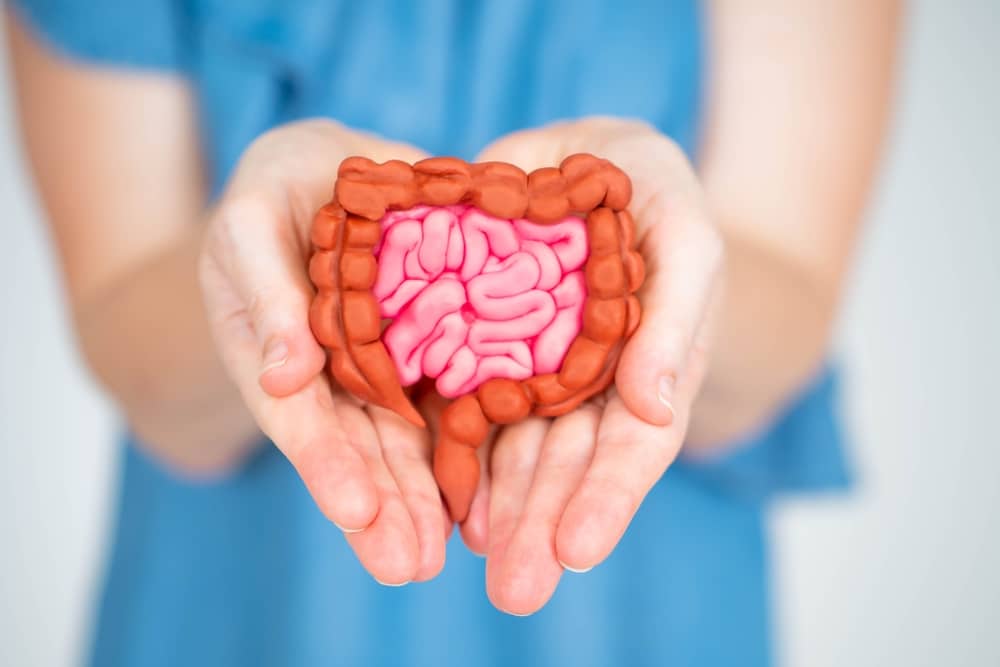
The gut isn’t just a single organ; it’s a complex ecosystem of organs, enzymes, and over 100 trillion microorganisms, collectively known as the gut microbiome. These microbes play essential roles in digestion, nutrient absorption, immune defense, and the production of certain hormones and neurotransmitters.
When your gut functions well:
- Nutrients are absorbed efficiently.
- Inflammation is regulated.
- Your immune system stays balanced.
- Energy levels remain stable throughout the day.
But when it’s off balance due to stress, poor diet, lack of sleep, or illness it can result in digestive distress, fatigue, mood swings, and even decreased exercise performance. For athletes and fitness enthusiasts, the implications are huge. A healthy gut can improve endurance, help muscles recover faster, and enhance mental focus. A compromised gut, on the other hand, can trigger bloating, cramping, and energy crashes during workouts symptoms that can drastically hinder consistency and performance.
How Digestion Affects Physical Performance
a. Nutrient Absorption
Your muscles depend on macronutrients (carbohydrates, proteins, fats) and micronutrients (vitamins, minerals) to function and recover. Without efficient digestion, these nutrients can’t be fully utilized. For example:
- Incomplete digestion of proteins can limit muscle repair.
- Poor fat absorption can lead to energy depletion.
- Insufficient mineral absorption especially magnesium and zinc can impair muscle
- contractions and immune response.
Simply put, even the best diet is only as good as your gut’s ability to process it.
b. Energy and Endurance
Your gut converts food into glucose and fatty acids—the primary fuels for exercise. A sluggish digestive system means slower energy release, which can lead to mid-workout fatigue or gastrointestinal discomfort. Endurance athletes, in particular, often struggle with gut distress during long training sessions because intense exercise diverts blood flow away from the digestive tract to the muscles. By supporting digestion and maintaining a healthy microbiome, your body can produce steady, reliable energy, improving both stamina and consistency in training.
c. Inflammation and Recovery
After intense workouts, inflammation is a natural part of the muscle-repair process. However, a compromised gut can amplify systemic inflammation. A “leaky gut,” for example, allows toxins and bacteria to enter the bloodstream, which can prolong soreness and delay recovery. A well-balanced microbiome, on the other hand, produces short-chain fatty acids (SCFAs) that help regulate inflammation and support healing.
The Gut–Brain Axis and Its Role in Fitness
One of the most fascinating discoveries in modern health science is the gut–brain axis—the communication network between your gut and your brain. The gut sends signals to the brain through the vagus nerve, as well as through the hormones and neurotransmitters it produces. Did you know that around 90% of serotonin, the “feel-good” hormone, is produced in your gut? This means that digestive health directly influences your mood, motivation, and ability to handle stress—all of which are crucial for maintaining a consistent fitness routine.
When the gut is out of balance, it can manifest as mental and emotional symptoms like:
- Irritability or low mood
- Brain fog
- Sleep disturbances
- Lack of motivation to exercise
And vice versa: chronic psychological stress can impair digestion by reducing the secretion of digestive enzymes and slowing intestinal motility. This creates a cycle where stress related bellyaches and poor digestion interfere with both mental and physical performance.
Common Digestive Issues That Affect Fitness
Many people experience digestive challenges that subtly undermine their fitness progress. Here are some of the most common ones:
a. Bloating and Gas
Excess gas or bloating can make it uncomfortable to move or engage your core during exercise. It can be triggered by food intolerances, eating too quickly, or imbalanced gut bacteria.
b. Acid Reflux
Strenuous activity, especially right after eating, can worsen acid reflux symptoms. This not only causes discomfort but may also reduce exercise intensity.
c. Constipation or Irregularity
A sluggish digestive system can make you feel heavy and sluggish. Regular bowel movements are crucial for removing waste and toxins that can interfere with energy levels.
d. Leaky Gut Syndrome
When the intestinal lining becomes permeable, it allows undigested food particles and toxins into the bloodstream, triggering inflammation and immune reactions. This can result in fatigue, joint pain, and brain fog—all counterproductive to athletic goals.
e. Food Sensitivities
Undiagnosed sensitivities to gluten, dairy, or certain FODMAPs can cause chronic bloating, cramping, and digestive distress that affect workout quality and recovery.
How Fitness Impacts Digestion
The relationship between gut health and fitness isn’t one-sided. Just as your digestive system affects physical performance, your exercise habits influence digestion.
a. Moderate Exercise Improves Gut Function
Regular movement promotes healthy gut motility and blood circulation, helping nutrients move efficiently through the digestive tract. Studies show that consistent moderate exercise can increase microbial diversity—the hallmark of a healthy gut.
b. Overtraining Can Hurt Gut Health
However, too much high-intensity exercise without proper recovery can backfire. Overtraining raises cortisol levels, decreases blood flow to the intestines, and disrupts microbial balance. This is why some athletes experience “runner’s gut” —nausea, cramps, or diarrhea during endurance events.
The key is balance: enough exercise to stimulate good digestion, but not so much that it induces chronic stress or inflammation.
Strategies to Support Gut Health for Better Fitness
Improving digestion isn’t about quick fixes—it’s about creating daily habits that support your body’s natural processes. Here are practical steps you can take to strengthen your gut–fitness connection.
a. Eat Whole, Fiber-Rich Foods
Fiber is essential for feeding beneficial gut bacteria. Aim for a mix of:
- Fruits and vegetables
- Whole grains (oats, quinoa, brown rice)
- Legumes and beans
- Seeds and nuts
However, increase fiber gradually to avoid bloating, and stay hydrated to help fiber move through your system smoothly.
b. Include Probiotics and Prebiotics
Probiotics (like those in yogurt, kefir, sauerkraut, and kimchi) add beneficial bacteria to your gut. Prebiotics (found in garlic, onions, bananas, and asparagus) feed those bacteria. Together, they create a thriving microbial ecosystem that enhances digestion and immunity.
c. Manage Stress
Since chronic stress can harm digestion and trigger stress related bellyaches, stress management is crucial. Practices like deep breathing, meditation, yoga, and even leisurely walks can calm your nervous system and improve gut motility.
d. Stay Hydrated
Water helps break down food, absorb nutrients, and flush out waste. Dehydration can slow digestion, leading to constipation or cramps.
e. Chew Thoroughly and Eat Mindfully
Digestion starts in the mouth. Chewing well helps enzymes break down food more effectively, easing the load on your stomach and intestines. Avoid eating on the go or during stressful moments; relaxed eating promotes better digestion.
f. Support Digestion Around Workouts
Time your meals strategically:
- Eat a balanced meal 2–3 hours before intense exercise.
- Stick to light, easy-to-digest snacks (like fruit or a smoothie) if eating closer to a workout.
- After exercise, replenish with lean proteins and complex carbs to support muscle recovery and gut repair.
g. Limit Processed Foods and Excess Sugar
Processed foods and artificial sweeteners can disrupt gut bacteria balance. Focus on whole, natural foods whenever possible.
h. Get Enough Sleep
During deep sleep, your body repairs both muscle tissue and the gut lining. Aim for 7–9 hours of quality sleep each night to support recovery and digestive regulation.
Supplements for Digestive Support
While whole foods should be the foundation of digestive health, certain supplements can provide extra support—especially for active individuals.
a. Probiotics
These beneficial bacteria can improve microbial diversity, reduce bloating, and support immune function. Look for multi-strain formulas that include Lactobacillus and Bifidobacterium species.
b. Digestive Enzymes
Enzymes help break down proteins, fats, and carbohydrates, preventing gas and bloating after meals—especially useful if you consume large amounts of protein or fiber.
c. L-Glutamine
This amino acid supports the intestinal lining and may help repair leaky gut, making it valuable for athletes with inflammation or digestive discomfort.
d. Collagen Peptides
Collagen helps strengthen the gut lining and joints, aiding both digestion and recovery from physical strain.
e. Omega-3 Fatty Acids
Found in fish oil and flaxseeds, omega-3s reduce inflammation in both the gut and muscles, enhancing recovery and overall health.
The Role of Personalized Nutrition
Each person’s gut microbiome is unique—like a fingerprint. This means that the same diet can produce different results in different people. Personalized approaches, such as food sensitivity testing or microbiome analysis, can help identify which foods support or disrupt your digestive system.
For athletes, tailoring nutrition to their gut health can:
- Improve fuel utilization
- Enhance recovery speed
- Prevent GI issues during training
- Optimize energy metabolism
By understanding how your body reacts to certain foods, you can fine-tune your diet for peak performance and comfort.
Real-Life Example: The Gut Reset Effect
Consider the example of an amateur marathon runner who frequently experienced fatigue and cramps mid-race. After consulting a nutritionist, she discovered her gut was inflamed due to high processed carbohydrate intake and irregular eating times.
By switching to a diet rich in prebiotic vegetables, fermented foods, and lean proteins, while also incorporating mindfulness and better sleep hygiene, her digestion improved dramatically. Within three months, her endurance increased, post-run soreness decreased, and her mood stabilized.
This is a clear demonstration that digestive support isn’t just about the stomach—it’s about total body fitness.
The Future of Gut–Fitness Research
Emerging research is revealing even more intricate connections between the gut and physical performance. Scientists are exploring how certain bacterial strains may:
- Enhance oxygen utilization during endurance sports
- Influence fat metabolism and energy efficiency
- Reduce inflammation markers post-exercise
As these findings evolve, one thing is becoming increasingly clear: the gut isn’t just a passive system—it’s an active player in athletic success.
Conclusion
A healthy digestive system is the foundation of a strong, resilient body. Without it, even the most disciplined training routine can fall short. Supporting your gut means more than avoiding discomfort; it’s about fueling your body efficiently, recovering faster, and maintaining mental clarity and motivation.
From stress related bellyaches to sluggish energy or chronic fatigue, many of the obstacles people face in their fitness journey start in the gut. By adopting mindful eating habits, managing stress, and nourishing your microbiome, you create a system that performs as hard as you do.
Remember: fitness doesn’t just happen in the gym—it starts with how well your body digests, absorbs, and utilizes the food that fuels your every move. Strong gut, strong body, strong life.
🌿 Natural Daily Support for Men and Women
I like Divine Bounty supplements because they use natural ingredients instead of synthetic formulas. For people who want a cleaner option for everyday wellness support, Divine Bounty offers quality supplements designed to fit a healthy lifestyle.
Their lineup includes the popular Men’s Multivitamin, plus other supplements for men and women such as Vitamin B Complex, Digestive Enzymes, Berberine, Magnesium Citrate, Vitamin K2 + D3, and Acetyl L-Carnitine.
The Men’s Multivitamin features 24 essential vitamins and minerals plus 5 additional blends for men, all in convenient vegetarian capsules. It is also promoted as GMO free, soy free, dairy free, wheat free, and gluten free.
🛒 Shop Divine Bounty on AmazonSponsored by Terry Clark • Amazon Affiliate Partner