

Estimated reading time: 7 minutes
Most people think a plateau is just a temporary stall—a moment where progress slows down before continuing. But there’s a deeper, more frustrating reality that many experience without fully understanding it:
Your body remembers.
It remembers familiar weights. It remembers previous body compositions. And when you approach those numbers again, it resists change—pulling you back toward what feels “normal.”
This is not just a lapse in discipline. It’s what can be described as a regression to the mean in body weight, often referred to as a set-point barrier.
And breaking through it requires more than doing what worked before.
What Is a “Set-Point” Plateau?

4
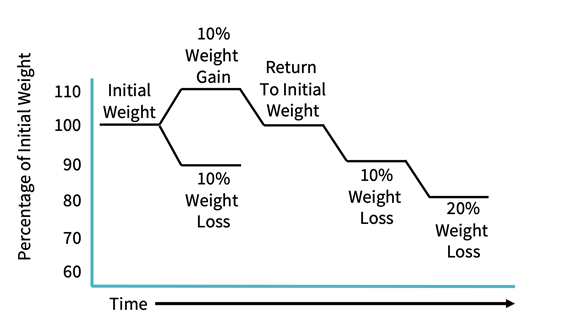
A set-point plateau happens when your body defends a weight it has adapted to over time.
This could be:
- A weight you maintained for years
- A weight you repeatedly return to after dieting
- A weight your lifestyle naturally supports
When you approach this number again—whether losing or gaining weight—progress slows dramatically.
It’s not random. It’s resistance.
Why Your Body Pulls You Back
Your body is not designed for aesthetics—it is designed for survival and stability.
When you move away from a familiar weight, several systems push back:
1. Metabolic Resistance
Your metabolism adjusts to conserve energy. You burn fewer calories doing the same activities.
2. Hormonal Pushback
Hunger hormones increase, fullness hormones decrease, and cravings intensify.
3. Energy Efficiency
Your body becomes more efficient at movement, reducing calorie expenditure without you noticing.
4. Psychological Drift
You begin to unconsciously relax habits that helped you progress.
All of this creates a powerful force pulling you back toward your “normal” weight.
The Illusion of “It Worked Before”
One of the biggest mistakes people make is assuming:
“I’ll just do what worked last time.”
But here’s the truth:
What got you to your current plateau will not get you past it.
Your body has already adapted to that level of effort.
To break through, you need a new level of stimulus.
Fat Loss Plateaus: The Stubborn Barrier



4
Fat loss plateaus often occur at familiar body weights—numbers you’ve seen before.
For example:
- You easily drop from 200 → 185
- Then struggle for weeks to break 180
- That 180 number becomes a barrier
Why?
Because your body has history there.
To break through, you need:
A Deeper Calorie Deficit (Strategically Applied)
Not extreme—but more precise and consistent.
Higher Activity Output
More steps, more movement, not just more gym time.
Greater Dietary Discipline
Less margin for error.
Longer Consistency
Plateaus at set points often require extended effort.
Muscle Gain Plateaus: The Same Rule Applies



4
Set-point resistance doesn’t just apply to fat loss—it applies to muscle gain too.
You may notice:
- Strength stalls at familiar weights
- Muscle size stops increasing
- Workouts feel harder but produce fewer results
This happens when your body has adapted to your current training load.
Breaking through requires:
Increased Load or Intensity
Heavier weights, slower reps, or more advanced techniques.
Higher Training Stress
Supersets, drop sets, or increased volume.
More Recovery Support
Better sleep, more calories, improved nutrition.
Again, the rule is simple:
New results require new demands.
Why Progress Feels Harder the Second Time
When you reach a new low weight for the first time, it feels like a breakthrough.
But if you regain weight and try to lose it again, something strange happens:
That same weight becomes harder to reach the second time.
This is because:
- Your body recognizes the pattern
- Adaptation happens faster
- Resistance increases sooner
Each attempt teaches your body how to defend itself better.
The Scale Trap at Set-Point Plateaus

4
Set-point plateaus create one of the most dangerous mental traps in fitness:
Scale obsession.
When your weight hovers around the same number for days or weeks, it creates doubt:
- “Am I doing something wrong?”
- “Why isn’t this working?”
- “Should I eat less?”
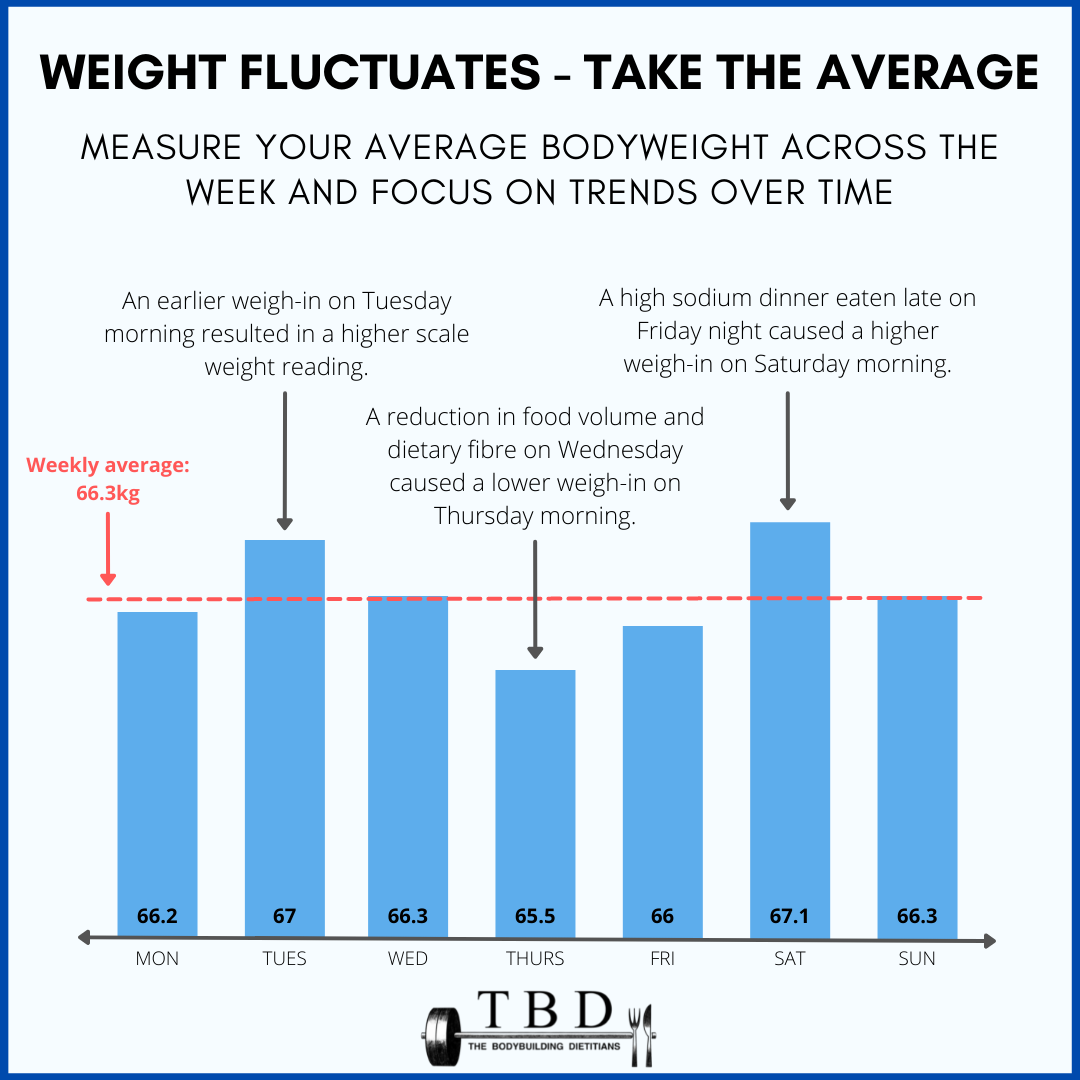
People begin to weigh themselves more frequently, searching for reassurance.
But the scale doesn’t show:
- Fat loss vs water retention
- Muscle gain
- Internal changes
This leads to frustration and, often, unhealthy behaviors.
The Reality: Breaking Through Requires a New Level
To move past a set-point plateau, you must create a gap between:
What your body expects
and
What you are doing
This means:
- More precision in nutrition
- More intensity in training
- More consistency over time
- Better recovery and stress control
Not extreme effort—but elevated effort.
Practical Strategy to Break Set-Point Plateaus
Here’s how to approach it:
1. Identify the Barrier Number
Recognize the weight your body keeps returning to.
2. Increase Precision
Track calories, macros, and habits more carefully.
3. Add Controlled Stress
Increase training intensity or volume slightly.
4. Extend Your Timeline
Expect progress to take longer past this point.
5. Reduce Scale Dependence
Track measurements, strength, and visual changes.
The Mental Shift: This Is Where Most People Quit
Set-point plateaus are where:
- Motivation drops
- Frustration rises
- Consistency breaks
Most people stop here—not because they can’t progress, but because they don’t understand what’s happening.
The people who succeed are the ones who realize:
This resistance is normal.
And pushing through it is what separates temporary change from permanent transformation.
Final Thoughts
Your body is not broken. It is adaptive.
When you reach a familiar weight, your body tries to hold you there. It becomes harder—not because you’re failing—but because you’re entering a new level of resistance.
Breaking through requires:
- A new strategy
- A higher level of consistency
- Patience beyond what you needed before
And most importantly, a mindset shift.
Because the real progress doesn’t happen when things are easy.
It happens when your body pushes back—and you keep going anyway.
Read Next….
🌿 Natural Daily Support for Men and Women
I like Divine Bounty supplements because they use natural ingredients instead of synthetic formulas. For people who want a cleaner option for everyday wellness support, Divine Bounty offers quality supplements designed to fit a healthy lifestyle.
Their lineup includes the popular Men’s Multivitamin, plus other supplements for men and women such as Vitamin B Complex, Digestive Enzymes, Berberine, Magnesium Citrate, Vitamin K2 + D3, and Acetyl L-Carnitine.
The Men’s Multivitamin features 24 essential vitamins and minerals plus 5 additional blends for men, all in convenient vegetarian capsules. It is also promoted as GMO free, soy free, dairy free, wheat free, and gluten free.
🛒 Shop Divine Bounty on AmazonSponsored by Terry Clark • Amazon Affiliate Partner