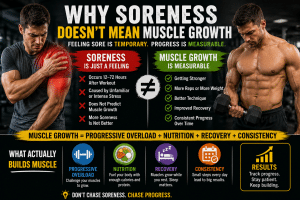

If you want better results from your next workout, the real work starts after your last one. Recovery with effective rest and recovery activities is more than just rest — it’s an active process that primes your body to rebuild, recharge, and come back stronger.
Let’s explore the most effective rest and recovery activities to prep your body faster for the next workout, using the math of muscle growth and science of recovery.
🧠 Why Are Rest and Recovery Activities Essential?
Training breaks muscle down. Recovery builds it back stronger. But optimal performance in your next workout depends on how you treat the 24–72 hours after training.
Recovery = (Nutrition + Hydration + Sleep + Mobility + Mindset)
By improving each variable, you shorten downtime, boost gains, and reduce injury risk.
🥗 What Should You Eat to Recover Faster?
Food is fuel AND repair material. Your recovery starts in the kitchen.
Focus on:
- Protein (0.7–1.0g per lb body weight) to rebuild muscle
- Carbohydrates (2–3g per lb) to replenish glycogen
- Healthy fats for hormone support
- Micronutrients for tissue repair (magnesium, zinc, B vitamins)
Recovery Meal Example:
- Salmon
- Sweet potato
- Spinach
- Greek yogurt + berries
Math Insight:
Every gram of glycogen requires 3g of water — this is why carbs + hydration are crucial together post-workout.
😴 How Does Sleep Prepare You for the Next Workout?
Sleep is the most anabolic state your body enters.
During deep sleep:
- Growth hormone release spikes
- Protein synthesis increases
- Muscle damage repair begins
Tips to Improve Sleep Recovery:
- Go to bed at the same time nightly
- Avoid screens after 9 PM
- Eat a carb-based dinner to promote serotonin
- Sleep in a cool, dark room (65°F)
Shoot for 7.5–9 hours per night, especially after intense training.
💧 How Does Hydration Accelerate Recovery?
Dehydration = delayed repair and performance decline. Water helps transport nutrients, flush waste, and maintain elasticity in muscles and joints.
Smart Hydration Strategy:
- Drink ½ your body weight in ounces daily
- Add electrolytes if you sweat a lot (especially sodium and potassium)
- Use coconut water or sports drinks post-training
🤸 What Mobility Work Helps You Prep Faster?
Stretching and mobility aren’t just warm-ups. They restore range of motion, prevent stiffness, and improve blood flow.
Best Mobility Recovery Activities:
- Foam rolling – reduces DOMS (Delayed Onset Muscle Soreness)
- Dynamic stretches – activates muscles for the next lift
- Yoga – relieves tension, increases joint range
- Massage guns or tools – target specific trigger points
Do 10–15 minutes daily. It’s a small investment with a big payoff in recovery and future performance.
🛠️ Recovery Tools to Prep for Your Next Workout
Enhance your recovery between workouts with these top picks:
- 🧘 TriggerPoint Foam Roller – Target Muscle Soreness
- 🧴 Epsom Salt – Speed Up Muscle Relaxation and Detox
- 💤 Magnesium Glycinate – Sleep Support for Overnight Recovery
“Train hard, recover smart, repeat stronger.”
🔄 Active Recovery: Move to Heal
Instead of doing nothing, light activity improves circulation, keeps muscles elastic, and helps speed recovery.
Best Active Recovery Ideas:
- 30-min walk the day after training
- Bike or elliptical at 50% effort
- Swimming for full-body movement without impact
- Bodyweight mobility drills (hip openers, cat-cow, glute bridges)
💡 NEAT (Non-Exercise Activity Thermogenesis) also counts. Just being more mobile improves nutrient delivery and reduces inflammation.
🧊 Should You Use Heat or Cold?
Both have their place. Use heat to promote blood flow and cold to reduce inflammation.
| Method | Use When |
|---|---|
| Cold shower | After intense, inflammatory training (legs, HIIT) |
| Hot bath or sauna | On rest days to relax muscles |
| Contrast therapy | Alternating hot/cold for better circulation |
Avoid cold immediately after hypertrophy sessions — it may blunt muscle gains.
🧘♂️ Mental Recovery: Don’t Skip It
Recovery is also psychological. Burnout, fatigue, and stress spike cortisol, which sabotages muscle repair.
Mental Recovery Techniques:
- Meditation (5–10 mins post-workout)
- Journaling training wins & recovery progress
- Deep breathing (box breathing: 4–4–4–4 seconds)
- Nature walks
❓Common Questions About Recovery Activities
Q: How long should recovery last between workouts?
Depends on intensity. For most muscle groups, 48–72 hours is ideal. Use soreness, strength, and motivation as your guide.
Q: Can you recover without supplements?
Yes, but they enhance your recovery when real food is lacking. Prioritize diet, then fill gaps with creatine, whey, or magnesium.
Q: What’s the #1 underrated recovery tip?
Consistent sleep. Nothing affects hormones, energy, or recovery as much as poor sleep.
🧠 Key Takeaways
- Recovery is a multi-variable equation, not just rest
- Prep your body with food, hydration, sleep, and mobility
- Use tools like foam rollers, hot baths, and light cardio for faster recovery
- Mindset matters — manage stress for better long-term gains
🌿 Natural Daily Support for Men and Women
I like Divine Bounty supplements because they use natural ingredients instead of synthetic formulas. For people who want a cleaner option for everyday wellness support, Divine Bounty offers quality supplements designed to fit a healthy lifestyle.
Their lineup includes the popular Men’s Multivitamin, plus other supplements for men and women such as Vitamin B Complex, Digestive Enzymes, Berberine, Magnesium Citrate, Vitamin K2 + D3, and Acetyl L-Carnitine.
The Men’s Multivitamin features 24 essential vitamins and minerals plus 5 additional blends for men, all in convenient vegetarian capsules. It is also promoted as GMO free, soy free, dairy free, wheat free, and gluten free.
🛒 Shop Divine Bounty on AmazonSponsored by Terry Clark • Amazon Affiliate Partner