
Estimated reading time: 5 minutes
Ashitaba is one of those rare plants that quietly checks every box: nutrient-dense, biologically active, culturally respected, and increasingly supported by modern science. Often called “Tomorrow’s Leaf” because it regenerates so quickly after being cut, ashitaba has been used for centuries in Japan as both food and medicine. Today, it’s gaining global attention for its unique compounds, metabolic benefits, and potential role in longevity.
If you’re serious about food as medicine, fat loss, muscle preservation, gut health, and aging well, ashitaba is a plant worth knowing.
What Is Ashitaba?
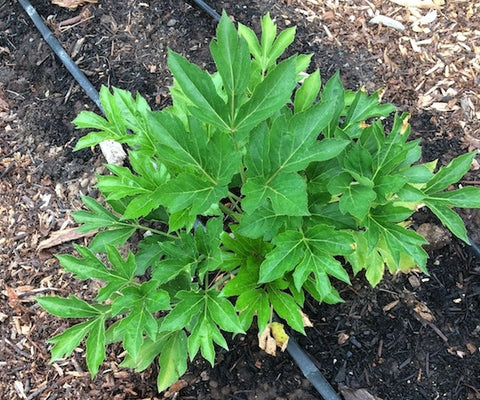
Ashitaba (Angelica keiskei) is a perennial green herb native to Japan, particularly the volcanic island of Hachijō-jima. It belongs to the same botanical family as celery, parsley, and carrots—but its biological activity sets it apart.
The name “ashitaba” literally translates to “tomorrow’s leaf” because when the plant is cut, a new shoot often appears the very next day. That regenerative trait is more than symbolic—it hints at the plant’s deep connection to cellular renewal and metabolic efficiency.
Traditionally, ashitaba leaves and stems were eaten fresh, brewed as tea, or dried into powders. Today, it’s available in capsules, extracts, teas, and functional food blends.
The Real Power of Ashitaba: Chalcones
What makes ashitaba truly unique is its exceptionally high concentration of chalcones, a rare class of polyphenols not commonly found in other foods.
The two most studied chalcones in ashitaba are:
- 4-Hydroxyderricin (4-HD)
- Xanthoangelol
These compounds are responsible for many of ashitaba’s claimed benefits, particularly in metabolism, inflammation control, and cellular cleanup.
Why Chalcones Matter
Chalcones are biologically active antioxidants that:
- Activate cellular defense pathways
- Support insulin sensitivity
- Reduce chronic inflammation
- Promote autophagy (cellular recycling)
This places ashitaba in a small category of plants that don’t just feed the body—but actively signal it to function better.
Ashitaba and Metabolic Health
One of the most exciting areas of research around ashitaba is its effect on metabolism.
1. Blood Sugar & Insulin Sensitivity
Ashitaba chalcones have been shown in animal and early human studies to:
- Improve glucose uptake in muscle cells
- Reduce insulin resistance
- Lower post-meal blood sugar spikes
For people focused on fat loss, body recomposition, or metabolic flexibility, this is a big deal. Better insulin sensitivity means:
- Less fat storage
- Better nutrient partitioning
- More stable energy levels
2. Fat Metabolism and Weight Management
Ashitaba appears to influence enzymes involved in fat storage and fat burning. Research suggests it may:
- Reduce fat accumulation
- Support adiponectin (a hormone linked to fat burning)
- Help regulate lipid metabolism
This doesn’t make ashitaba a “magic fat burner,” but it does make it a powerful metabolic support tool when paired with proper diet, fasting, and training.
Ashitaba and Autophagy: Cellular Housekeeping
Autophagy is the process by which the body breaks down and recycles damaged or dysfunctional cells. It’s strongly associated with:
- Longevity
- Cancer prevention
- Neuroprotection
- Metabolic health
Ashitaba has been shown to activate autophagy pathways, particularly through AMPK signaling—a mechanism also triggered by fasting and exercise.
Why This Matters
Most modern diseases share one thing in common: cellular dysfunction. Ashitaba doesn’t just provide nutrients—it helps the body clean house.
This makes it especially interesting for:
- People practicing intermittent fasting
- Those interested in longevity and anti-aging
- Athletes managing recovery and inflammation
Anti-Inflammatory and Antioxidant Effects
Chronic inflammation is a silent performance killer. It interferes with:
- Muscle recovery
- Hormonal balance
- Fat loss
- Brain function
Ashitaba’s chalcones have demonstrated strong anti-inflammatory activity by:
- Reducing inflammatory cytokines
- Limiting oxidative stress
- Protecting cells from free radical damage
Unlike synthetic anti-inflammatories, plant-based compounds like those in ashitaba work with the body instead of overriding natural processes.
Gut Health and Digestion
Traditional Japanese use of ashitaba often emphasized digestion, and modern science supports that intuition.
Ashitaba may:
- Support beneficial gut bacteria
- Improve nutrient absorption
- Reduce gut inflammation
- Aid regularity
A healthier gut improves everything downstream: immunity, mood, metabolism, and even hormone regulation.
Micronutrient Profile: More Than Just Compounds
Beyond its unique chalcones, ashitaba is also rich in essential nutrients, including:
- Vitamin B-complex
- Vitamin C
- Vitamin E
- Potassium
- Calcium
- Magnesium
- Dietary fiber
This makes it both a functional food and a medicinal herb, not an either/or.
Ashitaba and Longevity
The island populations that traditionally consumed ashitaba were noted for their health and vitality well into old age. While longevity is never about a single food, ashitaba fits beautifully into known longevity principles:
- Low glycemic impact
- Anti-inflammatory compounds
- Autophagy activation
- Micronutrient density
In other words, it aligns with how the human body evolved to thrive.
How to Use Ashitaba
Ashitaba can be incorporated in several ways depending on your lifestyle:
1. Ashitaba Tea
- Mild, earthy flavor
- Great for fasting windows
- Supports digestion and hydration
2. Ashitaba Powder
- Add to smoothies or green drinks
- Stack with protein, greens, and healthy fats
3. Capsules or Extracts
- Convenient and consistent dosing
- Ideal for metabolic or longevity-focused supplementation
Tip: Look for products standardized for chalcone content to ensure potency.
Is Ashitaba Safe?
Ashitaba is generally well tolerated when consumed in reasonable amounts. However:
- Start with small doses
- Avoid during pregnancy unless cleared by a professional
- Choose high-quality, tested sources
As with all powerful plants, respect the dose.
Final Thoughts: Is Ashitaba Worth Adding?
Ashitaba isn’t trendy—it’s timeless.
It sits at the intersection of traditional wisdom and modern metabolic science. It supports fat loss without stimulants, longevity without extremes, and health without gimmicks.
If your philosophy is rooted in real food, cellular health, and long-term performance, ashitaba isn’t just another green—it’s a strategic addition.
Read Next…
- Autophagy: How Your Body Cleans Itself and Boosts Health Naturally
- Hunger Signs & Weight Loss: What to Know
- The Comprehensive Guide to the Best Way for Fasting
- 10 Most Effective Habits of People Who Live Longer
- Only Life Can Make Life: Why Eating Real Food Is the Foundation of Health and Fitness
🌿 Natural Daily Support for Men and Women
I like Divine Bounty supplements because they use natural ingredients instead of synthetic formulas. For people who want a cleaner option for everyday wellness support, Divine Bounty offers quality supplements designed to fit a healthy lifestyle.
Their lineup includes the popular Men’s Multivitamin, plus other supplements for men and women such as Vitamin B Complex, Digestive Enzymes, Berberine, Magnesium Citrate, Vitamin K2 + D3, and Acetyl L-Carnitine.
The Men’s Multivitamin features 24 essential vitamins and minerals plus 5 additional blends for men, all in convenient vegetarian capsules. It is also promoted as GMO free, soy free, dairy free, wheat free, and gluten free.
🛒 Shop Divine Bounty on AmazonSponsored by Terry Clark • Amazon Affiliate Partner