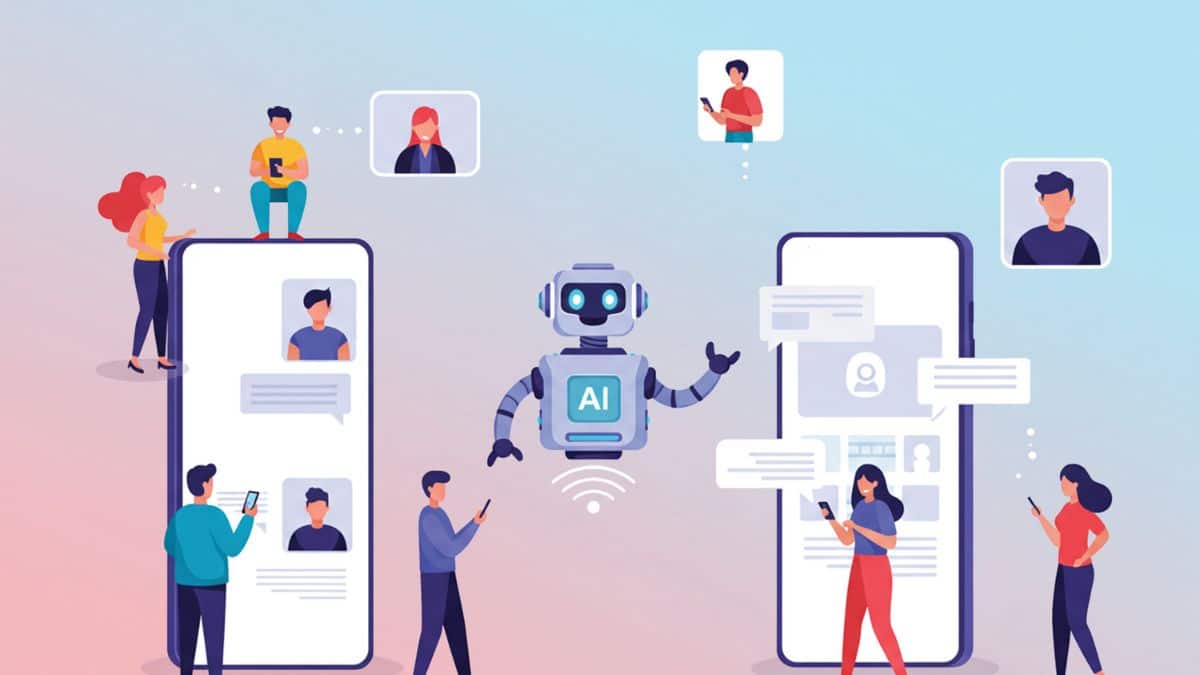
Curious about how artificial intelligence (AI) is changing the way we detect disease, manage chronic conditions, and improve public health? In this article, you’ll learn how AI for health is revolutionizing modern medicine—from early diagnosis and remote care to personalized treatment plans and public health forecasting. Whether you’re a healthcare professional, patient, or tech enthusiast, this guide will show you how AI is creating smarter, faster, and more accurate healthcare solutions that improve both outcomes and quality of life.
What Is AI for Health?
AI for health refers to the application of machine learning, data analysis, and automation in medical systems to support clinical decisions, patient care, diagnostics, and disease prevention.
Using massive datasets and predictive algorithms, AI can:
- Detect diseases earlier
- Customize treatment plans
- Improve diagnostic accuracy
- Support doctors with real-time recommendations
- Streamline healthcare operations and costs
How Is AI Used in Healthcare Today?
✅ Disease Diagnosis and Imaging
AI-powered systems like Google’s DeepMind and IBM Watson Health are now analyzing X-rays, MRIs, and CT scans with near-human accuracy. These tools detect cancers, fractures, and neurological disorders faster and more accurately than traditional methods.
✅ Predictive Analytics for Chronic Conditions
AI models can analyze patient history, lifestyle data, and genetics to predict risk for diseases like:
- Diabetes
- Heart disease
- Alzheimer’s
- Stroke
This allows for early intervention and prevention—potentially saving lives and reducing healthcare costs.
✅ Personalized Medicine
AI customizes treatment by analyzing a patient’s DNA, medical history, and real-time health data. This is especially effective in cancer care and pharmacogenomics (how genes affect drug response).
✅ Remote Monitoring and Virtual Health Assistants
AI powers wearable devices and mobile health apps that monitor:
- Heart rate
- Sleep patterns
- Blood oxygen
- Medication adherence
These tools provide real-time alerts, helping doctors remotely manage patients and detect complications early.
✅ Clinical Decision Support Systems (CDSS)
CDSS tools help doctors by offering evidence-based treatment options, drug interaction alerts, and predictive outcomes based on patient data.
What Are the Benefits of AI in Healthcare?
⏱️ Faster Diagnosis and Treatment
AI reduces the time it takes to diagnose diseases and create treatment plans, especially in emergency or critical care settings.
🎯 Higher Accuracy
AI models trained on millions of data points often outperform individual doctors in specific tasks, especially in medical imaging and pattern recognition.
💰 Cost Savings
AI automates administrative tasks, reduces human error, and helps optimize resources—potentially saving billions in healthcare spending.
👥 Improved Access and Equity
AI-powered telehealth and mobile health solutions expand care to underserved and rural populations, making healthcare more equitable.
What Are the Challenges of AI in Health?
Despite the benefits, challenges remain:
- Data Privacy and Security: Medical records must be protected under laws like HIPAA.
- Bias in AI Models: If training data is biased, AI may produce skewed results.
- Regulatory Hurdles: Approval from organizations like the FDA is slow and rigorous.
- Integration with Current Systems: Many healthcare providers lack the tech infrastructure to fully utilize AI.
Future Trends: What’s Next for AI in Health?
- AI-powered drug discovery will accelerate the development of new medications.
- Digital twins—virtual models of patients—may allow simulation-based testing for personalized treatments.
- Voice-assisted AI in hospitals and homes will enable hands-free health monitoring.
- Mental health AI tools will provide 24/7 support through conversational chatbots.
Final Thoughts
AI is rapidly becoming one of the most transformative forces in healthcare. From early disease detection and personalized treatment to remote monitoring and public health forecasting, AI for health empowers both patients and providers with smarter, more proactive, and more precise solutions.
While challenges like data privacy and ethical concerns must be addressed, the future of AI in healthcare looks promising—and it’s already reshaping how we approach health and wellness on a global scale.
🌿 Natural Daily Support for Men and Women
I like Divine Bounty supplements because they use natural ingredients instead of synthetic formulas. For people who want a cleaner option for everyday wellness support, Divine Bounty offers quality supplements designed to fit a healthy lifestyle.
Their lineup includes the popular Men’s Multivitamin, plus other supplements for men and women such as Vitamin B Complex, Digestive Enzymes, Berberine, Magnesium Citrate, Vitamin K2 + D3, and Acetyl L-Carnitine.
The Men’s Multivitamin features 24 essential vitamins and minerals plus 5 additional blends for men, all in convenient vegetarian capsules. It is also promoted as GMO free, soy free, dairy free, wheat free, and gluten free.
🛒 Shop Divine Bounty on AmazonSponsored by Terry Clark • Amazon Affiliate Partner