Estimated reading time: 5 minutes
Hydration Is More Than Just Drinking Water. Most people think hydration is simple: drink eight glasses of water a day and you’re covered. In reality, hydration is far more nuanced—and far more powerful—than that. Your body gets water not only from what you drink, but also from what you eat. In fact, 20–30% of your daily water intake can come from food, and in some diets, even more.
Understanding how hydration works, how food contributes to your water intake, and how to recognize dehydration and overhydration can dramatically improve your health, fitness performance, body composition, digestion, and even mental clarity.
Hydration isn’t just about avoiding thirst—it’s about optimizing your body.
Why Water Is Essential for Health and Fitness
Water makes up 50–70% of the human body, and nearly every system depends on it to function properly.
Key Roles of Water in the Body
1. Energy Production
Water is required for cellular respiration and ATP production. Dehydration reduces energy availability, making workouts feel harder and daily tasks more fatiguing.
2. Muscle Function and Strength
Muscle tissue is approximately 75% water. Even mild dehydration can reduce strength, endurance, and power output while increasing cramp risk.
3. Fat Loss and Metabolism
Water is required for lipolysis—the process of breaking down fat. Poor hydration slows metabolic processes and can increase hunger signals that mimic thirst.
4. Digestion and Nutrient Absorption
Water helps form saliva, stomach acid, and digestive enzymes. It also prevents constipation and improves gut motility.
5. Joint Health and Injury Prevention
Synovial fluid, which cushions joints, is largely water. Chronic dehydration increases joint stiffness and injury risk.
6. Temperature Regulation
Sweating and blood flow depend on adequate hydration. Without enough water, body temperature rises faster during exercise.
7. Cognitive Performance
Dehydration of just 1–2% can impair focus, memory, mood, and reaction time.
Bottom line: If your hydration is off, everything is off.
How Much Water Do You Actually Need?
There is no single number that fits everyone, but general guidelines include:
- Men: ~3.7 liters (125 oz) per day
- Women: ~2.7 liters (91 oz) per day
This includes all sources of water—food and beverages.
Your needs increase if you:
- Exercise regularly
- Sweat heavily
- Live in hot or dry climates
- Eat a high-protein or high-fiber diet
- Fast or restrict calories
Getting Water From the Foods You Eat
Many whole foods are naturally rich in water and can significantly contribute to hydration.
High-Water Foods (80–95% Water)
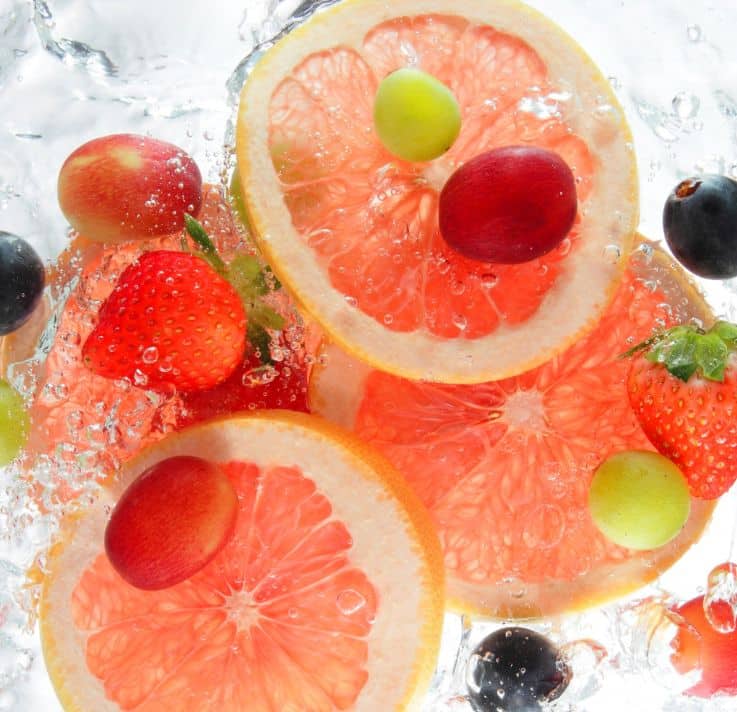
Fruits
- Watermelon (91%)
- Strawberries (91%)
- Oranges (86%)
- Grapefruit (88%)
- Pineapple (86)
- Apples (85%)
Vegetables
- Cucumber (96%)
- Lettuce (95%)
- Celery (95%)
- Zucchini (94%)
- Tomatoes (94%)
- Bell peppers (92%)
Eating fruits and vegetables doesn’t just hydrate you—it also provides electrolytes, antioxidants, and fiber that help your body retain and use water efficiently.
Moderate-Water Foods (60–80%)
- Yogurt
- Cottage cheese
- Oatmeal
- Cooked rice or quinoa
- Soups and stews
- Eggs
- Fish
Soups, especially broth-based ones, are hydration powerhouses because they combine water + sodium, improving fluid retention.
Hydration From Beverages (Beyond Plain Water)
Best Hydrating Drinks
1. Water
Still the gold standard—zero calories, fast absorption.
2. Herbal Teas
Caffeine-free teas contribute fully to hydration.
3. Milk
Contains water, sodium, potassium, and protein—excellent post-workout hydration.
4. Electrolyte Drinks (Low Sugar)
Helpful during intense exercise, heat exposure, or fasting.
5. Coffee and Tea
Contrary to myth, moderate caffeine intake does hydrate. The diuretic effect is minimal in habitual drinkers.
Drinks That Can Dehydrate You
- Alcohol (strong diuretic)
- Sugary sodas (increase fluid loss and insulin spikes)
- Excessive caffeine (very high doses)
Electrolytes: The Missing Piece of Hydration
Water alone doesn’t hydrate optimally—you also need electrolytes.
Key electrolytes include:
- Sodium
- Potassium
- Magnesium
- Calcium
Without electrolytes:
- Water passes through too quickly
- You urinate excessively
- Cells remain underhydrated
This is why people can drink “enough water” and still feel dehydrated.
Signs you may need electrolytes:
- Frequent urination
- Muscle cramps
- Headaches
- Fatigue despite high water intake
How to Tell If You’re Dehydrated
Early Signs of Dehydration
- Thirst
- Dry mouth or lips
- Dark yellow urine
- Reduced urine output
- Fatigue
- Headache
- Brain fog
Advanced Signs
- Dizziness
- Rapid heartbeat
- Muscle cramps
- Constipation
- Poor workout performance
- Low blood pressure
A simple rule:
Pale yellow urine = well hydrated
Dark yellow or amber = dehydrated
How to Tell If You’re Overhydrated
Yes, you can drink too much water.
Overhydration (Hyponatremia) Symptoms
- Clear urine all day
- Frequent urination (every 30–60 minutes)
- Headache
- Nausea
- Bloating
- Confusion
- Muscle weakness
Overhydration usually happens when people drink excessive water without electrolytes, especially during endurance exercise or fasting.
If you’re peeing constantly and still feel tired—you’re likely under-electrolyted, not under-hydrated.
Hydration Strategies for Fitness and Weight Loss
Daily Strategy
- Drink water consistently throughout the day
- Eat high-water fruits and vegetables
- Include sodium with meals
- Don’t wait until you’re thirsty
Pre-Workout
- 16–24 oz water 1–2 hours before training
- Add electrolytes if sweating heavily
During Workout
- Sip water for sessions under 60 minutes
- Add electrolytes for longer or intense sessions
Post-Workout
- Replace lost fluids gradually
- Include sodium and potassium
- Monitor urine color, not just thirst
Hydration and Hunger: The Overlooked Connection
Thirst is often mistaken for hunger.
Many people eat when their body is actually asking for water. Proper hydration:
- Reduces unnecessary snacking
- Improves appetite regulation
- Supports fat loss adherence
Before eating, try drinking water and waiting 10 minutes—this simple habit alone can reduce calorie intake.
Practical Example: A Hydrating Day of Eating
- Breakfast: Oatmeal with berries + coffee
- Lunch: Salad with cucumber, tomato, grilled chicken
- Snack: Greek yogurt and fruit
- Dinner: Soup, vegetables, lean protein
- Fluids: Water, herbal tea, electrolyte water
This approach can easily provide 30–40% of daily hydration from food alone.
Final Thoughts: Hydration Is a Performance Advantage
Hydration isn’t just about survival—it’s about optimization.
When hydration is dialed in:
- Workouts feel easier
- Recovery improves
- Hunger stabilizes
- Energy increases
- Cognitive function sharpens
The smartest approach isn’t obsessing over water bottles—it’s eating water-rich foods, balancing electrolytes, and listening to your body’s signals.
Hydration is not a rule—it’s a relationship. Learn it, and your health and fitness will level up fast.
Read Next…
- Water’s Role in Muscle Growth Explained
- How Drinking Coffee Every Day Affects Your Health and Fitness
- How Not Drinking Enough Water Damages Your Health
- How to Best Hydrate Muscles for Maximum Growth
- Hydration and Electrolyte Balance on Keto: Navigating the Waters of Ketosis
🌿 Natural Daily Support for Men and Women
I like Divine Bounty supplements because they use natural ingredients instead of synthetic formulas. For people who want a cleaner option for everyday wellness support, Divine Bounty offers quality supplements designed to fit a healthy lifestyle.
Their lineup includes the popular Men’s Multivitamin, plus other supplements for men and women such as Vitamin B Complex, Digestive Enzymes, Berberine, Magnesium Citrate, Vitamin K2 + D3, and Acetyl L-Carnitine.
The Men’s Multivitamin features 24 essential vitamins and minerals plus 5 additional blends for men, all in convenient vegetarian capsules. It is also promoted as GMO free, soy free, dairy free, wheat free, and gluten free.
🛒 Shop Divine Bounty on AmazonSponsored by Terry Clark • Amazon Affiliate Partner