
Estimated reading time: 8 minutes
In today’s fast-paced world, stress has woven itself into the fabric of daily life, impacting our health in numerous ways. Among the many consequences of chronic stress, weight gain is a significant issue that affects millions globally. Understanding the intricate relationship between stress and weight gain is crucial for those seeking to maintain a healthy lifestyle. This article will explore how stress influences our bodies, eating habits, and ultimately, our waistlines.
Stress can manifest in various forms, such as emotional, physical, and psychological stressors, each leaving its mark on our health. While short-term stress can sometimes be beneficial, providing a burst of energy and focus, chronic stress can lead to adverse health outcomes, including weight gain. The connection between stress and weight gain lies in the body’s physiological response, as well as behavioral changes that occur when stress is present.
By delving into the science behind stress and its impact on weight, we can equip ourselves with knowledge and tools to combat this common problem, including relaxation approaches such as aromatherapy hot stone massage. From understanding hormonal changes to exploring effective stress management techniques, this article aims to provide a comprehensive guide to tackling stress-induced weight gain.
The Science Behind Stress and Its Impact on the Body
Stress triggers a complex cascade of physiological responses designed to help the body cope with perceived threats. At the heart of this response is the activation of the hypothalamic-pituitary-adrenal (HPA) axis, which leads to the release of hormones such as adrenaline and cortisol. These hormones prepare the body for a “fight or flight” response, increasing heart rate and energy levels, while also modulating other bodily functions.
While beneficial in acute situations, chronic activation of the stress response can have detrimental effects on the body. Prolonged exposure to stress hormones, particularly cortisol, can lead to a variety of health issues, including increased appetite, cravings for high-calorie foods, and the accumulation of abdominal fat. This hormonal imbalance can disrupt normal metabolic processes, making it more challenging to maintain a healthy weight.
Understanding the science behind stress and its impact on the body is key to developing strategies for mitigating its effects, including supportive approaches like physical therapy exercises. By recognizing the physiological changes that occur during stress, you can better appreciate the importance of stress management techniques in maintaining your overall health and well-being.
How Stress Influences Eating Habits
Stress can significantly influence your eating habits, often leading to what is commonly known as “stress eating.” When you’re stressed, your body may crave comfort foods high in sugar and fat as a coping mechanism. These foods can temporarily boost mood by increasing serotonin levels, but they also contribute to weight gain when consumed in excess.
Moreover, stress can alter your perception of hunger and satiety. The stress hormone cortisol not only increases appetite but can also disrupt the signals that tell you when you’re full, leading to overeating. This hormonal imbalance may cause you to seek out larger portions or frequent snacks, further contributing to weight gain.
Understanding how stress influences eating habits is crucial for developing healthier coping strategies. By recognizing the triggers and patterns of stress-induced eating, you can take steps to make more mindful food choices, ensuring that your nutritional needs are met without overindulging in comfort foods.
The Role of Cortisol in Weight Gain
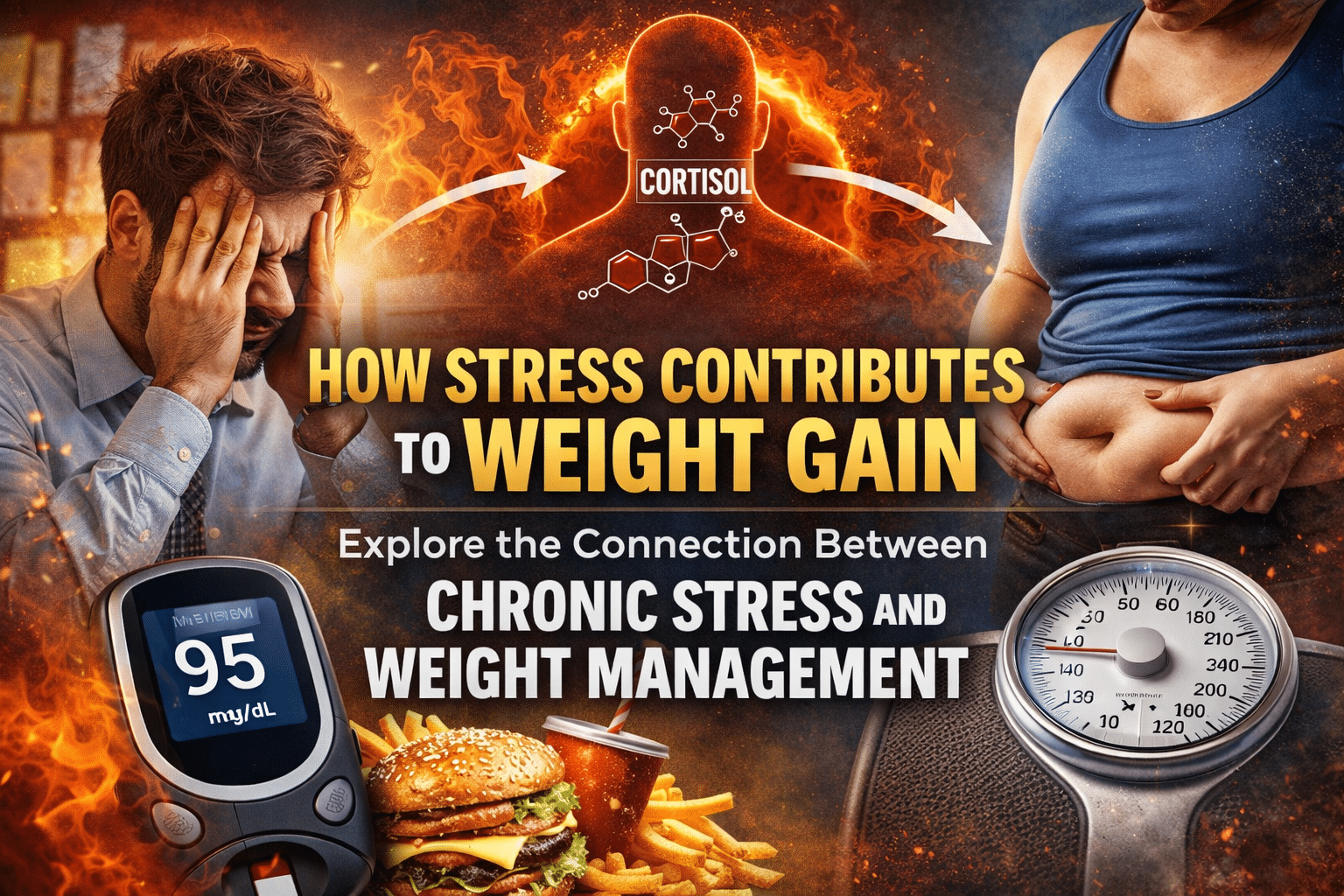
Cortisol, often referred to as the “stress hormone,” plays a pivotal role in the connection between stress and weight gain. When you’re stressed, your body releases cortisol to help manage the situation. However, chronic stress leads to prolonged cortisol production, which can promote weight gain in several ways.
First, elevated cortisol levels increase appetite and cravings for calorie-dense foods, particularly those high in sugar and fat. These foods provide quick energy, which your body craves during stressful times, but they also contribute to weight gain when consumed regularly. Additionally, cortisol encourages the storage of fat, particularly in the abdominal region, increasing the risk of metabolic disorders.
Furthermore, cortisol can interfere with your body’s ability to process carbohydrates and fats effectively. This disruption can lead to insulin resistance, a condition that makes it more challenging to control blood sugar levels and manage weight. By understanding the role of cortisol in weight gain, you can take proactive steps to manage stress and its impact on your health.
Emotional Eating: Understanding the Link Between Stress and Food Choices
Emotional eating is a common response to stress, where individuals turn to food for comfort rather than nourishment. This behavior often involves eating in response to emotions such as anxiety, sadness, or boredom, rather than actual hunger. While emotional eating can temporarily alleviate stress, it often leads to feelings of guilt and dissatisfaction, exacerbating the cycle of stress and overeating.
Identifying the triggers of emotional eating is the first step in breaking the pattern. These triggers can vary from person to person, including work pressures, relationship issues, or financial concerns. By recognizing these triggers, you can develop healthier coping mechanisms that don’t involve food, such as exercise, meditation, or engaging in a hobby.
Developing a mindful approach to eating can also help combat emotional eating. This involves paying attention to your body’s hunger cues and eating with intention, focusing on the flavors and textures of your food. By practicing mindful eating, you can better distinguish between emotional and physical hunger, helping you make more informed food choices.
Stress Management Techniques to Combat Weight Gain
Effectively managing stress is essential for preventing stress-induced weight gain. Implementing stress management techniques can help regulate cortisol levels, reduce cravings, and improve overall well-being. Here are some strategies to consider:
- Mindfulness and Meditation: Practicing mindfulness and meditation can help calm the mind, reduce stress, and improve focus. These practices encourage you to stay present, reducing the tendency to dwell on stressful thoughts or situations.
- Deep Breathing Exercises: Deep breathing can activate the body’s relaxation response, lowering cortisol levels and promoting a sense of calm. Incorporating deep breathing exercises into your daily routine can help manage stress effectively.
- Time Management: Organizing your schedule and setting priorities can help reduce the sense of being overwhelmed. By managing your time effectively, you can allocate periods for relaxation and self-care, reducing stress levels.
By incorporating these techniques into your daily routine, you can better manage stress and its impact on your weight. Remember, finding the right stress management strategy may take time, so be patient and open to trying different approaches.
The Importance of Sleep in Stress Management and Weight Control
Sleep is a crucial component of both stress management and weight control. When you’re sleep-deprived, your body produces more cortisol, exacerbating stress and increasing the likelihood of weight gain. Furthermore, lack of sleep can disrupt the balance of hunger hormones, leading to increased appetite and cravings for unhealthy foods.
Quality sleep also plays a vital role in regulating metabolism and maintaining a healthy weight. During sleep, your body repairs and rejuvenates itself, ensuring that metabolic processes function optimally. Without adequate rest, these processes can become disrupted, making it more challenging to manage weight effectively.
To improve sleep quality, consider establishing a consistent sleep schedule, creating a relaxing bedtime routine, and minimizing exposure to screens before bed. By prioritizing sleep, you can support your body’s stress management efforts and maintain better control over your weight.
Exercise as a Stress Reliever and Weight Management Tool
Exercise is a powerful tool for managing stress and controlling weight. Physical activity releases endorphins, the body’s natural mood enhancers, which help reduce stress and improve mental well-being. Regular exercise can also lower cortisol levels, making it easier to manage stress and prevent stress-induced weight gain.
In addition to its stress-relieving benefits, exercise plays a crucial role in weight management. It helps burn calories, build muscle, and boost metabolism, all of which contribute to maintaining a healthy weight. Whether it’s through aerobic activities, strength training, or yoga, incorporating regular exercise into your routine can help you achieve your fitness and wellness goals.
Consider finding an activity you enjoy, as this will increase the likelihood of sticking to your exercise routine. Whether it’s dancing, hiking, or playing a sport, engaging in physical activities that bring you joy will make it easier to manage stress and maintain a healthy weight.
Seeking Professional Help: When Stress Becomes Overwhelming
While stress is a normal part of life, it can become overwhelming and challenging to manage on your own. If you find that stress is significantly impacting your daily life, relationships, or health, it may be time to seek professional help. Mental health professionals, such as therapists or counselors, can provide guidance and support in developing effective stress management strategies.
Therapy can offer a safe space to explore the root causes of your stress and develop coping mechanisms tailored to your needs. Cognitive-behavioral therapy (CBT), for example, can help you identify and change negative thought patterns that contribute to stress and weight gain.
Additionally, seeking support from a registered dietitian or nutritionist can help you develop a balanced eating plan that addresses your unique needs and challenges. By working with professionals, you can gain valuable insights and tools for managing stress and achieving your health goals.
Conclusion: Embracing a Holistic Approach to Stress and Weight Management
Addressing the connection between stress and weight gain requires a holistic approach that encompasses both physical and mental well-being. By understanding the science behind stress and its impact on your body, you can develop effective strategies for managing stress and preventing weight gain.
From implementing stress management techniques to prioritizing sleep and exercise, each component plays a vital role in maintaining a healthy lifestyle. Remember that seeking professional help when needed is a sign of strength and a valuable step toward achieving your health goals.
As you navigate the challenges of stress and weight management, embrace a compassionate and patient attitude toward yourself. By taking a proactive approach and making mindful choices, you can create a healthier, more balanced life.
Read Next…
- Sleep Deficiency: A Roadblock to Weight Loss and Muscle Building
- Fat Loss Hormones – How To Use These Five To Lose Weight
- Faith and Fitness: The Results Will Surprise You
- 7 Reasons Why Your Muscles Stop Growing as a Lifestyle Bodybuilder
- How Does Stress Affect Your Muscle Growth and Strength Training
🌿 Natural Daily Support for Men and Women
I like Divine Bounty supplements because they use natural ingredients instead of synthetic formulas. For people who want a cleaner option for everyday wellness support, Divine Bounty offers quality supplements designed to fit a healthy lifestyle.
Their lineup includes the popular Men’s Multivitamin, plus other supplements for men and women such as Vitamin B Complex, Digestive Enzymes, Berberine, Magnesium Citrate, Vitamin K2 + D3, and Acetyl L-Carnitine.
The Men’s Multivitamin features 24 essential vitamins and minerals plus 5 additional blends for men, all in convenient vegetarian capsules. It is also promoted as GMO free, soy free, dairy free, wheat free, and gluten free.
🛒 Shop Divine Bounty on AmazonSponsored by Terry Clark • Amazon Affiliate Partner