Estimated reading time: 8 minutes
Christian adults trying to improve strength, mobility, or stamina at home often hit the same wall in home wellness room design: the space meant for care starts to feel like pressure. A faith-based fitness space can quietly turn into clutter, unfinished intentions, or a corner that carries guilt instead of renewal. Many homes don’t have an extra room, so the real struggle becomes building spiritual wellbeing into a shared area that still works for everyday life. A calmer, multipurpose wellness space can support consistent movement and a steady heart.
Understanding a Flexible Wellness Space
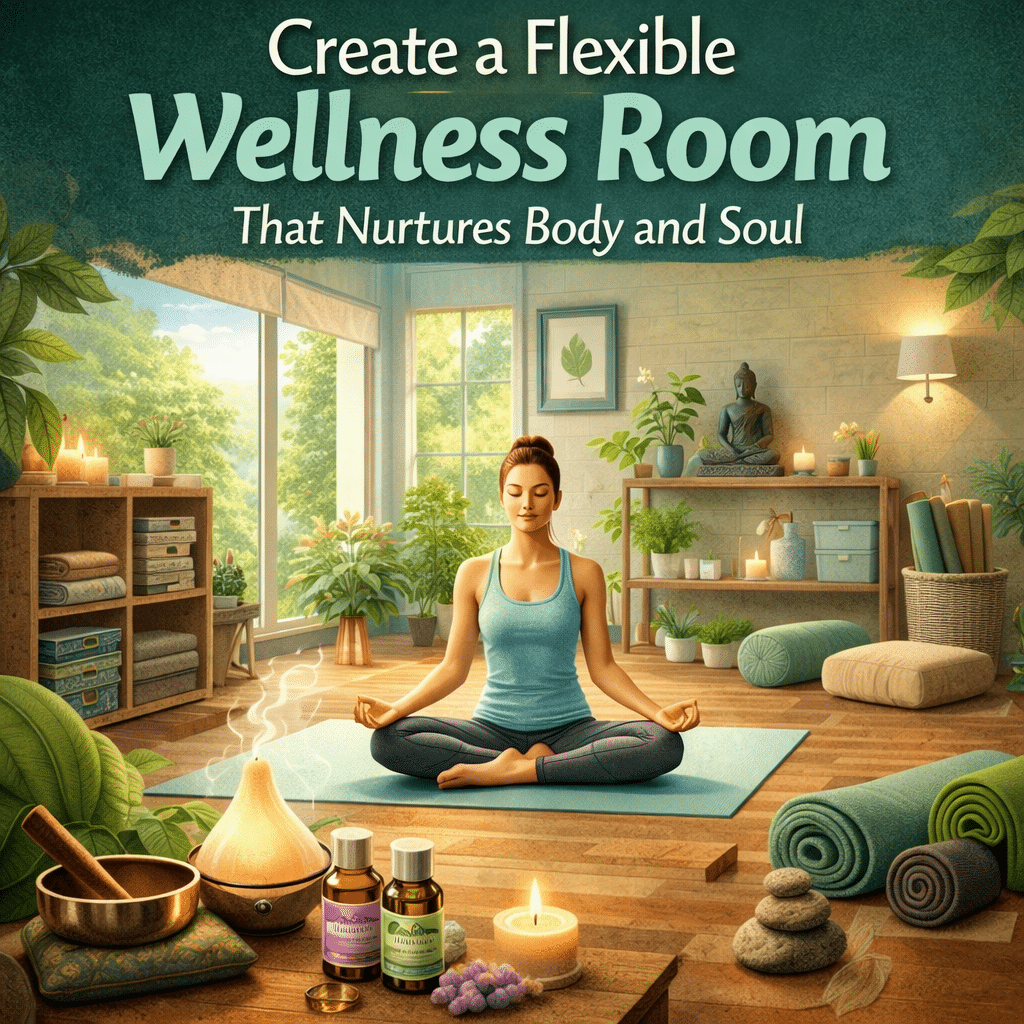
A flexible wellness area is one spot in your home that can shift between movement, prayer, and rest without feeling like competing priorities. Instead of separating “workout space” from “quiet time,” the room supports integrated fitness and faith, so your body and soul are cared for in the same rhythm. That fits the idea that faith-based fitness recognizes a spiritual component to physical health.
This matters because consistency grows when the room feels welcoming, not demanding. When your space makes room for recovery and reflection, you are more likely to return even on tired days. Over time, small habits can align with goals that nourish both body and spirit.
Picture a spare corner with a mat, a resistance band, and a small chair by a lamp. You finish a short strength set, then sit, breathe, and pray through a verse before stretching. The setup feels like an exhale, not a scoreboard.
With the purpose clear, layout and storage choices get simpler and calmer.
Use This 4-Part Plan: Layout, Storage, Light, Materials
A flexible wellness room doesn’t have to be big or expensive, it just needs to support your real rhythm: movement, recovery, and a quiet place to meet with God. Here’s a simple four-part plan I use to keep the space calm, safe, and ready for whatever today’s workout (or devotion) requires.
- Map your wellness room layout with “zones,” not furniture: Start by clearing the room and marking three zones with painter’s tape: a sweat zone (HIIT/treadmill), a stretch zone (floor work), and a stillness zone (prayer/reading). Keep at least one open rectangle of floor space where you can lie down fully, this becomes your non-negotiable “mat area.” A key space optimization tip is to prioritize versatile spaces so the same square footage can serve “varying activities” without constant rearranging.
- Anchor the room with one “home base” wall: Choose one wall for your largest items (treadmill, bench, mirror, or a small chair for devotion). Keeping the bulky pieces on one side protects the open center for bodyweight circuits, stretching, and worship music time. If your treadmill feels like it dominates the room, angle it slightly so the walking view faces light or something peaceful, not a clutter pile.
- Build clutter-free storage solutions around your routine: Give every category a “one-step home”: a bin for bands, a basket for towels, a hook for jump rope, and a small tray for earbuds/water. If you do devotional fitness, add a slim basket for your Bible, journal, and pen so they’re never buried under resistance bands. The goal is a two-minute reset: if you can restore the room in 120 seconds, you’ll use it more often.
- Use lighting like a volume knob, bright for training, soft for recovery: In the daytime, prioritize natural lighting design by keeping window areas clear and using light curtains that still give privacy. At night, swap harsh overhead glare for a lamp or overhead fixture with dimmable lighting so your body can shift from “go mode” to “rest mode” after exercise. A simple rule: brighter for form-focused work (strength/HIIT), softer for stretching, breath prayer, and cooldown.
- Choose versatile materials for wellness space that clean fast and feel safe: Think “wipeable + non-slip.” Use a washable rug or mat under sweat-prone zones, and pick storage that can handle moisture (plastic, sealed wood, or metal) instead of fabric bins that absorb odors. If you’re painting, choose a finish that can be wiped down, because scuffs happen when faith meets burpees.
- Keep one “Sabbath corner” intentionally simple: Set out a chair cushion or floor pillow, a small side surface, and one meaningful item, like a verse card or candle (used safely). This keeps the room from becoming only a gym and supports the holistic priorities you’re building: body care and soul care. When the space feels peaceful, you’re more likely to show up even on low-motivation days.
When your layout, storage, light, and materials work together, the room stays flexible instead of fussy, and you’ll also spot practical comfort questions early, like airflow, temperature swings, or noise that might need a simple fix.
Wellness Room Q&A for Body and Soul
A few common concerns come up when you start planning your space.
Q: How can I design a multipurpose wellness room that balances fitness, recovery, and relaxation without it feeling cluttered?
A: Choose a simple “less but better” approach: only keep tools that support your current routine, not your fantasy routine. Make one open floor area the priority, then use a small number of movable items like a mat, a folding bench, or a floor cushion. A calm room comes from clear surfaces and clear pathways, so your body and mind can settle quickly.
Q: What are the best layout and storage ideas to maximize space for a flexible home wellness area?
A: Place larger equipment along one wall, then keep the center free so the room can change from strength work to stretching in seconds. Use vertical storage like shelves, hooks, and a slim rolling cart to keep small gear off the floor. Give faith items their own home too, like a dedicated basket for a Bible, journal, and pen.
Q: How do lighting and material choices impact the atmosphere and functionality of a home wellness space?
A: Bright, even light helps you train safely, while softer light supports breathwork, prayer, and recovery when your nervous system needs to downshift. For materials, prioritize non-slip and wipeable surfaces so sweat does not become stress. If airflow or temperature swings distract you, check vents and filters first, and if a system repair becomes part of the project, you can learn more here as you browse options after you identify the failing component to help you plan next steps.
Q: In what ways can creating a wellness room support my long-term physical and mental well-being within a faith-centered lifestyle?
A: A set-apart space reduces decision fatigue and makes consistency easier, especially on low-motivation days. It also becomes a gentle reminder that caring for your body can be an act of stewardship, not vanity. The idea of spiritual readiness fits here because your environment can reinforce your values and resilience.
Q: If I am considering using a remodeling service to create my wellness space, what steps should I take to ensure it supports my fitness and spiritual goals?
A: Start by writing a short “purpose statement” for the room, naming both movement goals and spiritual practices you want it to serve. Bring a simple list of non-negotiables to your consult, such as open floor space, quiet acoustics, safe flooring, and lighting control. Ask for a plan that reduces visual noise with built-in storage and leaves room for a prayer chair or reading corner.
Keep it simple, keep it holy, and let the room invite you to show up.
Habits That Keep Your Wellness Room Alive
Start with a few rhythms you can repeat.
A wellness room becomes nurturing when you return to it with simple, faith-filled patterns, not pressure. These habits help Christian adults connect movement to stewardship, so your routines stay steady even when motivation dips.
Doorway Dedication
- What it is: Pause at the door and offer a one-sentence prayer for strength and humility.
- How often: Daily.
- Why it helps: It shifts your focus from performance to worshipful stewardship.
Devotional Warm-Up
- What it is: Do five minutes of gentle movement while reflecting on one verse.
- How often: 3 to 5 days weekly.
- Why it helps: Research notes positive effects when faith practices support activity.
Three-Tool Training
- What it is: Use only three items for the session and put them away immediately.
- How often: Every workout.
- Why it helps: Less visual noise makes it easier to begin next time.
Prayerful Cool-Down
- What it is: Stretch slowly and name three gratitude points while breathing deeply.
- How often: After each session.
- Why it helps: It helps your body downshift and your heart stay tender.
Weekly Sabbath Reset
- What it is: Tidy, wipe surfaces, and choose next week’s focus in your journal.
- How often: Weekly.
- Why it helps: A reset keeps the room ready for real life.
Pick one habit this week, then shape it around your family’s pace.
Begin Your Faith-Focused Wellness Sanctuary With One Small Step
It’s easy to feel stuck between wanting better health and not knowing where to start at home. A steady, prayerful approach, simple design choices paired with consistent, faith-filled habits, builds confidence in home wellness design without pressure to do it all at once. Over time, transformative wellness remodeling brings real physical and spiritual health benefits, turning a spare corner into an inspiring home fitness journey that strengthens both body and soul. Start small, stay faithful, and let God grow what you begin. Clear one corner today, sketch your layout, or choose one item that supports creating a faith-focused wellness sanctuary. These small steps matter because they form a stable rhythm of care that helps you show up with strength and peace for the people you love.
Read Next…
- Designing a Flexible Home Wellness Space for Training, Recovery, and Quiet Use
- Learning to Live Again: Navigating a New Life with Chronic Pain
- 4 Ways To Make Your Gym More Family-Friendly
- Day 17 of My Weight Loss Challenge: Overcoming Sleep Challenges and Staying Flexible
- Why Spiritual Fitness Matters Just as Much as Physical Fitness
🌿 Natural Daily Support for Men and Women
I like Divine Bounty supplements because they use natural ingredients instead of synthetic formulas. For people who want a cleaner option for everyday wellness support, Divine Bounty offers quality supplements designed to fit a healthy lifestyle.
Their lineup includes the popular Men’s Multivitamin, plus other supplements for men and women such as Vitamin B Complex, Digestive Enzymes, Berberine, Magnesium Citrate, Vitamin K2 + D3, and Acetyl L-Carnitine.
The Men’s Multivitamin features 24 essential vitamins and minerals plus 5 additional blends for men, all in convenient vegetarian capsules. It is also promoted as GMO free, soy free, dairy free, wheat free, and gluten free.
🛒 Shop Divine Bounty on AmazonSponsored by Terry Clark • Amazon Affiliate Partner