
Estimated reading time: 6 minutes
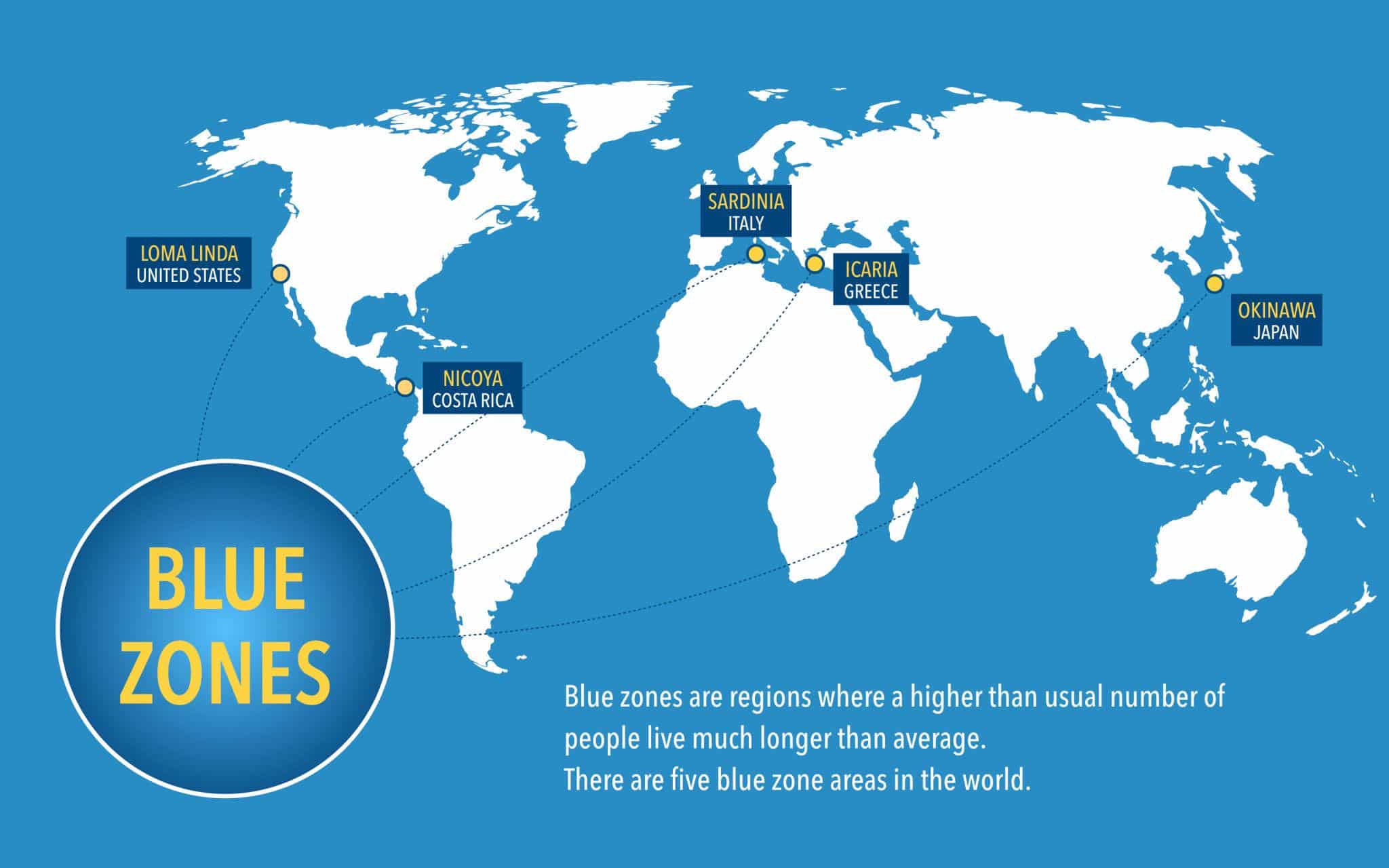
How Simple Daily Choices Lead to Longer, Healthier Lives. Around the world, there are a handful of regions where people routinely live into their 90s and 100s—not just surviving, but thriving with energy, mobility, and mental clarity. These regions are known as the Blue Zones, and they include Okinawa, Sardinia, Ikaria, Nicoya Peninsula, and Loma Linda.
What makes these places special isn’t advanced medicine, extreme fitness programs, or expensive supplements. Instead, longevity in the Blue Zones is built on consistent habits, embedded into everyday life. These habits quietly shape metabolism, hormones, cardiovascular health, mental well-being, and resilience over decades.
Below are the most common habits shared by Blue Zone populations, and why they work so well for long-term health and vitality.
1. They Move Naturally All Day (Not Just in the Gym)
People in the Blue Zones don’t “work out” the way modern society does. Instead, movement is built into their environment.
They walk to visit neighbors, garden daily, cook meals from scratch, carry groceries, climb hills, and spend time outdoors. This constant, low-intensity movement—often called NEAT (Non-Exercise Activity Thermogenesis)—keeps muscles active, joints lubricated, and insulin sensitivity high.
Why it matters:
- Improves blood sugar control
- Preserves muscle and bone density with age
- Reduces chronic inflammation
- Lowers cardiovascular disease risk
The key is frequency over intensity. Small movements done daily outperform sporadic intense workouts for longevity.
2. They Eat Mostly Real, Whole Foods
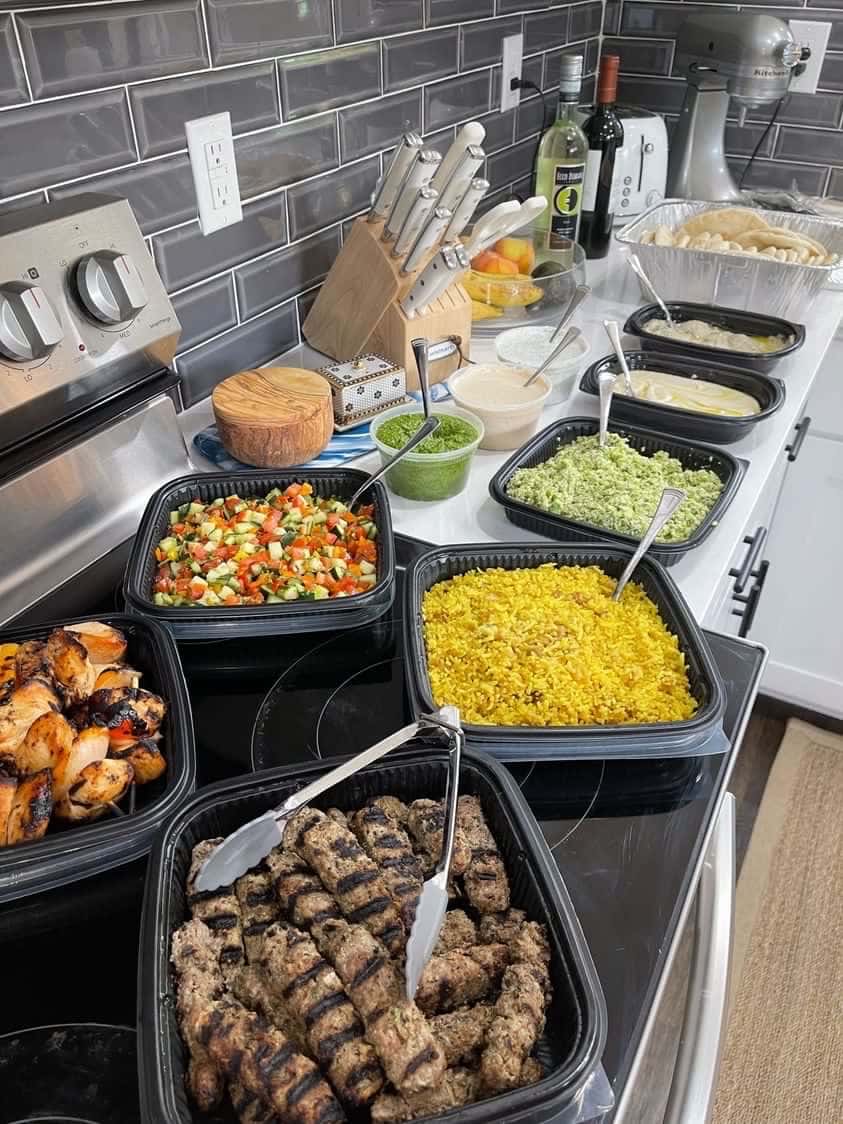
Across every Blue Zone, diets are based on foods that were once alive. Meals are simple, seasonal, and minimally processed.
Common staples include:
- Vegetables and leafy greens
- Beans and legumes
- Whole grains and tubers
- Nuts and seeds
- Fruit (in moderation)
- Olive oil or other natural fats
Animal foods are present but typically consumed sparingly, often as a side dish rather than the main event.
Why it matters:
- Higher fiber intake supports gut health
- Antioxidants reduce cellular damage
- Lower calorie density helps prevent overeating
- Reduced ultra-processed foods lower metabolic stress
This way of eating naturally controls calories without strict dieting.
3. They Stop Eating Before They’re Full
In Okinawa, there’s a cultural principle called “Hara Hachi Bu”, meaning eat until you are about 80% full. Other Blue Zones follow similar patterns without naming it.
Meals are eaten slowly, socially, and without distraction. People listen to hunger and fullness cues rather than eating until stuffed.
Why it matters:
- Reduces chronic calorie overload
- Improves insulin sensitivity
- Supports healthy body composition
- Activates cellular repair pathways associated with longevity
This habit mimics many benefits of intermittent fasting—without structured fasting rules.

4. They Prioritize Community and Social Connection
Longevity isn’t just biological—it’s social.
Blue Zone populations are deeply connected to:
- Family
- Neighbors
- Faith-based or spiritual communities
- Multigenerational households
Older adults are respected, included, and given purpose rather than isolated.
Why it matters:
- Reduces stress hormones like cortisol
- Lowers rates of depression and anxiety
- Improves immune function
- Encourages healthier behaviors through accountability
Strong relationships are one of the most powerful predictors of long life.
5. They Have a Clear Sense of Purpose
In Okinawa it’s called Ikigai. In Nicoya it’s known as Plan de Vida. Different words, same idea: a reason to wake up each morning.
This purpose might be:
- Caring for grandchildren
- Growing food
- Teaching skills
- Serving the community
- Faith or spiritual practice
Why it matters:
- Reduces stress and burnout
- Improves mental resilience
- Associated with lower mortality risk
- Encourages healthier daily choices
Purpose gives life structure and direction—even in old age.

6. They Manage Stress Daily (Not Occasionally)
Stress exists everywhere—but Blue Zone residents release it regularly.
Common stress-reducing practices include:
- Afternoon naps (Ikaria)
- Prayer or meditation (Loma Linda)
- Socializing and laughter
- Walking outdoors
- Unhurried meals
Instead of letting stress accumulate, they reset daily.
Why it matters:
- Prevents chronic inflammation
- Protects heart and brain health
- Improves sleep quality
- Balances hormones
Longevity isn’t about eliminating stress—it’s about recovering from it consistently.
5
7. They Sleep in Sync With Nature
Blue Zone populations tend to:
- Wake with sunlight
- Go to bed earlier
- Nap when needed
- Spend more time outdoors during the day
Artificial light exposure at night is minimal, supporting natural circadian rhythms.
Why it matters:
- Improves hormone regulation
- Supports metabolism and fat loss
- Enhances immune repair
- Preserves cognitive function
Quality sleep is one of the strongest anti-aging tools available—and it’s free.
8. They Drink Alcohol Moderately (or Not at All)
This is often misunderstood. In some Blue Zones, especially Sardinia and Ikaria, people drink small amounts of wine, usually with meals and friends. In Loma Linda, many abstain completely.
The pattern is consistent:
- No binge drinking
- Alcohol is social, not escapist
- Often paired with food
Why it matters:
- Prevents liver and metabolic damage
- Avoids sleep disruption
- Supports heart health when done moderately
It’s the context, not the alcohol itself, that matters.
9. They Live in Environments That Support Health
Blue Zones aren’t built around convenience—they’re built around effort.
Examples:
- Hills instead of escalators
- Gardens instead of grocery stores
- Small kitchens that discourage overeating
- Walkable communities
Healthy choices are the default, not the exception.
Why it matters:
- Reduces reliance on willpower
- Encourages movement without thinking
- Shapes habits automatically over time
Environment beats motivation every time.
10. They Play the Long Game
Perhaps the most important habit of all: they don’t rush results.
There’s no obsession with:
- Rapid weight loss
- Extreme fitness challenges
- Biohacking trends
- Perfection
Health is built slowly, consistently, and sustainably over decades.
Why it matters:
- Prevents burnout and injury
- Encourages lifelong adherence
- Supports mental peace and balance
Longevity is a lifestyle—not a program.
Final Thoughts: Longevity Is Ordinary, Not Extreme
The biggest lesson from the Blue Zones is this:
Long, healthy lives are built from boring, repeatable habits done daily.
No single supplement, workout, or diet can compete with:
- Daily movement
- Real food
- Strong relationships
- Purposeful living
- Rest and recovery
You don’t need to move to a Blue Zone to live like one. You can start by shaping your environment, routines, and priorities today.
Longevity isn’t about adding years to life—it’s about adding life to your years.
Read Next…
🌿 Natural Daily Support for Men and Women
I like Divine Bounty supplements because they use natural ingredients instead of synthetic formulas. For people who want a cleaner option for everyday wellness support, Divine Bounty offers quality supplements designed to fit a healthy lifestyle.
Their lineup includes the popular Men’s Multivitamin, plus other supplements for men and women such as Vitamin B Complex, Digestive Enzymes, Berberine, Magnesium Citrate, Vitamin K2 + D3, and Acetyl L-Carnitine.
The Men’s Multivitamin features 24 essential vitamins and minerals plus 5 additional blends for men, all in convenient vegetarian capsules. It is also promoted as GMO free, soy free, dairy free, wheat free, and gluten free.
🛒 Shop Divine Bounty on AmazonSponsored by Terry Clark • Amazon Affiliate Partner